
The landscape of medical device manufacturing is undergoing a radical transformation. As devices shrink and 'smart' functionality becomes the baseline, traditional assembly methods are being pushed to their limits. In this article, we examine the strategic shift toward sophisticated box build and turnkey solutions designed to meet the rigorous demands of modern healthcare innovation.
The Miniaturization Revolution in MedTech
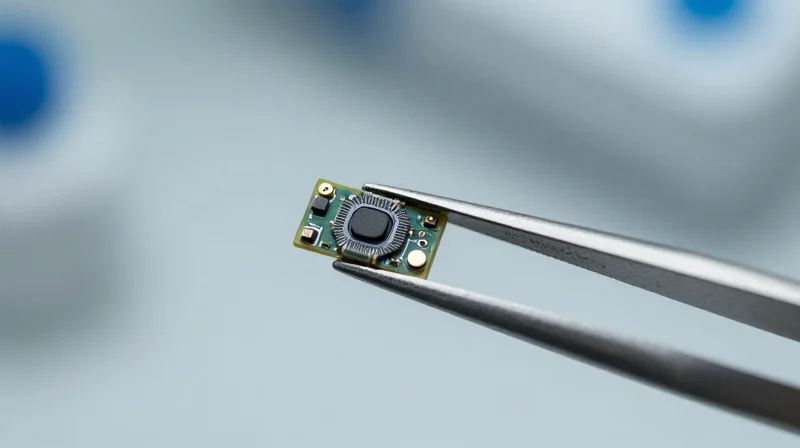
The Engineering Challenge of Shrinking Footprints
As medical devices migrate from hospital-bound equipment to wearable, patient-centric technology, manufacturers face the dual challenge of increasing functional density while maintaining strict regulatory compliance. The integration of high-performance integrated circuits (ICs) into sub-millimeter enclosures has transformed the assembly line from a standard mechanical process into a high-stakes micro-engineering environment.
Manufacturing Demands for Precision Assembly
The transition to miniaturized components necessitates a complete overhaul of traditional box build methodologies. Cleanroom requirements have become more stringent to prevent micro-contamination, while robotic pick-and-place systems now operate at tolerances once reserved for semiconductor fabrication.
| Feature | Legacy Approach | Modern Miniaturized Approach |
|---|---|---|
| Assembly Tolerance | Millimeter scale | Micron scale |
| Component Mounting | Manual or semi-auto | Automated vision-guided robotics |
| Inspection | Manual visual check | Automated Optical Inspection (AOI) & X-ray |
| Cleanroom Class | ISO 8 | ISO 5 to ISO 7 |
Frequently Asked Questions on Miniaturization
- How does miniaturization impact packaging integrity?
Smaller devices are more susceptible to environmental factors like humidity and thermal expansion, requiring advanced hermetic sealing techniques and specialized barrier packaging materials. - Why is precision in box build critical for wearable sensors?
Precision ensures that the sensor maintains consistent contact and signal integrity; even a microscopic deviation in component placement can lead to inaccurate physiological data collection. - Does miniaturization increase assembly costs?
While capital expenditure for high-precision equipment is higher, the long-term gains in device functionality and the reduction of manual labor through automation often lead to improved economies of scale.
Challenges of Traditional In-House Manufacturing
The Hidden Costs of Vertical Integration
While maintaining complete control over manufacturing processes was once the gold standard, the model has become increasingly brittle. The capital expenditure required to maintain cutting-edge, cleanroom-compliant production lines often traps manufacturers in legacy technology cycles. As medical devices evolve toward integrated electronic systems and complex box builds, the burden of maintaining diverse, specialized talent and localized supply chains creates significant margin compression.
Comparative Analysis: In-House vs. Outsourced Models
| Challenge | In-House Model | Modern Outsourced Trend |
|---|---|---|
| Capital Expenditure | High: Requires constant equipment updates. | Low: CapEx shifted to contract partners. |
| Scalability | Rigid: Limited by existing footprint. | Flexible: Rapid ramp-up capability. |
| Quality Oversight | Direct: Full control but high internal burden. | Systemic: ISO 13485 oversight and audits. |
| Time-to-Market | Slow: Bottlenecked by internal resources. | Accelerated: Specialized external workflows. |
Key Operational Bottlenecks
- Why do in-house teams struggle with scaling?
Scaling requires sudden influxes of capital and labor that often exceed the typical operational capacity of internal teams, leading to delayed product launches. - How does regulatory compliance impact production?
Managing ongoing ISO 13485 audits and FDA validation requirements in-house demands a disproportionate amount of senior management focus, diverting attention from core R&D. - What is the impact of supply chain fragmentation?
Legacy models often rely on a siloed approach to box build, causing delays when electronic assembly and final packaging suppliers are not tightly synchronized.
The transition toward box build and outsourced packaging is not merely a cost-saving measure; it is a strategic repositioning. By offloading the physical assembly complexity, firms can focus on software, proprietary sensors, and clinical validation—the true value drivers in the modern medtech landscape.
The Rise of Turnkey Box Build Solutions

Defining the Turnkey Box Build Model
The turnkey box build model involves transferring the responsibility of complete system integration from the original equipment manufacturer (OEM) to a strategic manufacturing partner. Instead of managing fragmented supply chains, OEMs now leverage specialized providers who handle everything from PCB assembly (PCBA) and mechanical fabrication to final device configuration, testing, and regulatory-compliant packaging. This holistic approach minimizes hand-offs and ensures the final product is ship-ready upon leaving the facility.
Why Turnkey is the Preferred Strategy for MedTech OEMs
In the highly regulated medical device sector, speed and quality are constant tension points. The transition to turnkey solutions is driven by a need to reduce operational complexity and shift internal focus toward high-value activities like R&D and clinical validation.
| Attribute | Legacy Model | Turnkey Box Build |
|---|---|---|
| Supply Chain | Fragmented/Multi-vendor | Consolidated/Single point |
| Scalability | Low/Fixed | High/Variable |
| Lead Times | Extended | Compressed |
| Regulatory Risk | High (Distributed) | Low (Integrated QA) |
Strategic Advantages in Accelerated Markets
- Does a turnkey approach improve quality control?
Yes, by integrating testing and calibration directly into the assembly line, turnkey providers identify defects earlier, ensuring higher yields and consistent regulatory compliance. - How does this model accelerate time-to-market?
Turnkey providers utilize concurrent engineering, allowing assembly processes to be refined while components are still being sourced, drastically reducing the total product development lifecycle. - What is the primary financial benefit?
It allows OEMs to convert fixed manufacturing overhead into variable costs, allowing for better capital allocation and reduced risk associated with market fluctuations.
Prioritizing Compliance and Regulatory Standards
The Mandate for Compliance in Box Build Services
In the context of complex box build assembly, regulatory compliance cannot be an afterthought; it must be deeply integrated into the manufacturing lifecycle. Medical device OEMs are increasingly shifting away from purely internal production to specialized partners who embed ISO 13485 standards and FDA 21 CFR Part 820 requirements directly into their assembly and packaging workflows. This proactive approach ensures that every integration point, from micro-electronics to final sterility-barrier packaging, meets the stringent safety thresholds required for clinical deployment.
Key Regulatory Frameworks
| Standard | Primary Focus | Impact on Manufacturing |
|---|---|---|
| ISO 13485 | Quality Management Systems | Ensures consistent design, development, and production. |
| FDA 21 CFR 820 | Current Good Manufacturing Practice | Mandates strict documentation and process validation. |
| ISO 11607 | Terminally Sterilized Packaging | Guarantees integrity of sterile barrier systems. |
Frequently Asked Questions
- How does outsourcing box build affect FDA traceability?
A qualified manufacturing partner maintains a rigorous Device History Record (DHR) system, providing comprehensive traceability for every component integrated into the final assembly. - Why is packaging considered a critical component of regulatory compliance?
Packaging is not just a container; it is an active medical device component that must maintain sterility and product integrity throughout the supply chain, as validated by ISO 11607 testing. - What role does process validation play in box builds?
Process validation confirms that assembly procedures consistently yield products meeting predefined specifications, mitigating risks associated with human error or equipment drift.
Supply Chain Resilience and Global Procurement

Building Resilience Through Strategic Sourcing
Medical device manufacturers are increasingly moving away from lean-only supply chains toward resilience-focused strategies to mitigate the impact of global disruptions. By integrating multi-sourcing and regional supplier networks, OEMs can reduce dependency on single geographies, ensuring that box build assembly and critical component procurement remain uninterrupted during geopolitical or logistical crises.
Comparing Sourcing Strategies
| Strategy | Primary Benefit | Risk Profile |
|---|---|---|
| Single Sourcing | Economies of scale | High vulnerability |
| Multi-Sourcing | Risk mitigation | Increased complexity |
| Regional Sourcing | Reduced lead times | Higher material costs |
Enhancing Supply Chain Visibility
True resilience requires real-time data transparency. Modern manufacturing partners utilize advanced ERP and PLM systems to provide OEMs with total visibility into their Tier 2 and Tier 3 suppliers. This proactive monitoring allows for the early detection of component shortages, enabling agile adjustments in packaging and box build production schedules before bottlenecks impact downstream distribution.
Frequently Asked Questions
- How does visibility reduce manufacturing risk?
Visibility enables predictive analytics, allowing managers to identify supply delays early and pivot to alternate components or logistics routes before production halts. - Why is geographical diversification important for box builds?
Spreading manufacturing across different regions protects the supply chain from localized natural disasters, trade policy shifts, or regional infrastructure failures. - Does resilience sacrifice cost-efficiency?
While maintaining a resilient supply chain may carry higher baseline costs, the avoidance of catastrophic downtime and expedited shipping fees often results in lower total cost of ownership.
Advanced Packaging: Protecting Sensitive Electronics
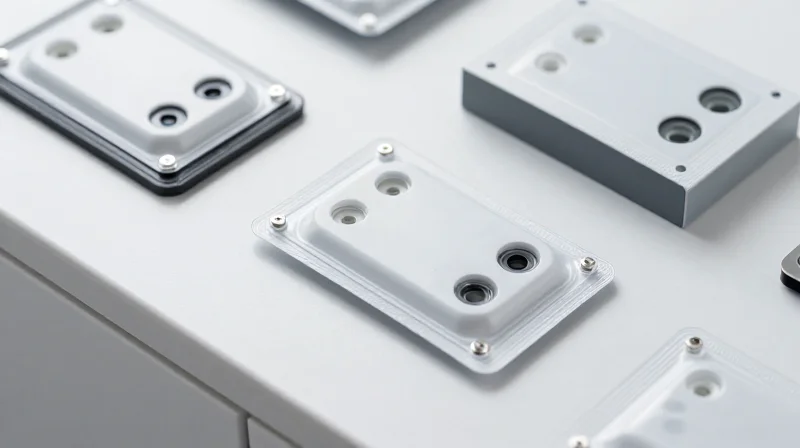
The Imperative of Specialized Protection
Modern medical devices, often incorporating delicate sensors, miniaturized circuitry, and high-performance batteries, face extreme environmental risks during transit and storage. Advanced packaging goes beyond simple containment; it acts as a critical barrier against moisture, electrostatic discharge (ESD), mechanical vibration, and thermal fluctuations. In the context of the evolution of medical device manufacturing, specialized packaging is now considered a vital sub-system of the overall box build process, ensuring that the device remains fully operational from the cleanroom to the surgical theater.
Strategies for Safeguarding Electronics
Manufacturers are increasingly adopting multi-layered protective strategies tailored to specific clinical applications. These include:
- ESD-Safe Materials
Utilization of dissipative foams and anti-static shielding bags to prevent catastrophic failure of sensitive semiconductor components during handling. - Hermetic and Moisture-Barrier Packaging
Deploying desiccant-integrated foil pouches to prevent oxidation and moisture ingress for long-term shelf-life stability. - Shock and Vibration Dampening
Custom-molded inserts, often created via CNC or precision die-cutting, to immobilize the device and absorb kinetic energy during high-impact transport.
Packaging Material Selection Comparison
| Material Type | Primary Function | Ideal Application |
|---|---|---|
| Conductive Foam | ESD Protection | PCB Assemblies |
| Vacuum-Sealed Foil | Moisture/Corrosion | Long-term Storage |
| Molded Pulp/Fiber | Mechanical Impact | Bulk Shipping |
Frequently Asked Questions on Protective Packaging
- How does packaging impact ISO 13485 compliance?
Packaging must be validated as part of the overall design output. Any material change requires a formal change control process to ensure the packaging continues to protect the device's functional integrity as defined in the technical file. - Can one packaging solution fit all device types?
No. Packaging must be optimized based on the device's sensitivity profile, weight, and sterilization requirements. A one-size-fits-all approach often fails to address unique risk factors like thermal sensitivity or micro-vibration damage.
Cost-Benefit Analysis: The ROI of Outsourcing

Shifting the Financial Paradigm: CAPEX to OPEX
In the traditional medical device manufacturing model, companies often bear the heavy burden of maintaining proprietary facilities, high-speed automated lines, and cleanroom infrastructure. This creates rigid fixed costs that remain constant regardless of market demand. By transitioning to a strategic box build and packaging partner, manufacturers migrate these expenditures to an Operating Expense (OPEX) model. This shift allows capital to be reallocated from facility maintenance to core R&D and clinical validation, significantly accelerating the path to commercialization.
Comparative Cost Impact: In-House vs. Outsourced
| Cost Driver | In-House Manufacturing | Outsourced Partnership |
|---|---|---|
| Facility/Utilities | High Fixed Overhead | Shared Variable Cost |
| Regulatory Compliance | Internal Resource Drain | Baked into Service Fee |
| Equipment Depreciation | Significant CAPEX | Minimal Asset Exposure |
| Labor Scalability | Difficult/Costly Hiring | Dynamic Resource Pooling |
Long-Term ROI and Efficiency Metrics
The ROI of outsourcing extends beyond mere headcount reduction. It is found in the total cost of quality and time-to-market. Partners specializing in complex medical box builds bring pre-validated processes and established supply chain networks that reduce the risk of non-compliance—a common pitfall that can derail device launches and lead to costly field remediations.
Frequently Asked Questions on Strategic Outsourcing
- How does outsourcing impact my regulatory risk?
Partnering with an ISO 13485-certified contract manufacturer transfers much of the heavy lifting for quality management system (QMS) maintenance and audits to the partner, providing a more robust compliance posture. - Can outsourcing truly improve time-to-market?
Yes, by leveraging the partner's existing infrastructure, supply chain relationships, and specialized engineering staff, firms can bypass the lead times associated with scaling internal assembly lines. - Does the unit cost increase with outsourcing?
While unit costs may appear higher on paper, the 'Total Cost of Ownership'—including facility overhead, training, and regulatory oversight—is almost always lower when viewed against the lifecycle of the product.
Selecting the Right Manufacturing Partner
Critical Criteria for Evaluating Medical Contract Manufacturers
Choosing the right partner is not merely about finding assembly capacity; it is about finding a strategic ally capable of maintaining stringent quality standards while navigating the complexities of medical device regulations. Evaluation must center on deep technical expertise, robust quality management systems (QMS), and the ability to scale operations without compromising integrity.
| Evaluation Criterion | Key Focus Area | Medical Industry Impact |
|---|---|---|
| Quality & Compliance | ISO 13485 & FDA 21 CFR 820 | Ensures regulatory audit readiness and patient safety. |
| Technical Capability | Precision box build & cleanroom | Maintains strict adherence to device performance specifications. |
| Supply Chain Resilience | Tier-1 component traceability | Mitigates risks of obsolescence and counterfeit materials. |
| Scalability | NPI to mass production transition | Ensures continuous supply during market demand spikes. |
Key Questions for Due Diligence
- How does your facility manage component traceability for high-risk medical devices?
A high-performing partner will demonstrate a digital QMS that tracks every serial number and batch from procurement through to final packaging. - What is your approach to New Product Introduction (NPI) and Design for Manufacturing (DFM)?
Look for manufacturers who engage early to optimize assembly processes, reduce build costs, and minimize potential failure points before mass production begins. - Can you scale volume without disrupting the existing production line?
Effective partners maintain flexible floor layouts and cross-trained staff to shift capacity seamlessly as your product evolves from prototype to clinical and commercial volume.
Ultimately, the partnership must shift from a transactional vendor-buyer relationship to a collaborative integration. Manufacturers who leverage advanced data analytics for process monitoring and maintain transparent communication channels are better positioned to support the lifecycle of sophisticated medical electronics.
As medical devices evolve, so must your manufacturing strategy. By embracing turnkey box build solutions, organizations can focus on innovation while ensuring quality, compliance, and speed. Contact our team today to learn how our custom assembly solutions can streamline your medical device production cycle.
