
In the fast-evolving landscape of electronic cigarettes, your device is only as reliable as its core. As high-volume demand meets increasingly stringent safety regulations, choosing a micro PCBA partner is no longer just about cost—it is about mitigating catastrophic risk and ensuring consistent, precision-engineered performance. This guide provides the blueprint for vetting your next manufacturing partner.
Prioritizing Regulatory Compliance and Safety Certifications
The Imperative of Regulatory Compliance
In the precision vape manufacturing sector, compliance is not merely an administrative hurdle; it is the fundamental barrier to market entry and consumer safety. A supplier must demonstrate more than just technical capability; they must operate within a quality management framework that minimizes the risk of electronic failure, battery instability, or toxic off-gassing caused by substandard soldering or heat-sensitive components.
Critical Certifications at a Glance
| Certification | Significance for Vape PCBA | Compliance Scope |
|---|---|---|
| ISO 9001 | Foundational Quality Management | Ensures consistent processes and continuous improvement. |
| RoHS | Restricted Hazardous Substances | Ensures no lead, mercury, or cadmium is used in solder. |
| UL/CE/FCC | Product Safety and Integrity | Standardizes safety for power, heat, and electromagnetic emissions. |
| ISO 13485 | Medical Grade Standards | Often preferred for higher safety requirements in inhalation devices. |
Common Compliance Questions
- Why is ISO 9001 insufficient on its own for vape manufacturing?
While ISO 9001 manages organizational quality, vape manufacturing requires specific environmental and material safety standards like RoHS to prevent inhalation of harmful heavy metals during operation. - How does PCB cleanliness impact safety?
Residual flux or ionic contaminants on a PCBA can lead to electrochemical migration or short circuits. Suppliers should follow IPC-A-610 standards for high-level cleanliness, which is vital for high-reliability vaporizers. - Does the supplier need specific experience with battery management circuits?
Yes. Since battery safety is the highest risk factor in vapes, the PCBA supplier must demonstrate robust testing protocols for thermal cutoff and overcurrent protection circuits.
Ultimately, vetting a supplier for safety certifications should involve requesting actual certificate copies and confirming their validity through issuing body databases. Never rely on expired documents or vague promises of compliance; the financial and legal consequences of a recall in the vape industry are far too severe.
Assessing High-Volume Scalability and Production Capacity

Scalability and Production Capacity
The transition from prototype to mass production is where most vape manufacturers encounter significant quality drift. Assessing a supplier for scalability requires looking beyond simple output volume to evaluate their production architecture, automated testing integration, and supply chain redundancy. A partner capable of handling millions of units must demonstrate consistent assembly precision, ensuring that the micro PCBA remains stable under the high-temperature and voltage demands inherent in precision vape device operation.
Strategic Capacity Evaluation Matrix
| Capacity Metric | Low-Volume Requirement | Mass Production Standard |
|---|---|---|
| Line Automation | Manual/Semi-Automated | Fully Automated SMT/AOI |
| Quality Assurance | Batch Inspection | Inline Real-Time Monitoring |
| Lead Time | Flexible/Ad-hoc | Predictable/Forecast-based |
| Scalability Buffer | Not required | Capacity for 20% surge |
Key Considerations for Production Scaling
- How does the supplier manage component procurement during spikes?
A high-capacity partner should maintain long-term relationships with Tier-1 component manufacturers to avoid counterfeit parts and ensure material availability during global shortages. - What is the role of Automated Optical Inspection (AOI) in high-volume runs?
In mass production, manual inspection is prone to error; robust AOI integration ensures that every micro PCBA undergoes standardized testing for soldering integrity and component alignment at high speeds. - Does the facility support capacity flexibility?
Ask for the supplier's peak monthly capacity and their history of scaling production. A capable partner provides a clear path for shifting from pilot runs to multi-million unit manufacturing without shifting the production base.
Ultimately, your PCBA supplier must demonstrate that their quality management system (QMS) remains as effective at two million units as it was at two hundred. Prioritize partners who invest in automated infrastructure and data-driven production logs, as these offer the transparency required to maintain your brand's reputation in a highly scrutinized regulatory landscape.
Technical Proficiency: Micro-PCBA Design for Miniature Form Factors
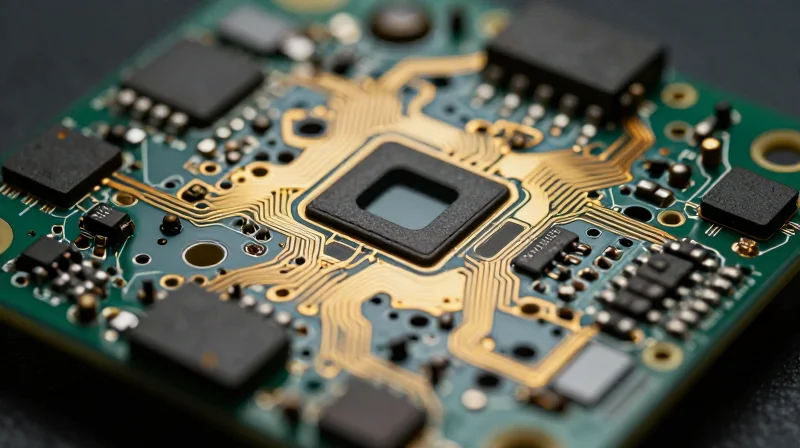
The evolution of vaping hardware toward increasingly compact, ergonomic profiles demands a paradigm shift in PCBA design and assembly. As form factors shrink, the margin for error in surface mount technology (SMT) and component placement narrows to the micron level. A capable supplier must demonstrate mastery over high-density interconnect (HDI) technologies and miniaturized component handling to ensure that thermal management and signal integrity are not sacrificed for size.
Core Engineering Challenges in Miniaturized Assemblies
| Challenge | Technical Impact | Supplier Requirement |
|---|---|---|
| Spatial Constraints | Increased risk of solder bridging and tombstoning. | Advanced AOI and high-precision pick-and-place machines. |
| Thermal Density | Excessive heat buildup near battery components. | Strategic thermal via placement and optimized substrate selection. |
| Signal Integrity | Interference between power and sensor circuits. | Multi-layer board design expertise with low-profile components. |
Technical Requirements for Precision Manufacturing
Precision is not merely about placement accuracy; it involves a holistic approach to the SMT line. Suppliers must utilize ultra-fine-pitch capabilities, often working with 01005 or 0201 metric components that are standard in modern micro-vape controllers. Furthermore, the selection of solder paste and reflow profiling must be meticulously calibrated to prevent defect rates that would otherwise compromise the structural integrity of the device.
Frequently Asked Questions
- How does component density affect production yields?
Higher component density significantly increases the risk of manufacturing defects like solder shorts. Suppliers must use high-resolution automated optical inspection (AOI) to catch these microscopic errors. - Why is substrate selection critical for micro-vape designs?
Substrate materials must balance cost with thermal conductivity and rigidity. For extremely small enclosures, selecting the right FR-4 variant or high-frequency laminate is essential for preventing long-term warping. - What role does DFM (Design for Manufacturing) play?
DFM is the foundation of mass production. It ensures that the board layout is physically optimized for high-speed assembly equipment, reducing cycle times and preventing assembly failures.
Rigorous Quality Control and Testing Protocols

The Imperative of Multi-Stage Inspection
In the micro-PCBA landscape, human visual inspection is insufficient to capture microscopic errors. Precision vape manufacturing requires a multi-layered testing strategy that integrates automated systems throughout the SMT assembly process to ensure every unit meets strict reliability standards.
Core Testing Methodologies
| Methodology | Primary Application | Defect Identification |
|---|---|---|
| AOI (Automated Optical Inspection) | Post-Reflow SMT Assembly | Misalignment, solder bridges, missing components |
| ICT (In-Circuit Testing) | Electrical Functionality | Open circuits, shorts, incorrect resistor values |
| FCT (Functional Circuit Testing) | Final PCBA Assembly | Power management and firmware response |
FAQ: Quality Assurance for Vape PCBAs
- Why is ICT critical for vape devices?
Vape devices rely on precise voltage control for coil heating; ICT verifies that individual components function within specified electrical tolerances, preventing dangerous overheating. - What role does AOI play in miniature form factors?
AOI utilizes high-resolution cameras to detect defects in components as small as 01005 packages that are virtually invisible to the naked eye, ensuring solder integrity in cramped enclosures. - How do testing protocols influence batch reliability?
By utilizing statistical process control (SPC) alongside automated testing, manufacturers can identify and correct production drifts before they result in mass-scale component failure.
Supply Chain Transparency and Component Sourcing
Mitigating Component Counterfeit Risks
In the miniature electronics sector, the presence of counterfeit components—specifically capacitors, micro-controllers, and battery management ICs—poses a severe risk to product safety and regulatory compliance. Suppliers must demonstrate a traceable procurement chain, ensuring all active and passive components are sourced directly from authorized franchised distributors or the original component manufacturers (OCMs). Unauthorized broker markets introduce critical vulnerabilities that can lead to thermal runaway or device failure in vape hardware.
Supply Chain Visibility Benchmarks
| Verification Metric | Standard Expectation | Risk Factor |
|---|---|---|
| Component Traceability | Complete lot/date code tracking | High risk with broker sourcing |
| Distributor Status | Franchised / Authorized only | High risk with gray market |
| Inventory Control | ESD-safe, climate-controlled | Risk of environmental damage |
Frequently Asked Questions
- How can I verify if my supplier uses authorized components?
Request a Certificate of Conformance (CoC) for every batch, which should link specific part numbers to invoices from authorized distributors. - Why is lot tracking critical for miniature PCBAs?
Lot tracking allows for precision recalls and root-cause analysis if a specific production run of micro-components exhibits unexpected performance degradation. - Does offshore manufacturing inherently increase sourcing risk?
Not necessarily; however, it necessitates stricter auditing of the supplier's procurement department to ensure they do not bypass authorized channels to lower immediate costs.
Evaluating Communication and Collaborative Engineering
In the fast-paced vape industry, treating your PCBA supplier as an extension of your own engineering department is a strategic necessity rather than a luxury. When communication channels are seamless, design iterations move from concept to production at a fraction of the time, allowing for rapid adaptation to consumer trends and regulatory requirements.
The Engineering Bridge: Collaborative Design for Manufacturability
A proactive supplier provides critical Design for Manufacturing (DFM) feedback before the first prototype is ever built. By integrating early, you avoid costly re-spins and ensure that the miniaturized circuitry of your vape devices is optimized for reliable high-speed assembly. Effective collaboration transforms the relationship from a transactional vendor model to a value-added partnership.
| Communication Metric | Reactive Supplier | Collaborative Partner |
|---|---|---|
| Design Feedback | Post-failure analysis only | Proactive DFM/DFA checks |
| Issue Resolution | Slow ticketing systems | Direct engineer-to-engineer access |
| Project Visibility | Static status reports | Real-time portal/API integration |
Strategic FAQ
- How does early collaboration impact time-to-market?
Early engagement allows for immediate validation of footprint designs and thermal management strategies, preventing downstream bottlenecks that often delay mass production. - What tools facilitate better collaborative engineering?
Shared PLM access, secure cloud-based CAD sharing, and scheduled technical syncs are vital for maintaining alignment on complex micro-electronics assemblies. - Why should I prioritize a supplier with internal engineering teams?
Suppliers with deep internal expertise can suggest alternative components or process optimizations that reduce costs while maintaining the high reliability required for vape devices.
Cost Management Without Compromising Reliability

In the high-stakes world of precision vape manufacturing, focusing solely on the lowest per-unit price is a dangerous strategy. Cost-cutting measures often inadvertently compromise assembly standards, leading to field failures, recall costs, and irreparable brand damage. True cost management is achieved by analyzing the total cost of ownership (TCO) and establishing a manufacturing partnership that prioritizes long-term quality and operational efficiency.
Shifting from Per-Unit Pricing to Total Cost of Ownership
Manufacturers must evaluate suppliers based on hidden costs that occur throughout the PCBA lifecycle. By identifying these variables, you can select a partner whose processes are designed to reduce waste rather than just minimize the bill of materials.
| Cost Driver | Short-term Strategy | Long-term TCO Impact |
|---|---|---|
| Component Sourcing | Low-cost, non-vetted parts | High failure rates and warranty claims |
| Quality Assurance | Visual inspection only | Latent defect recalls and customer churn |
| Engineering Support | Basic assembly only | Design inefficiencies and slow time-to-market |
Optimizing Costs Without Sacrificing Standards
- How does early design collaboration reduce costs?
Engaging your supplier early in the DFM (Design for Manufacturing) stage identifies potential assembly bottlenecks, reducing rework and optimizing yield rates before mass production begins. - Why is high-yield automation more cost-effective?
While automation requires higher initial investment, it drastically reduces labor costs and human error, leading to a higher rate of first-pass yield that lowers the true cost per functional unit. - What role does transparency play in financial stability?
A transparent supply chain prevents the cost volatility associated with counterfeit or grey-market components, ensuring predictable pricing and consistent product reliability over multiple production cycles.
Ultimately, the right supplier provides value through process stability. When selecting a partner for precision vape manufacturing, emphasize their investment in rigorous testing and supply chain traceability. These factors represent an insurance policy against the catastrophic costs associated with product failures in a highly regulated industry.
Long-Term Partnership Viability and Risk Mitigation
Assessing Operational and Financial Stability
In the high-stakes precision vape sector, a supplier's collapse can halt your entire production line overnight. Beyond standard financial ratios, look for indicators of operational longevity and capital reinvestment. A stable partner should demonstrate consistent investment in automated assembly technology and robust disaster recovery protocols to ensure business continuity during unforeseen market shocks.
| Risk Factor | Assessment Metric | Significance for Vape PCBA |
|---|---|---|
| Supply Chain Dependency | Tier-2 Supplier Audits | Prevents bottlenecking of critical micro-components. |
| Financial Liquidity | Debt-to-Equity Ratio | Ensures ability to stock safety inventory for rapid scale. |
| Regulatory Compliance | Quality Management Certifications | Mitigates legal risk in medical or regulated markets. |
Mitigating Risk Through On-Site Audits
A physical audit is the only way to verify the claims made in marketing collateral. Focus your on-site assessment on the 'invisible' aspects of manufacturing: the cleanliness of the cleanroom environment, the calibration records of SMT lines, and the competence of the on-floor technicians who handle your specific micro-PCBA architecture.
- How do I verify the supplier's financial stability?
Request audited financial statements from the last three years and seek transparency regarding their debt structure and current ownership model. - What specific indicators suggest operational risk?
Look for high staff turnover, lack of documented standard operating procedures (SOPs), and limited visibility into their sub-tier component sourcing. - How does risk mitigation impact time-to-market?
Proactive risk management ensures that supply chain disruptions and quality defects are identified early, preventing costly production halts and redesign loops.
Strategic Alignment for Long-Term Value
True viability is rooted in shared goals. The best vape PCBA partners view themselves as an extension of your R&D department. Prioritize suppliers who offer joint problem-solving workshops and long-term capacity reservations. This collaborative model turns the relationship from a standard vendor interaction into a strategic asset that scales with your manufacturing needs.
Selecting the right micro PCBA partner is a foundational decision that dictates your brand's reputation and product safety. By prioritizing technical excellence, rigorous quality standards, and supply chain transparency, you safeguard your market position against volatile industry shifts. Are you ready to optimize your electronics supply chain? Contact our engineering team today for a comprehensive facility assessment.
