
In the highly regulated world of medical device manufacturing, your choice of box build partner isn't just an operational decision—it's a critical component of your product's regulatory compliance and market viability. As supply chains grow increasingly complex, selecting a partner that balances rigorous quality management with scalable precision is essential. This guide provides a strategic framework to help you evaluate and select a partner capable of turning your designs into life-saving reality.
The Regulatory Foundation: Verifying ISO 13485 Compliance
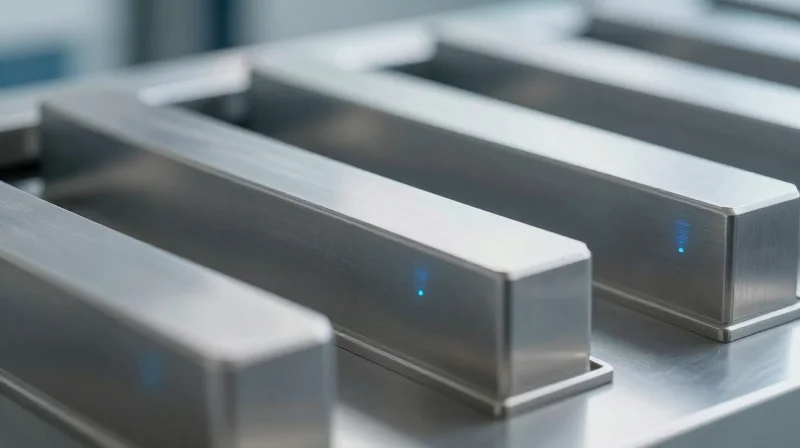
Why ISO 13485 is the Gold Standard for Contract Manufacturing
ISO 13485 is more than a certification; it is the fundamental framework that ensures a manufacturer can consistently produce medical devices that meet customer requirements and regulatory expectations. When evaluating a potential box build partner, you are assessing their capability to manage supply chains, control production environments, and document processes with absolute traceability. A partner lacking this certification introduces significant risk to your product's market access, liability profile, and clinical efficacy.
Critical Verification Steps
Do not rely on a badge on a website. Rigorous due diligence requires an objective review of tangible documentation to verify that the certification is active, relevant to your specific scope, and backed by a history of compliance.
- Validate Scope of Certification
Ensure the partner's ISO 13485 scope specifically covers 'box build' or 'system assembly' services rather than just component manufacturing. - Check Certificate Validity
Request the official certificate from the Notified Body to check expiration dates and verify the certification is maintained by an accredited registrar. - Review Recent Audit Reports
Ask for the summary of the latest surveillance or re-certification audit to identify any 'major' non-conformances that may indicate systemic quality failures. - Evaluate CAPA History
A high-performing partner is transparent about their Corrective and Preventive Action (CAPA) processes, proving they can identify and rectify issues before they impact your product line.
Comparing Quality Maturity Levels
| Indicator | Low Maturity Partner | High Maturity Partner |
|---|---|---|
| Certification Status | Expired or non-specific scope | Current, fully scoped, and valid |
| Audit Transparency | Refusal to share summary reports | Proactive disclosure of audit findings |
| Process Control | Reactive, manual interventions | Robust, digitized QMS integration |
| Risk Management | Minimal documentation | ISO 14971-integrated workflows |
Assessing Scalability: From Prototype to Full-Scale Production
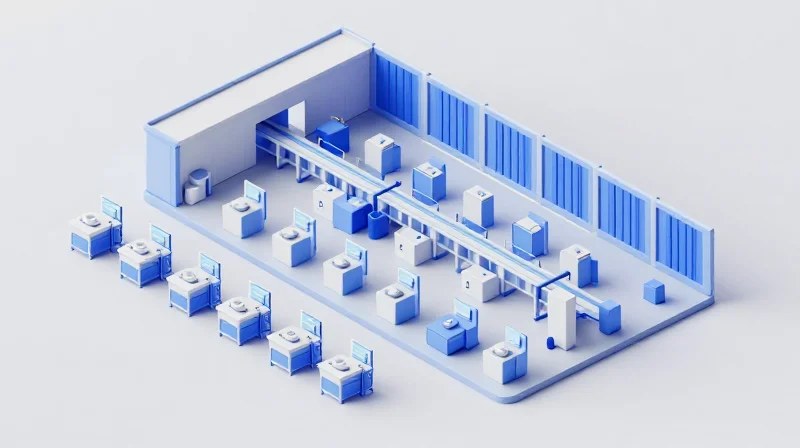
Evaluating Scalability Infrastructure
Transitioning from prototype to full-scale production is a frequent point of failure for medical device companies. A partner must demonstrate that their operational framework can expand without compromising the strict quality controls established during early-phase development. Scalability is not merely about capacity; it is about the reliability of supply chains, the consistency of assembly processes, and the agility of the quality management system (QMS) under high-volume pressure.
Key Scaling Indicators
| Requirement Area | Prototype Focus | Full-Scale Requirement |
|---|---|---|
| Procurement | Short-lead availability | Strategic global sourcing |
| Assembly | Manual/Custom builds | Automated or semi-automated lines |
| Quality Control | In-depth inspection | Statistical Process Control (SPC) |
| Validation | IQ/OQ focused | PQ and ongoing process verification |
Scalability Assessment FAQ
- How do you verify if a partner can manage high-volume spikes?
Review their recent historical volume data and ask for evidence of how they manage surge capacity, specifically regarding resource allocation and redundant production line availability. - Why is statistical process control (SPC) critical at scale?
As production volumes increase, manual 100% inspection becomes unsustainable. Robust SPC programs ensure process stability and yield consistency without necessitating manual inspection for every single unit. - Does a small-batch partner hinder future growth?
Not necessarily, but they must have a clearly defined roadmap for facility expansion, technology investment, and labor scalability that aligns with your projected device adoption curve.
Supply Chain Transparency and Material Integrity

Managing Risk through Supply Chain Visibility
In the medical device industry, 'blind' supply chains are a critical failure point. A qualified box build partner must demonstrate total visibility into their sub-tier supply chain, ensuring that every component—from printed circuit board assemblies (PCBAs) to custom fasteners—originates from vetted, compliant manufacturers. This transparency is not merely for logistical efficiency; it is a regulatory mandate that protects your product from substandard or counterfeit materials that could compromise patient safety.
Material Traceability vs. Vendor Vetting
| Component Strategy | Key Objective | Audit Frequency |
|---|---|---|
| Material Traceability | Ensure lot-level lineage for all sub-components. | Real-time access |
| Vendor Vetting | Confirm sub-tier compliance with ISO 13485. | Annually |
Frequently Asked Questions
- How can I verify my partner's supply chain transparency?
Demand a mapped bill of materials (BOM) that explicitly lists the manufacturer and country of origin for all critical sub-components, supported by recent audit results. - What is the risk of using unvetted sub-tier suppliers?
Unvetted suppliers introduce the risk of undocumented material substitutions, counterfeit components, and lack of compliance with conflict mineral requirements, all of which pose significant regulatory and patient safety risks. - Does the box build partner hold responsibility for sub-tier failure?
Yes, your contract manufacturer is generally responsible for the quality of their own supply chain; ensure your Quality Agreement clearly defines their liability for sub-tier supplier non-conformance.
Evaluating Engineering and DFM Expertise
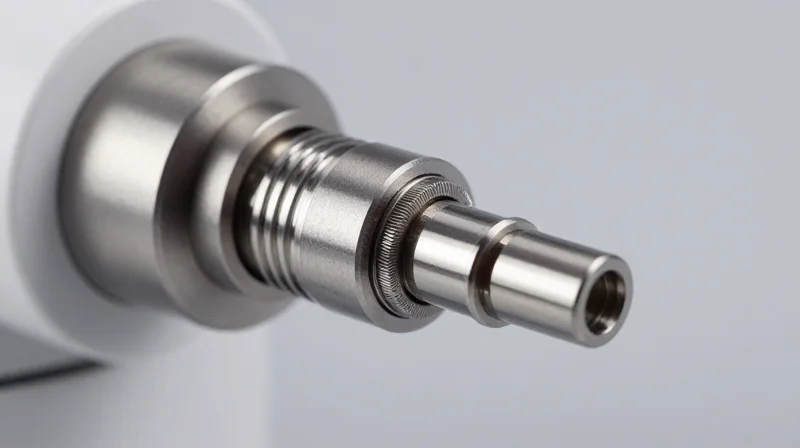
Leveraging DFM for Accelerated Time-to-Market
A partner’s DFM expertise is not merely a technical advantage; it is a strategic lever that reduces long-term costs and minimizes production risk. By identifying potential assembly bottlenecks, material inconsistencies, or design tolerances early in the process, a capable partner prevents costly engineering changes (ECOs) once the product reaches full-scale manufacturing. Your ideal partner acts as an extension of your own R&D team, providing actionable feedback that optimizes the assembly process without compromising regulatory compliance or clinical performance.
Comparative Assessment of Engineering Support
| Evaluation Metric | Reactive Manufacturer | Strategic Partner |
|---|---|---|
| DFM Engagement | Post-design feedback only | Early-stage involvement |
| Tooling Strategy | Standard, high-cost options | Optimized, multi-cavity solutions |
| Risk Management | Addresses failures after occurrence | Proactive PFMEA integration |
| Assembly Focus | Manual assembly reliance | Automation-ready design |
Key Questions for Engineering Audits
- How do you integrate DFM into your initial NPI (New Product Introduction) workflow?
A high-performing partner should have a documented process for reviewing CAD models and BOMs to suggest material or design optimizations before the first pilot run. - Can you provide examples of how your engineering team solved a specific assembly bottleneck for a previous client?
Look for specific case studies where the partner reduced cycle time or part count, as this demonstrates tangible value creation rather than theoretical knowledge. - How is your engineering team structured to handle design iterations while maintaining regulatory control?
Ensure they have dedicated documentation controls to manage revisions without disrupting the stability of the validated production process. - What automated assembly solutions or fixtures do you design in-house?
In-house design capability for assembly fixtures suggests lower lead times and better control over the consistency of the final build.
Quality Management Systems (QMS) Beyond the Certificate
Beyond the Certificate: Assessing QMS Maturity
Possessing an ISO 13485 certificate is a baseline requirement, not a guarantee of operational excellence. A truly strategic medical device box build partner integrates quality into every facet of their shop floor, moving from reactive compliance to proactive quality management. To select the right partner, you must look for a culture where document control, CAPA (Corrective and Preventive Action) systems, and environmental monitoring are treated as critical business drivers rather than administrative hurdles.
Key Quality Metrics for Deep Due Diligence
| System | Strategic Indicator | Warning Sign |
|---|---|---|
| Document Control | Automated, version-locked digital workflows. | High reliance on paper travelers or manual sign-offs. |
| CAPA Management | Evidence of root-cause analysis beyond simple fixes. | Persistent recurring issues with no systemic change. |
| Environmental Monitoring | Real-time data trending and automated alarms. | Sporadic reporting or retrospective documentation. |
Frequently Asked Questions on QMS Integration
- Why is 'Design for Quality' (DfQ) critical during the box build phase?
DfQ ensures that potential assembly errors are designed out of the process, reducing the reliance on end-of-line inspections and creating a more robust, repeatable manufacturing cycle. - How does an effective CAPA system impact my project's launch timeline?
A mature CAPA system prevents the 're-work loop' where quality deviations cause repeated production stops, ensuring your launch timeline remains stable even when unforeseen issues arise. - Should I audit the partner's sub-tier suppliers?
While you may not audit every tier, your partner must demonstrate a robust Supplier Quality Management program that audits and controls critical sub-tier components to prevent supply chain contamination.
Geopolitical and Logistical Considerations

Geopolitical stability and logistical efficiency are no longer secondary concerns; they are foundational to maintaining supply chain continuity. When selecting a box build partner, you must evaluate how their physical location impacts your ability to monitor production, manage inventory, and respond to rapid market changes.
Comparing Manufacturing Geographies
| Region | Primary Advantage | Key Risk Profile |
|---|---|---|
| Onshore | Regulatory alignment & speed | High labor costs |
| Nearshore | Balanced cost & proximity | Infrastructure maturity |
| Offshore | Economies of scale | Geopolitical & lead-time volatility |
Strategic Considerations for Site Selection
- How does proximity affect Quality Control?
Closer proximity allows for frequent onsite audits and real-time oversight of critical box build assembly processes, significantly reducing the lag time between identifying a defect and implementing a correction. - What role does geopolitical stability play?
A partner operating in an unstable region introduces risks related to trade sanctions, sudden policy shifts, or transport disruptions that can halt your medical device production indefinitely. - Are transportation costs and lead times optimized?
Long-distance logistics increase the risk of damage, environmental degradation of sensitive components, and working capital tie-up; assess the total cost, including expedited shipping requirements and inventory safety stock.
To mitigate these risks, perform a thorough risk assessment of the partner's local logistical ecosystem, including the reliability of power grids, regional transport networks, and the prevalence of regional conflicts that could threaten your delivery timelines.
Financial Stability and Long-Term Partnership Potential
Assessing Fiscal Resilience in Medical Manufacturing
Financial instability in a manufacturing partner is not merely a budgetary concern; it represents a systemic risk to your product lifecycle. When selecting a box build partner, you must look beyond current capacity and evaluate the financial runway that supports ongoing investment in tooling, specialized equipment, and skilled labor. A partner with robust fiscal health is better equipped to navigate market fluctuations, regulatory changes, and sudden supply chain disruptions without compromising the quality or delivery schedule of your medical device.
Key Indicators of Financial Sustainability
| Indicator | Significance | Red Flag |
|---|---|---|
| Capital Reinvestment | Shows commitment to new technology and automation. | Stagnant infrastructure or aging equipment. |
| Diverse Client Base | Prevents over-reliance on a single revenue stream. | Heavy concentration (e.g., >40% revenue) in one client. |
| Credit Rating | Signals reliability in meeting financial obligations. | Inconsistent payment terms or negative credit trends. |
Mitigating Long-Term Operational Risk
Ensuring a partner has the resources to survive a multi-year manufacturing contract protects your intellectual property and regulatory filings. A sudden exit or bankruptcy of a partner could result in legal entanglement, loss of specialized production assets, and significant downtime while you transfer production to a new vendor. Always conduct thorough due diligence, including requests for audited financial statements and inquiries regarding their long-term ownership strategy.
- How can I verify a partner's financial health?
Beyond public financial reports, request Dun & Bradstreet reports and inquire about their debt-to-equity ratio and investment strategy regarding R&D and equipment maintenance. - Does ownership structure impact partnership stability?
Yes, private equity-backed firms may have different time horizons compared to family-owned or publicly traded companies, potentially affecting the partner's willingness to commit to long-term capital projects. - What is the primary risk of a financially weak partner?
The greatest danger is the inability to procure long-lead-time components during periods of supply chain volatility, which directly halts your production and delays device market entry.
Selecting the right box build partner is a transformative decision that influences every stage of your medical device's lifecycle. By prioritizing rigorous quality standards, transparent supply chains, and technical expertise, you position your organization for long-term success in a competitive market. Ready to audit your potential partners? Contact our team today for a comprehensive evaluation guide tailored to your unique device requirements.
