In the realm of electronics, the 220 ohm resistor is a workhorse, vital in countless circuits, from simple LED projects to complex embedded systems. Like the essential brick in a building, its seemingly small price has large implications for budget-conscious engineers, hobbyists and students. As the electronics field continues to push the boundaries of innovation, understanding 220 ohm resistor price dynamics becomes crucial for cost-effective project design. This article will dive deep into the world of 220 ohm resistors, exploring price variations, buying tips and technical considerations. We'll navigate through the costs, helping you understand not just how much a 220 ohm resistor price costs, but also what impacts those costs.
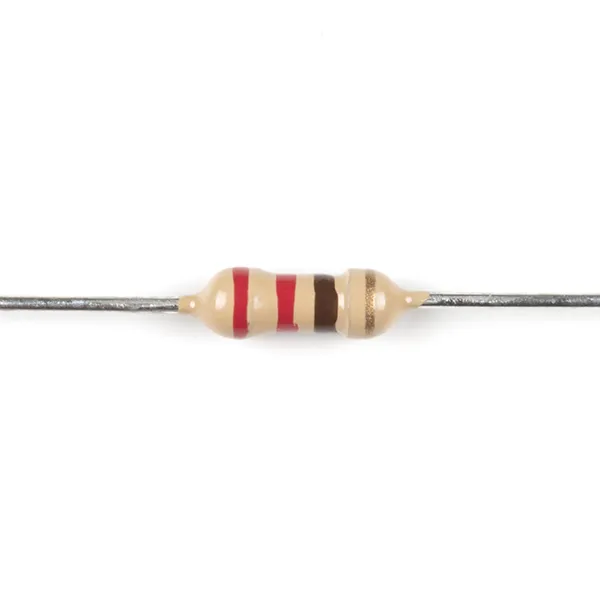
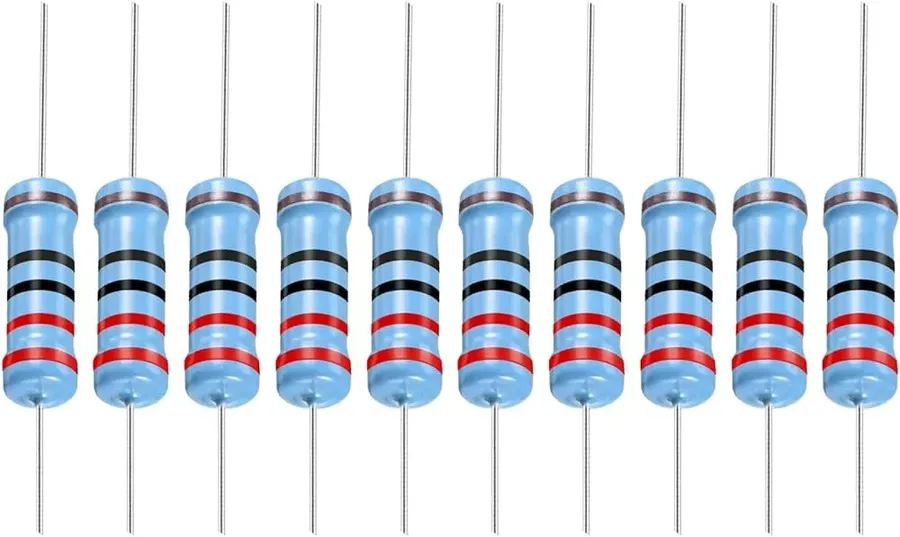
The price of a 220 ohm resistor, a fundamental component in electronic circuits, is not fixed and is influenced by several key factors. These factors include the quantity purchased, the precision of the resistance value (tolerance), the resistor's power handling capability (power rating), and the materials and methods used in its manufacturing (e.g., carbon film vs. metal film). Understanding these factors is crucial for making informed purchasing decisions.
| Factor | Description | Impact on Price |
|---|---|---|
| Quantity | Number of resistors purchased in a single transaction. | Higher quantities usually result in lower per-unit prices due to bulk discounts. |
| Tolerance | Precision with which the actual resistance value matches the specified 220 ohms, expressed as a percentage. | Lower tolerance (e.g., 1% or 0.1%) indicates higher precision and typically increases the price. |
| Power Rating | Maximum power a resistor can safely dissipate as heat, measured in Watts. | Higher power ratings necessitate more robust construction, resulting in higher prices. |
| Manufacturing Type | Materials and methods used to create the resistor (e.g., carbon film, metal film). | Metal film resistors generally offer higher precision and lower temperature coefficients than carbon film resistors, leading to a higher price point. Wire-wound resistors are typically more expensive due to their higher power and precision capabilities. |
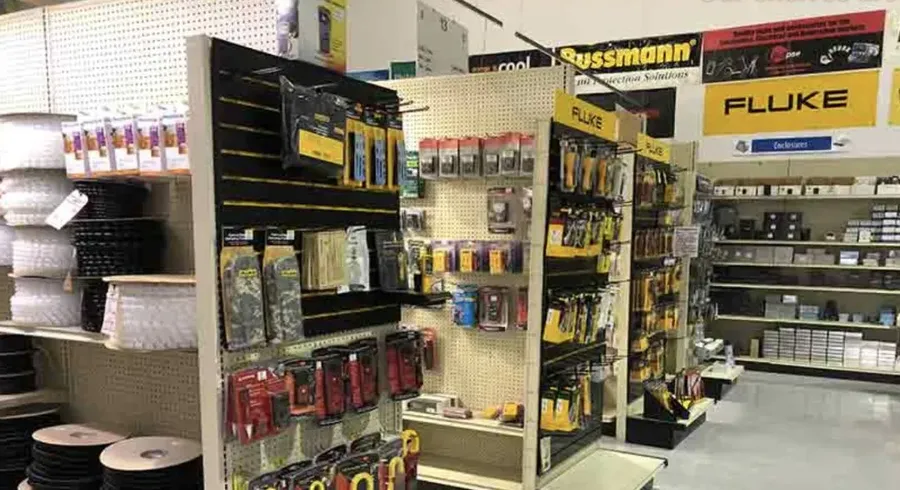
The procurement of 220 ohm resistors involves navigating various purchasing channels, each offering distinct advantages and disadvantages. This section provides a comprehensive comparison of online marketplaces, specialized electronic component distributors, and local electronics stores to assist in making informed purchasing decisions.
| Retailer Type | Advantages | Disadvantages | Typical Pricing | Typical Lead Time |
|---|---|---|---|---|
| Online Marketplaces (Amazon, eBay) | Wide selection, often competitive pricing, easy to compare prices, convenient home delivery | Variable quality, potential for counterfeit products, shipping costs can negate small purchase discounts, less direct customer service | Variable, often lower for small quantities | 2-7 days |
| Specialized Electronic Component Distributors (Mouser, Newark, Jameco) | High-quality components, broad selection, reliable sourcing, excellent technical documentation, batch purchasing discounts | Higher prices compared to marketplaces for small orders, less intuitive navigation for beginners, may have minimum order quantity | Higher per unit price but better quality | 1-5 days |
| Local Electronics Stores | Immediate availability, allows for physical inspection of components, direct customer support, can buy very small quantities | Limited stock, often higher prices, potentially longer travel time and limited hours | Higher per unit price than online options | Same day |
Analyzing the price of 220 ohm resistors across various retailers reveals significant variations influenced by factors like supplier, quantity, and resistor type. This section provides a comparative overview to help buyers make informed decisions, securing the best value based on their specific requirements.
| Retailer/Supplier | Typical Price per Resistor (USD) | Bulk Pricing | Shipping Costs | Notes |
|---|---|---|---|---|
| Amazon | $0.05 - $0.20 | Discounts for larger quantities | Varies by seller and location | Wide range of sellers, prices vary significantly. |
| eBay | $0.03 - $0.15 | Often cheaper for bulk, but quality can vary | Varies widely, may be combined | Auction format can lead to fluctuations, be careful with the seller rating. |
| Mouser Electronics | $0.10 - $0.30 | Progressive discounts, better for larger quantities | Generally higher, but reliable | Authoritative source for high-quality components, ideal for professionals and large projects. |
| Digi-Key Electronics | $0.12 - $0.35 | Progressive discounts, competitive bulk prices | Higher but stable shipping costs | Similar to Mouser, a reliable supplier for engineering use. |
| Newark | $0.08 - $0.25 | Better bulk options, consistent supply | Varies by order size | Good balance of price and quality, suitable for both hobbyists and small businesses. |
| Local Electronics Stores | $0.20 - $0.50 | Limited discounts available | Lower if local, save shipping cost | Good for immediate needs, but often more expensive per unit. |
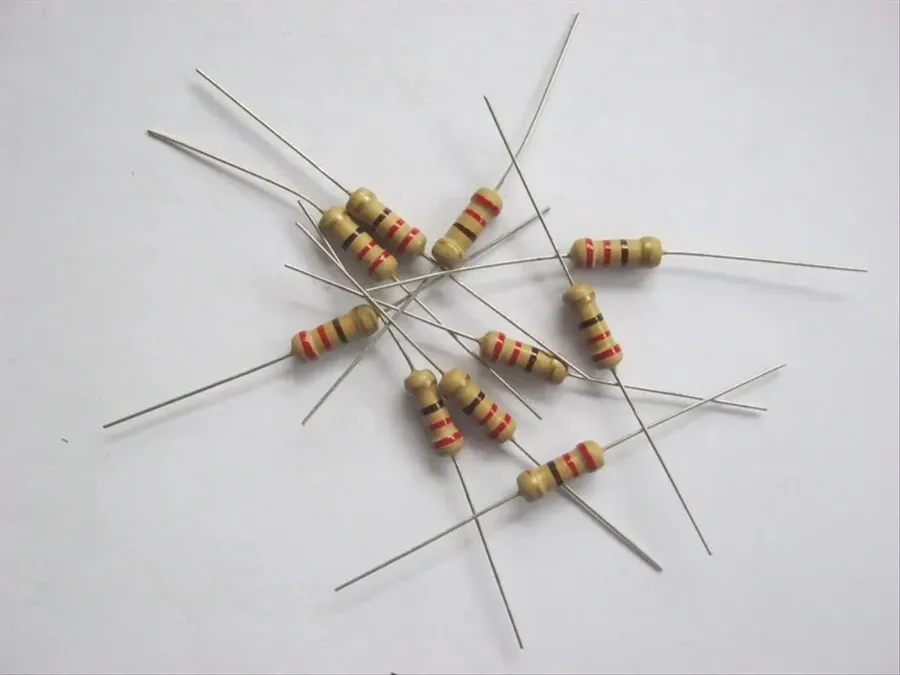
The cost of a 220 ohm resistor is not uniform; it varies based on its type, each offering different performance characteristics and thus, different price points. Understanding these differences is crucial for making informed purchasing decisions for electronic projects.
| Resistor Type | Material | Typical Tolerance | Power Rating | Temperature Coefficient | Cost Implication | Typical Applications |
|---|---|---|---|---|---|---|
| Carbon Film | Carbon composite or carbon film on ceramic | 5%, 10% | Low (Typically 1/8W to 1/2W) | High | Low | General purpose, hobbyist projects, non-critical applications |
| Metal Film | Metal alloy film on ceramic | 1%, 0.5%, 0.1% | Low to Medium (Typically 1/8W to 1W) | Low | Medium | Precision circuits, audio equipment, applications requiring stability |
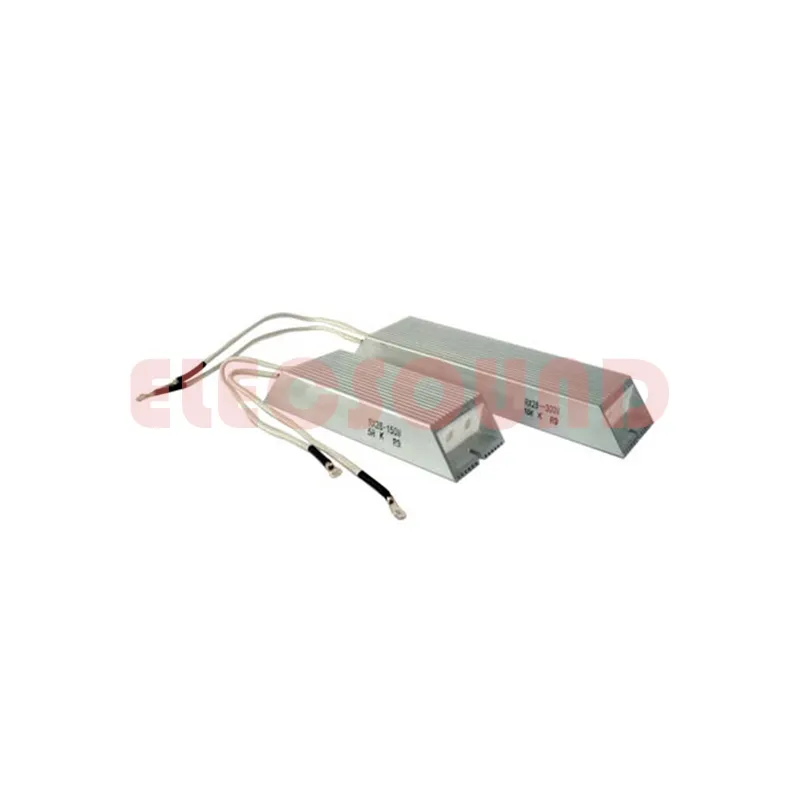
| Wire-wound | Metal alloy wire wound around a core | 1%, 5% | High (Typically 1W to 10W and higher) | Low | High | High power circuits, current sensing, braking resistors |
The pricing of 220 ohm resistors reflects these performance differences. Carbon film resistors are the most economical, followed by metal film resistors, with wire-wound resistors typically being the most expensive due to their higher power handling capabilities and construction complexity. When selecting a 220 ohm resistor, consider not only the cost, but also the requirements of your specific application.
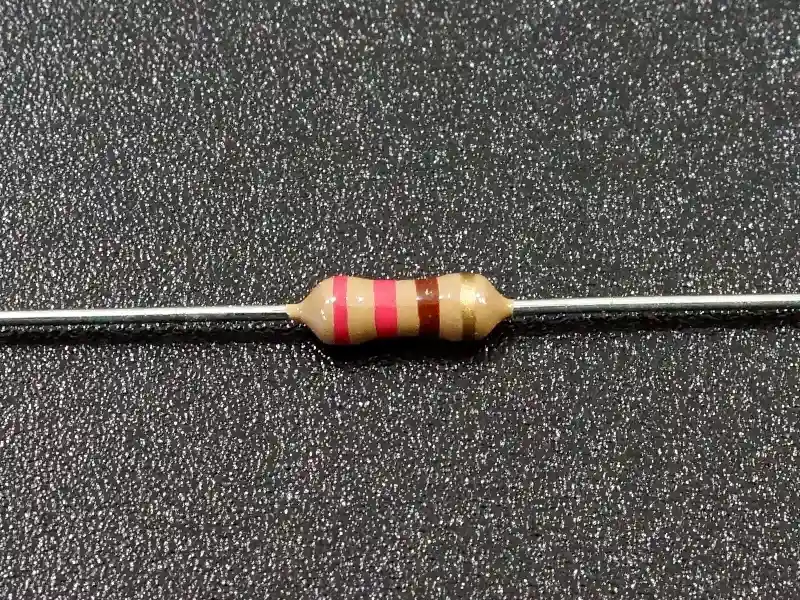
The 220 ohm resistor is a versatile component, fundamental in numerous electronic circuit designs. Its primary function is to limit current flow, ensuring that other components, like LEDs, operate within safe parameters, but its uses extend to a wider range of applications.
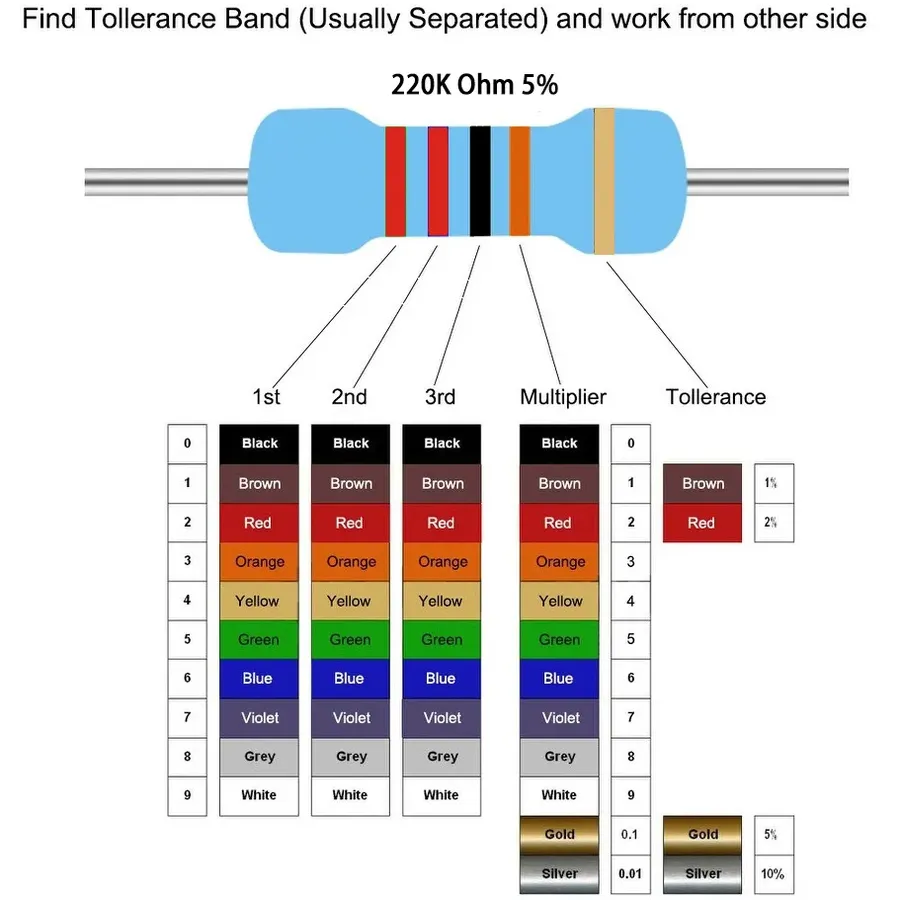
Identifying a 220 ohm resistor through its color code is a fundamental skill for electronics enthusiasts and professionals. This method utilizes colored bands painted on the resistor's body to indicate its resistance value, tolerance, and sometimes its temperature coefficient. The color code system is standardized, allowing for easy identification of resistor values without the need for measurement equipment.
For a 220 ohm resistor, the standard color code is as follows:
Therefore, a 220 ohm resistor will typically have the color code sequence: Red, Red, Brown, Gold. The bands are read from left to right, with the tolerance band typically spaced slightly further apart from the other bands.
This section addresses common questions regarding 220 ohm resistors, providing clear, concise answers to enhance your understanding and usage of these essential electronic components.
Purchasing 220 ohm resistors in bulk can significantly reduce the overall cost per unit, which is advantageous for large projects, educational institutions, or maintaining inventory for ongoing needs. Understanding how to approach bulk purchases can lead to substantial savings and better procurement practices.
While a 220 ohm resistor is a common value, there are instances where alternative resistor values might be more suitable for your circuit needs. Understanding when and why to choose a different value is crucial for effective circuit design.
The primary considerations when choosing an alternative to a 220 ohm resistor revolve around the desired current flow, voltage drop, and component availability. If a 220 ohm resistor does not perfectly match your calculated needs, utilizing a value from the E12, E24, or other standard series is a standard and effective approach. These series are designed with steps that are well-suited for most applications, making substitution straightforward.
Using Ohm's Law and its associated formula, we can make a selection of the correct resistor.
V = IR
Where V is voltage (in volts), I is current (in amperes), and R is resistance (in ohms).
If you need a specific current and the 220 ohm doesn't allow that, or if it causes an undesirable voltage drop, then adjust to achieve design goal. Here are several scenarios where you may consider using alternative values:
When considering alternatives, it's critical to stay within the tolerance and power rating specifications of the resistor. Using a resistor with too low of a power rating may cause it to overheat and fail. The tolerance of the replacement resistor should also be taken into account. These variations from the target resistance value can affect circuit performance.
Understanding the factors influencing the 220 ohm resistor price, from quantity to type, enables informed decision-making for both hobbyists and professionals. Whether you're sourcing them online or locally, knowing where to look and what to look for ensures you get the best value without compromising on performance. The seemingly simple 220 ohm resistor is a foundational element of countless electronic projects, underscoring its importance in technology and innovation. When budgeting for projects, paying attention to 220 ohm resistor price variations will ultimately allow better project and budget management.

