10k Resistor Price Guide: Finding the Best Deals & Understanding Value

2024.12.29

The humble 10k resistor, a tiny component crucial to countless electronic circuits, plays a vital role in our digital world. Whether dimming an LED or forming part of a complex sensor, understanding its price is key for hobbyists and professionals alike. This article dives deep into the world of 10k resistor pricing, exploring why a single 10k resistor price might vary so much, offering valuable insights for anyone needing to purchase this vital component, ensuring you are getting the best bang for your buck.
Factors Influencing 10k Resistor Price

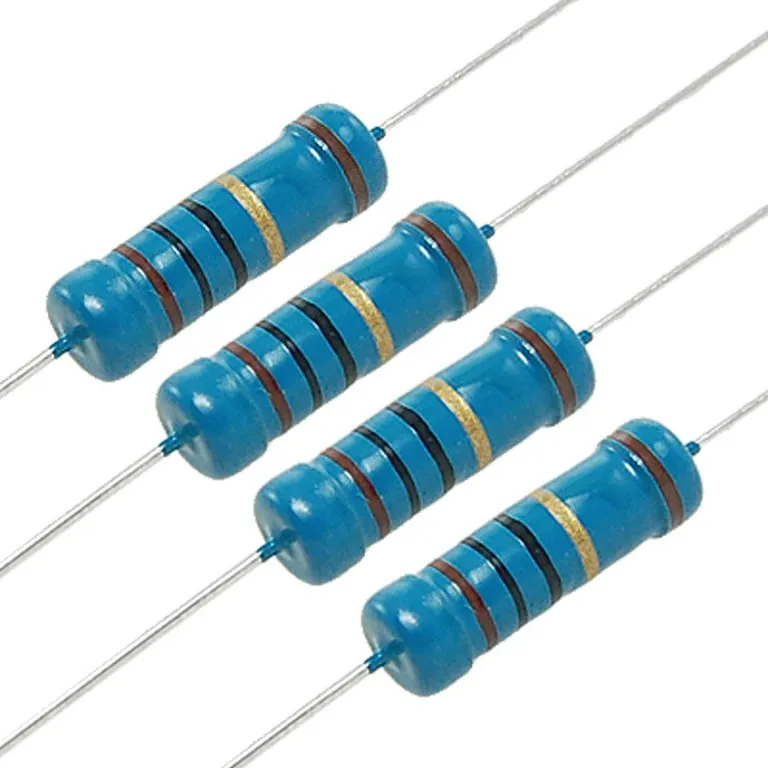
A close-up of a 10k ohm resistor.
10k Ohm Resistor

The price of a 10k resistor is not fixed and varies based on several key factors. Understanding these determinants is crucial for cost-effective purchasing and ensuring the correct component selection for your electronic projects. These factors include the resistor type (carbon film or metal film), tolerance, power rating, and the quantity purchased.

FactorDescriptionImpact on Price
Resistor Type (Carbon Film)Lower cost option with higher tolerance and temperature sensitivity.Generally less expensive.
Resistor Type (Metal Film)Higher precision with lower tolerance and better stability.Generally more expensive.
TolerancePercentage variation from the stated resistance value (e.g., 1%, 5%).Lower tolerance (e.g., 1%) typically increases price.
Power RatingMaximum power the resistor can dissipate without damage (e.g., 1/4W, 1/2W, 1W).Higher power rating generally increases price.
QuantityNumber of resistors purchased in a single order.Larger quantities typically lower the per-unit price.

10k Resistor Price Comparison by Retailer

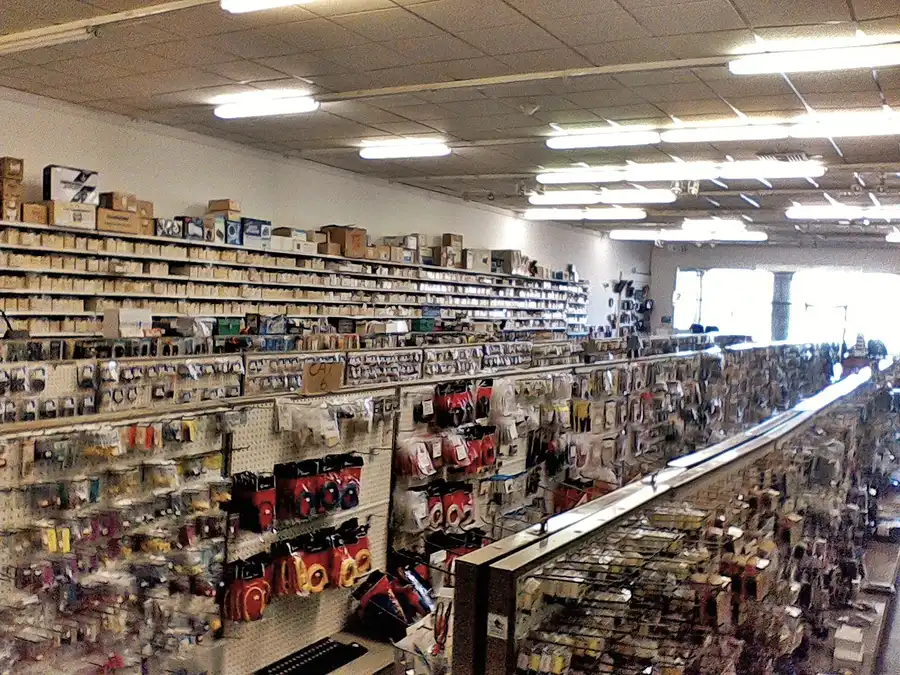
A shelf filled with various electronic components in a retail store.
Electronic Components Store

The cost of a 10k resistor can vary significantly depending on the retailer and the quantity purchased. This section provides a price comparison across various retailers, including major online platforms and specialized electronics suppliers, to help you find the most cost-effective option for your needs.

RetailerTypical Price (USD) per UnitPrice Variation FactorsBest Suited for
Amazon$0.05 - $0.20Wide range of sellers, varying quality and quantitySmall to medium-sized projects
Walmart$0.08 - $0.25Limited selection, mostly basic carbon film resistorsBasic DIY projects or hobbyists
Jameco$0.03 - $0.15Specialized electronics supplier, good for bulk ordersBulk purchases and professional projects
Adafruit$0.10 - $0.30Higher prices, focuses on maker/hobbyist market with quality productsHobbyist projects needing high quality or prototyping
Other Electronics Suppliers (e.g., Digikey, Mouser)$0.02 - $0.18Wide selection, competitive prices, good for professional useProfessional electronics or bulk ordering

The pricing above are estimates and can fluctuate based on current market conditions, promotional offers, and the specific product specifications. Always confirm current pricing on the retailer's website before making a purchase. Furthermore, shipping costs can also vary significantly between retailers, and should also be factored into the total cost.
Bulk Discounts for 10k Resistors: Saving Money on Larger Orders

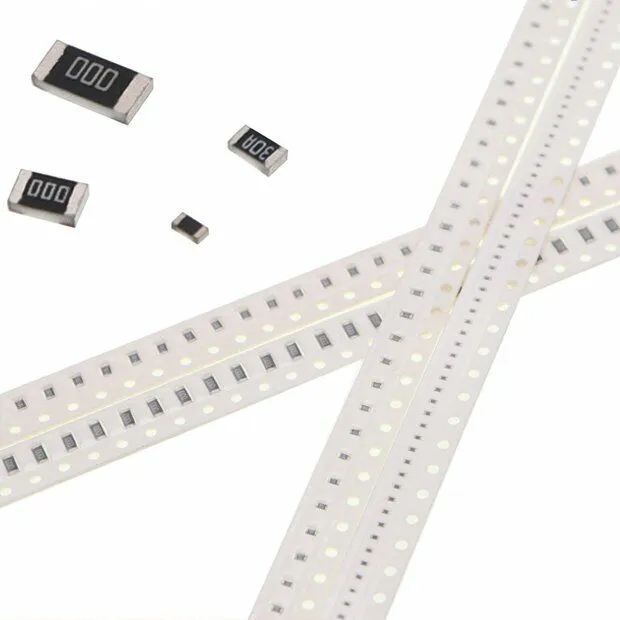
A reel of 10k ohm resistors on a workbench.
Reel of 10k Resistors

Purchasing 10k resistors in bulk quantities can dramatically reduce the per-unit cost, offering significant savings for projects requiring a large number of components. This section explores how volume discounts work and where to find the best deals for bulk orders.

Bulk purchasing isn't just about buying a larger quantity of items. It also involves understanding the nuances of the price tiers, the source of the components, and their authenticity. Manufacturers and distributors will often offer tiered pricing with breakpoints where prices decrease significantly as quantity increases.

  • Pricing Tiers
    Most suppliers offer tiered pricing. For example, a quantity of 100 might cost $0.10 each, while 1000 might reduce the price to $0.05 per resistor.
  • Distributors and Manufacturers
    Directly purchasing from distributors or manufacturers often yields the best prices for large orders compared to retail suppliers.
  • Platform Considerations
    Websites like Alibaba specialize in bulk sales. However, buyers should exercise caution to ensure quality and authenticity, and consider ordering samples first.

To illustrate the impact of bulk purchasing, consider a scenario where you need 5000 10k resistors. Buying 100 at a time might result in a total cost significantly higher than purchasing all 5000 at once from a distributor or directly from a manufacturer with established bulk pricing.

QuantityPer-Unit Price (Example)Total Cost (Example)
100$0.10$10.00
1000$0.05$50.00
5000$0.02$100.00

Carbon Film vs. Metal Film: Impact on 10k Resistor Prices

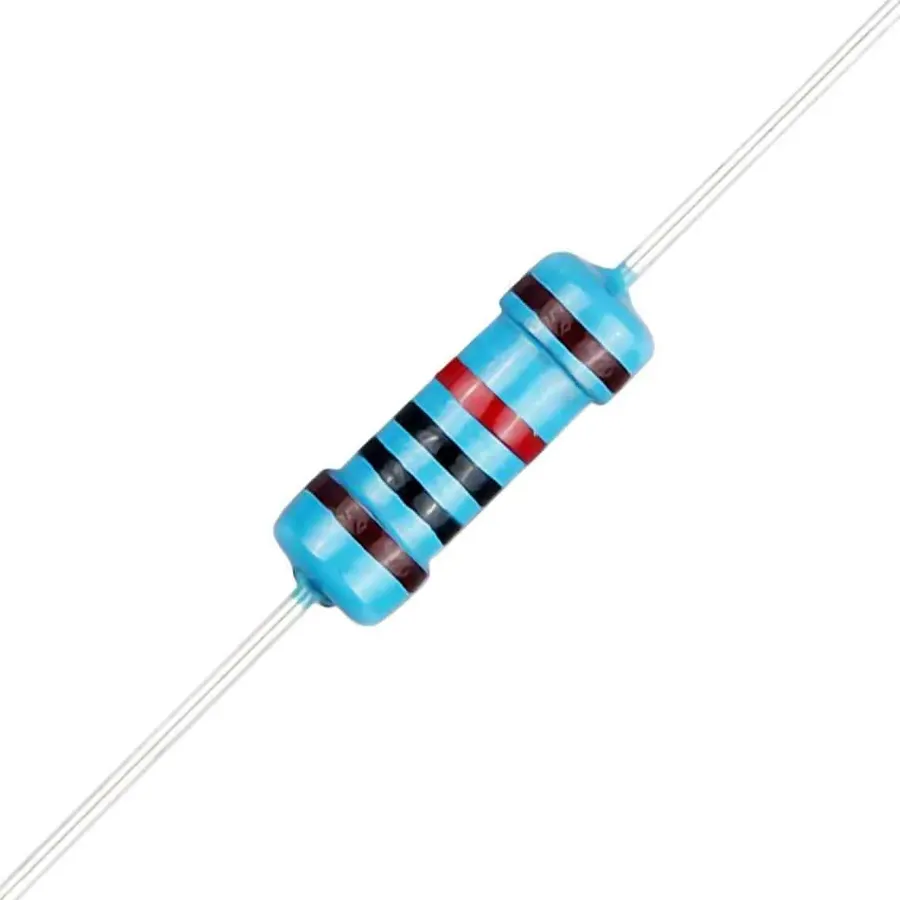
Close-up image of a metal film resistor.
Metal Film Resistor

The choice between carbon film and metal film 10k resistors significantly impacts both cost and performance. Carbon film resistors are generally less expensive but offer lower precision and stability compared to metal film resistors. Understanding these differences is crucial for selecting the appropriate resistor type for specific applications while optimizing cost.

FeatureCarbon Film ResistorsMetal Film Resistors
CostLowerHigher
ToleranceTypically 5% or 10%Typically 1% or 0.5%
Temperature CoefficientHigher, less stable over temperatureLower, more stable over temperature
NoiseHigherLower
ApplicationsGeneral-purpose, less critical applicationsPrecision applications, audio circuits, sensors
StabilityLower stability over time and temperatureHigher stability over time and temperature

The core construction differences directly lead to the variance in their characteristics and ultimately the 10k resistor price. Carbon film resistors are made by depositing a thin carbon film onto a ceramic substrate, which is then spirally cut to achieve the desired resistance. Metal film resistors utilize a more precise metal alloy film that is deposited and trimmed using laser technology, resulting in better tolerance and stability. Choosing the appropriate type requires careful consideration of the project's needs: precision and stability vs budget constraints. For low-precision, general purpose use, carbon film resistors are adequate. Where more precision and less thermal drift are critical, the added expense of metal film resistors is required.
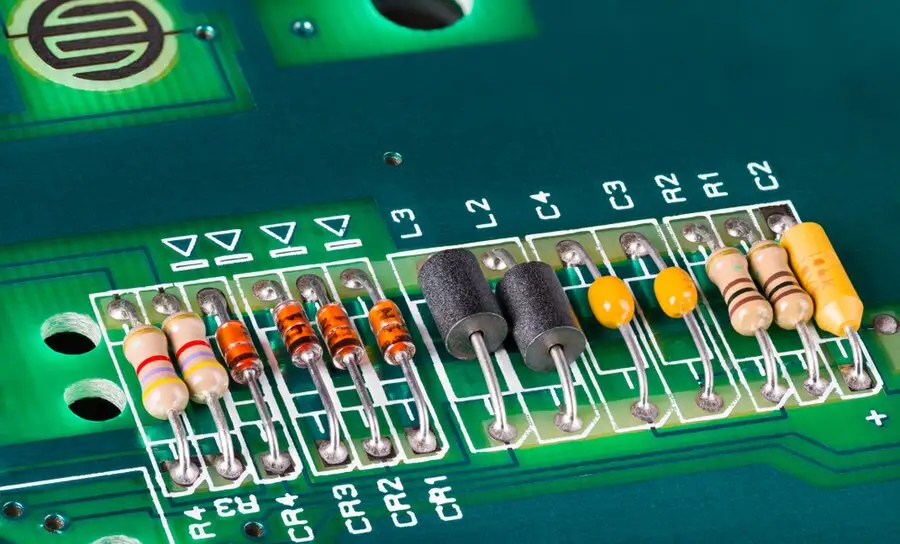
Tolerance and Power Rating: How They Affect 10k Resistor Price

Several resistors of different types soldered onto a circuit board.
Resistors on PCB

The price of a 10k resistor is directly influenced by its tolerance and power rating. These specifications dictate the resistor's precision and its ability to handle power, leading to variations in cost. Understanding these parameters is crucial for selecting the appropriate resistor for a given application and budget.

ParameterDescriptionImpact on PriceTypical ValuesApplication Considerations
ToleranceThe allowable deviation of the actual resistance value from the nominal value (10k ohms in this case).Lower tolerance (higher precision) generally increases the price.1%, 5%, 10%Precision circuitry requires lower tolerance resistors (e.g. 1%), while less critical applications can use higher tolerance (e.g. 5%)
Power RatingThe maximum power that the resistor can safely dissipate without overheating or damage.Higher power rating generally increases the price.1/8W, 1/4W, 1/2W, 1W, 2WApplications with high current or voltage require higher power ratings to prevent resistor failure.

In essence, the selection of a 10k resistor often involves balancing cost with application requirements. Higher precision (lower tolerance) and higher power handling capabilities come at a higher cost, while lower requirements allow for the use of more affordable components. It’s imperative to consider the specific project needs when making a purchasing decision to avoid unnecessary expense or performance issues.
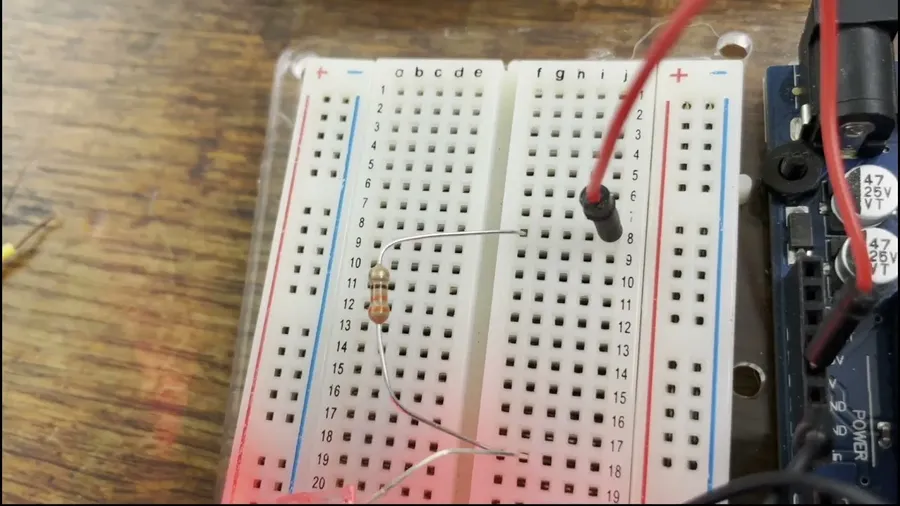
10k Resistor Applications: Why They're So Widely Used

A 10k resistor connected on a breadboard.
Resistor on Breadboard

10k resistors are ubiquitous in electronics due to their versatile nature, finding application across a wide array of circuit designs. Their moderate resistance value makes them ideal for various tasks, providing a balance between limiting current and not overly impeding signal flow. This section will explore some of their most common and crucial applications.

  • Pull-up and Pull-down Resistors
    10k resistors are frequently employed as pull-up or pull-down resistors in digital circuits. A pull-up resistor connects a signal line to a high voltage, while a pull-down resistor connects it to ground. These are crucial for establishing a defined logic state when the input is otherwise floating, preventing unintended behavior in digital systems. For example, an open input of a microcontroller is undetermined, so a 10k pull-up or pull-down resistor would ensure the input is either high or low respectively until actively changed by another circuit component.
  • Current Limiting
    While not their primary function, 10k resistors can be used for current limiting in certain low-current applications. When placed in series with a sensitive component, such as a small signal diode or base of a transistor, the 10k resistor limits the current to a safe value, preventing the component from overheating or damage. For example in an LED circuit a 10k resistor will significantly reduce the amount of current flowing, though usually lower values are preferred to get sufficient illumination, a 10k would be more suitable for very low current or signalling LEDs.
  • Voltage Division
    10k resistors are often utilized in voltage divider circuits. These circuits use two or more resistors in series to produce a fraction of the input voltage. A 10k resistor paired with another resistor creates a stable and predictable output voltage. This voltage division is a fundamental technique for analog circuits where the voltage must be scaled to a lower or intermediate value, and commonly used with sensors and reference voltages.
  • Sensor Interfacing
    Many sensor circuits incorporate 10k resistors. These could be as pull ups for an open collector sensor or in a voltage divider to scale the sensors voltage. Their moderate resistance value makes them suitable to many general sensor applications.

Frequently Asked Questions About 10k Resistors and Their Pricing

This section addresses common queries about 10k resistors, focusing on their value, pricing, applications, and suitability for various projects. We aim to provide clear, concise answers to help you understand these ubiquitous electronic components.
  • What is the resistance value of a 10k resistor?
    A 10k resistor has a resistance of 10,000 ohms. '10k' is a shorthand notation where 'k' represents kilo, meaning 1,000. This value is crucial for circuit design, as it determines how much current will flow through that part of the circuit according to Ohm's Law.
  • How much does a 10k ohm resistor typically cost?
    The price of a 10k ohm resistor can vary based on several factors, including the type (carbon film, metal film), tolerance, power rating, and purchase quantity. Generally, individual resistors are very inexpensive, often costing just a few cents each when bought in bulk. Prices from major retailers like Amazon, Jameco, or Adafruit would be slightly higher due to their overhead, and prices at Walmart are typically the highest. Be sure to compare and contrast all potential purchasing options.
  • What are the common applications of a 10k resistor?
    10k resistors are extremely versatile components used in various applications such as pull-up and pull-down resistors, which help define logic levels in digital circuits. They are also used in voltage dividers, current limiting, and in sensor circuits for analog signal conditioning, proving their value across a wide array of electronic designs.
  • Can a 10k resistor be used with LEDs?
    Yes, 10k resistors can be used with LEDs, but they are not typically the ideal value for current limiting, which is crucial to protect the LED. Typically, much lower values, such as those between 220 ohms to 1k ohm, are used to limit the current through an LED. A 10k resistor is typically too high a resistance for this purpose. The specific value required depends on the LED's forward voltage and the desired current.
  • What is the difference between carbon film and metal film 10k resistors and how does it affect their price?
    Carbon film resistors are generally cheaper, but they have higher tolerance and temperature coefficients, making them less precise than metal film resistors. Metal film resistors are more stable and accurate, leading to a higher price point, but they are typically preferred when precision is important.
  • How does the tolerance rating affect the price of a 10k resistor?
    Tolerance refers to how much the actual resistance can vary from the stated value. Resistors with tighter tolerance (e.g., 1%) are more precise and, therefore, typically cost more than those with higher tolerance (e.g., 5%). The choice of tolerance depends on the specific application; precise circuits may require tighter tolerance resistors, while less sensitive circuits can use resistors with a larger tolerance, thus impacting the price.
  • Where can I find the best price for a 10k resistor?
    For individual or small quantity purchases, online retailers like Amazon, Adafruit, and Jameco are good starting points, but be sure to shop around, since prices often fluctuate. For bulk purchases, consider suppliers such as Alibaba, which offers very competitive prices, but always make sure to consider shipping costs and seller reliability.

Practical Tips for Buying 10k Resistors

A shopping list for electronic components along with various resistors.
Electronic Component Shopping List

Securing the best price for 10k resistors involves more than just comparing listed figures; it requires a strategic approach to navigate the complexities of the electronics component market. This section offers actionable advice to optimize your purchasing process.

  • Verify Seller Ratings and Reviews
    Prioritize vendors with consistently high ratings and positive customer reviews. These metrics often reflect the reliability of the seller and the quality of their products, thus reducing the risk of receiving substandard components.
  • Factor in Shipping Costs
    Shipping costs can significantly impact the final price, especially for small quantity orders. Compare total costs, including shipping fees, to accurately assess the best deals. Some vendors may offer free shipping for larger orders, which can be advantageous for bulk purchases.
  • Compare Prices Across Multiple Platforms
    Utilize various online marketplaces such as Amazon, eBay, and specialized electronics component suppliers (e.g., Digi-Key, Mouser, Jameco) to gather diverse pricing information. Price variations are common, and a thorough comparison will help in making an informed decision. Furthermore, check if the seller offer price matching.
  • Understand Lead Times
    For projects with time constraints, the delivery timeline is crucial. Check the estimated delivery period to ensure that it aligns with your project timeline. Sometimes, a slightly higher price might be acceptable if it guarantees faster shipping and timely completion of the project.
  • Small Quantity Purchases
    For small projects, consider purchasing from local electronics stores or online retailers that specialize in smaller component packs. Some vendors offer smaller packaging of resistors which can be more cost effective than large bags.
  • Large Quantity Orders: Consider Bulk Purchasing
    If your needs include more than 100 resistors, explore opportunities for bulk discounts. Contact the vendors directly to negotiate prices. The cost per unit decreases dramatically when ordering larger quantities. Always verify that the bulk purchased items are within specifications.
  • Negotiate with Suppliers Directly
    For large projects, contacting vendors directly can provide more personalized support, including better pricing and custom delivery plans. This is especially beneficial if the quantities needed are significant or if ongoing supply is required. Look for vendor partnerships.
  • Beware of Counterfeit Parts
    Buy from reputable and authorized distributors to avoid counterfeit components. Counterfeit parts often fail to meet technical requirements, resulting in reliability issues and costly rework. Be particularly cautious when buying from unfamiliar vendors or at prices significantly below market averages.

In conclusion, understanding the various factors influencing the 10k resistor price is vital for making informed purchasing decisions. From different suppliers and volume discounts, to materials and precision, variations can significantly impact cost, although the typical 10k resistor price can be very low for single pieces, while purchasing in larger quantities can drive the cost down even more. Whether you're a hobbyist, student, or professional engineer, knowing how to navigate these factors ensures you get the best value for your electronic project needs. With this knowledge, you can confidently source 10k resistors at the best possible price for your projects, ensuring both quality and cost-effectiveness.


Anypcba