
As the consumer electronics market demands increasingly compact and resilient designs, the vaping industry is hitting a technological inflection point. Moving beyond bulky, legacy rigid boards, manufacturers are embracing rigid-flex PCB technology to redefine form factors. In this analysis, we explore why transitioning to these sophisticated circuits is no longer a luxury, but a requirement for those looking to dominate the next generation of vaping hardware.
The Evolution of Vaping Hardware Architecture
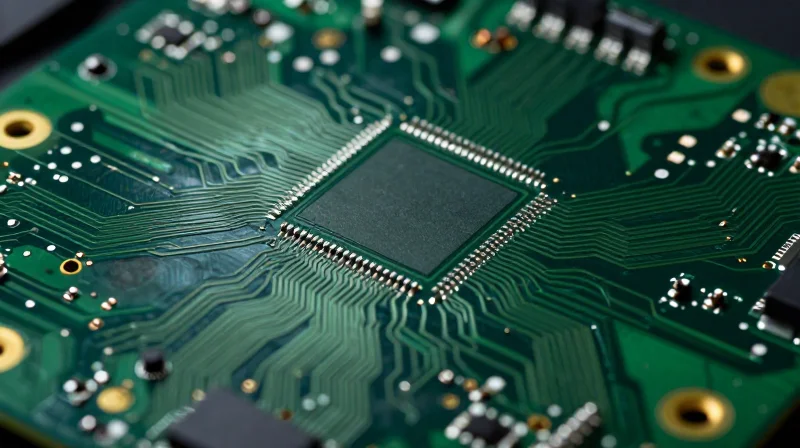
From Legacy Rigid PCBs to High-Density Interconnects
The evolution of vaping architecture has been defined by a move away from standard FR4 rigid boards toward High-Density Interconnect (HDI) and Flexible Printed Circuit Board (FPCB) technologies. Initially, vape devices relied on simple, discrete components soldered onto large, static substrates. As consumer demand for sleeker, pocket-sized devices grew, engineers pivoted to multi-layer rigid-flex architectures that allow for complex circuitry within constrained volumes.
Technical Evolution Comparison
| Feature | Legacy Architecture | Modern Micro PCBA |
|---|---|---|
| Board Material | Standard FR4 Rigid | HDI & Flexible Polyimide |
| Component Density | Low/Moderate | Ultra-High |
| Form Factor | Bulky/Fixed | Customizable/Compact |
| Integration | Discrete Components | System-on-Chip (SoC) |
Key Drivers of Micro PCBA Adoption
- Why is miniaturization critical?
Smaller footprints enable larger battery capacities within the same device casing, significantly extending operational runtime. - What role does thermal management play?
Modern Micro PCBAs incorporate integrated heat dissipation layers, reducing thermal stress on sensitive components during high-wattage usage. - How does integration impact reliability?
By utilizing System-on-Chip (SoC) architectures, manufacturers reduce the number of solder joints, which minimizes failure points and enhances overall durability.
The integration of precision-engineered microcontrollers directly onto the substrate has shifted the paradigm from mere power regulation to intelligent, software-defined vapor delivery. This architectural leap provides the necessary foundation for advanced safety features, such as dry-hit detection and precise temperature control, that define the next generation of vaping hardware.
Understanding Rigid-Flex Circuit Technology
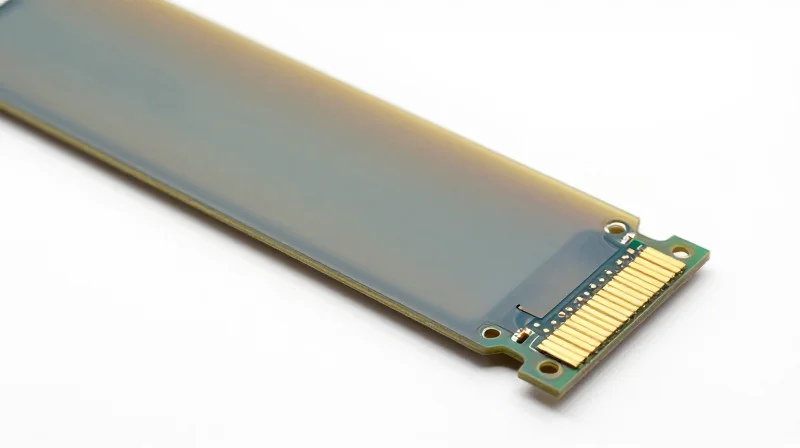
The Architecture of Rigid-Flex Integration
Rigid-flex PCBs consist of multiple layers of flexible circuit substrates internally tied to rigid board sections. In modern vaping devices, this hybrid construction allows designers to eliminate bulky board-to-board connectors and ribbon cables, which are frequent failure points due to thermal cycling and mechanical vibration. By utilizing a continuous conductive path from the battery interface to the heater control module, manufacturers significantly reduce the device's overall footprint while increasing the integrity of signal transmission.
Comparative Analysis: Traditional vs. Rigid-Flex
| Feature | Traditional Rigid PCB | Rigid-Flex PCBA |
|---|---|---|
| Connectivity | Mechanical Connectors | Integrated Continuous Paths |
| Space Efficiency | Moderate | High (3D Configuration) |
| Reliability | Lower (Vibration Sensitive) | High (Stress Resistant) |
| Thermal Management | Limited | Superior Heat Dissipation |
Why Rigid-Flex is Essential for Next-Gen Vaping
As vaping devices incorporate more advanced sensors—such as airflow monitoring, haptic feedback, and OLED display interfaces—the internal volume available for electronics has shrunk. Rigid-flex technology allows for 'folded' board geometries, enabling components to be placed in areas of the chassis that were previously inaccessible, thus maximizing battery capacity without sacrificing feature density.
- How does rigid-flex technology improve device longevity?
By replacing soldered connectors and ribbon cables with a monolithic flexible transition, the PCB eliminates high-resistance connection points that degrade over time due to thermal expansion and contraction. - Is rigid-flex manufacturing cost-prohibitive for disposables?
While unit costs are higher than standard rigid boards, the reduction in assembly time, elimination of cable components, and decrease in warranty-related failures make it an increasingly viable solution for premium long-life and rechargeable devices. - Does the flexibility affect the integrity of the traces?
Modern polyimide-based substrates are engineered to withstand thousands of flex cycles, ensuring that signal integrity remains consistent even when the PCB is folded to fit ergonomic device enclosures.
The Competitive Edge: Miniaturization and Ergonomics

The Shift Toward Ultra-Slim Form Factors
Miniaturization in the vaping industry is no longer merely about aesthetic appeal; it is a fundamental reconfiguration of internal architecture. By leveraging high-density interconnect (HDI) technologies and miniaturized components, manufacturers are transitioning away from bulky, linear board layouts toward dense, multi-layered micro-PCBA assemblies. This reduction in the PCB footprint directly enables the creation of slimmer profiles, allowing devices to mimic the tactile feel of traditional writing instruments or slim portable electronics, significantly enhancing portability and discrete usage.
Optimizing Ergonomics Through Flexible Topology
Ergonomics is redefined when hardware is no longer constrained by the rigid, rectangular limitations of standard circuit boards. Flexible circuitry allows engineers to wrap components around battery cells or adapt the internal structure to the organic contours of a device chassis. This spatial efficiency maximizes the volumetric density of the device, permitting larger battery capacities in smaller casings while simultaneously improving the weight distribution for a more balanced, intuitive grip.
| Feature | Traditional PCBA | Micro-Flexible PCBA |
|---|---|---|
| Component Density | Low | High |
| Spatial Efficiency | Fixed/Rigid | Conformable/Optimized |
| Chassis Impact | Bulky/Blocky | Slim/Ergonomic |
| Durability | Stress-prone | Vibration/Impact Resistant |
Technological Advancements and Future Outlook
- How does miniaturization impact device reliability?
While smaller, modern Micro PCBA designs utilize advanced surface-mount technology that is often more vibration-resistant than bulky, soldered through-hole components, ensuring long-term device longevity. - Will ultra-slim devices sacrifice power?
No; in fact, micro-PCBA designs free up internal volume, allowing for more efficient battery placement and the use of high-energy-density cells that maintain or exceed current power delivery standards. - What role does thermal management play in small form factors?
Miniaturization requires sophisticated heat dissipation strategies, including the use of thermally conductive board substrates and intelligent power management ICs to prevent localized hotspots in compact chassis designs.
Durability and Thermal Management Advantages
Enhancing Structural Integrity Through PCBA Miniaturization
Modern micro-PCBA designs leverage high-density interconnect (HDI) technology and structural reinforcement to eliminate traditional failure points. By integrating components directly into the device chassis and utilizing rigid-flex transitions, engineers have successfully mitigated the risk of solder joint fractures caused by mechanical shock or daily wear. This architectural shift ensures that internal components remain shielded even during accidental drops or consistent environmental stress.
Thermal Management and Heat Dissipation Efficiency
As device footprints shrink, thermal density becomes a critical challenge. Modern PCBAs utilize advanced thermal vias and thermally conductive substrates to wick heat away from sensitive ICs and battery management systems. This proactive thermal management not only prevents component degradation but also maintains optimal vapor consistency by preventing overheating at the atomization interface.
| Metric | Legacy Design | Advanced Micro-PCBA |
|---|---|---|
| Thermal Resistance | High (Heat Trapping) | Low (Integrated Heat Sinking) |
| Failure Points | Mechanical Solder Strain | Structural Stress Distribution |
| Component Density | Low (Bulky Components) | High (HDI Integration) |
Frequently Asked Questions
- How does reduced PCB size contribute to durability?
Smaller footprints allow for better internal damping and clearance, reducing the impact of mechanical vibrations on sensitive electronic components. - What role do thermal vias play in vaping device longevity?
Thermal vias provide a path for heat to escape from the board, reducing the thermal load on the battery and microcontroller, which extends the operational lifespan of the entire unit.
Reducing Production Costs Through Design Efficiency

The Economics of Front-Loaded Engineering
While advanced micro PCBA architectures often require higher initial NRE (Non-Recurring Engineering) costs, they create significant economies of scale. By utilizing high-density interconnect (HDI) technologies and consolidated board layouts, manufacturers can eliminate redundant components and simplify the complex assembly steps that traditionally drive up labor costs and manual error rates.
Cost Impact Comparison: Legacy vs. Optimized Design
| Cost Driver | Legacy Multi-Board Systems | Integrated Micro PCBA |
|---|---|---|
| Assembly Labor | High (Manual wiring/soldering) | Low (Automated SMT processes) |
| Component Count | High (Discrete parts) | Low (Consolidated SoC/SiP) |
| Failure Rate | Moderate (Interconnect points) | Very Low (Reduced solder joints) |
| Time-to-Assembly | Slow | Rapid |
Minimizing Quality Escape and Warranty Overhead
Integrating rigid-flex circuits and miniaturized components directly reduces the number of physical interconnects, which are the primary failure points in vaping devices. By shifting from legacy interconnect methods to a singular, robust board ecosystem, manufacturers achieve a higher First Pass Yield (FPY), drastically reducing the costs associated with rework, scrap, and warranty fulfillment.
Frequently Asked Questions
- Does higher design complexity increase per-unit cost?
Not necessarily; while initial design costs are higher, the reduction in assembly steps, smaller component footprints, and improved yields often lead to a lower total cost of ownership over the product lifecycle. - How does PCB integration reduce manufacturing overhead?
Integration allows for highly automated Surface Mount Technology (SMT) production lines, reducing the need for manual cable management and complex housing assembly, which are significant labor cost centers. - Why are lower failure rates critical to profitability?
Failure rates directly impact reverse logistics, technical support staffing, and brand equity; reducing physical board complexity is the most effective way to ensure high reliability in a compact form factor.
Navigating the Supply Chain for Micro PCBAs
Selecting a Strategic Manufacturing Partner
Navigating the supply chain for micro PCBA-integrated vaping devices requires shifting away from generic contract manufacturers toward specialized micro-electronics facilities. As device dimensions shrink to sub-millimeter scales, the reliance on high-precision SMT (Surface Mount Technology) capabilities becomes a critical differentiator in market survival.
| Capability Metric | Legacy Assembly | Micro-Fabrication Partner |
|---|---|---|
| Placement Tolerance | ±50 microns | ±10 microns |
| Component Pitch | 0402 (Metric) | 01005 (Metric) |
| Quality Assurance | Sample Inspection | 100% AOI & X-Ray |
| Scalability Path | High manual labor | Full automation |
Vetting Micro-PCBA Manufacturers
When auditing potential manufacturing partners, the focus must shift from pure volume capacity to engineering rigor. The ability to handle ultra-fine pitch components and flexible substrates is non-negotiable for future-proof vaping designs.
- Does the facility use 3D Automated Optical Inspection (AOI)?
For micro-scale boards, 2D inspection is insufficient to detect coplanarity issues or microscopic solder bridging that lead to early device failure. - Is there in-house cleanroom capability?
Micro-PCBA fabrication is susceptible to dust and particulate contamination which compromises device performance and safety; an ISO-certified cleanroom is a mandatory requirement. - How does the partner handle rapid prototyping?
Agility in moving from prototype to NPI (New Product Introduction) is vital for the fast-paced vaping market; look for partners that offer seamless design-for-manufacturability (DFM) feedback loops.
Managing Risks in the Micro-Electronics Ecosystem
The supply chain for micro-electronics is notoriously fragile due to the concentration of specialized components. Companies must diversify their component sourcing strategies to avoid bottlenecks. Implementing a 'Dual-Source' strategy for critical chipsets—even at the cost of higher logistics complexity—is a prudent risk mitigation measure against the inherent volatility of the micro-PCBA component market.
Compliance and Safety in Next-Gen Designs
Integrating Safety into High-Density Architectures
As vaping technology migrates toward increasingly miniaturized printed circuit board assemblies (PCBAs), the risk of thermal runaway and electrical failure must be mitigated through proactive engineering rather than reactive testing. Maintaining regulatory compliance requires a 'safety-by-design' approach where advanced thermal management and fail-safe circuitry are embedded directly into the micro-scale layout.
Standardization and Regulatory Alignment
| Standard | Focus Area | PCBA Design Impact |
|---|---|---|
| ISO 13485 | Quality Management | Requires strict traceability of micro-components. |
| IEC 62133 | Battery Safety | Mandates protection circuitry in tight spaces. |
| RoHS/REACH | Material Compliance | Restricts hazardous substances in dense boards. |
Addressing Common Safety Challenges
- How does miniaturization affect circuit protection?
Reduced board space often threatens the integration of traditional fuse components; therefore, designers must move toward solid-state overcurrent protection and integrated IC-based safety monitors. - Can software replace physical safety components?
No; software-based monitoring acts as a secondary layer, but physical, hardware-level thermal cutoffs remain essential to meet international certification requirements under fault conditions. - How is electromagnetic compatibility (EMC) maintained in micro-designs?
Increased trace density elevates noise floors; high-precision PCB layering and proper shielding vias are required to ensure the device remains compliant with global RF interference standards.
Ensuring compliance is a continuous process that begins during the schematic phase. By utilizing automated optical inspection (AOI) and advanced 3D X-ray systems during the prototyping stage, manufacturers can identify latent structural weaknesses that could lead to non-compliance, ensuring that innovation does not come at the cost of consumer safety.
Future-Proofing Your Brand in a Crowded Market
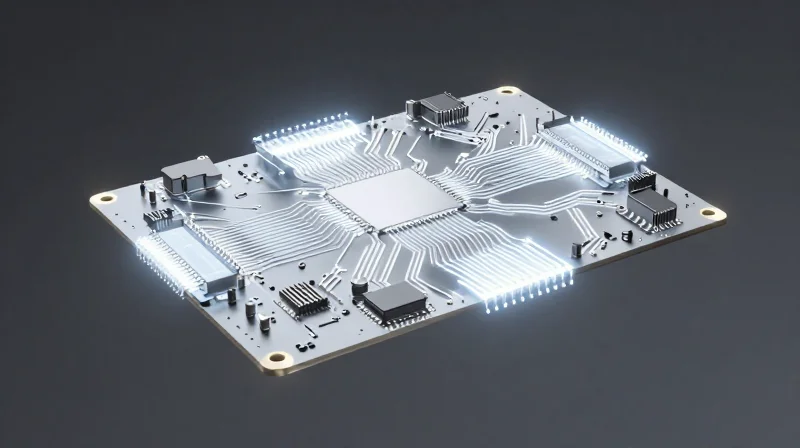
Establishing Authority Through Precision Engineering
In a market defined by rapid commoditization, brand authority is no longer built on marketing claims alone; it is forged through the technical excellence of the hardware. By integrating high-density micro PCBA designs, brands demonstrate a commitment to precision, enabling superior thermal management and consistent power delivery. Early adoption of these technologies transforms a vaping device from a simple consumable into a sophisticated instrument of user satisfaction, effectively setting a barrier to entry that imitators cannot easily replicate.
Strategic Competitive Advantages
| Feature | Legacy Design Impact | Micro PCBA Competitive Advantage |
|---|---|---|
| Form Factor | Bulky, restricted aesthetics | Ultra-slim, ergonomic integration |
| Failure Rates | High due to thermal stress | Low through optimized heat dissipation |
| Regulatory Risk | Harder to verify component paths | High visibility for compliance audits |
Frequently Asked Questions on Hardware Differentiation
- How does PCB density improve consumer trust?
Higher density allows for advanced protection circuits that prevent overheating, short-circuiting, and battery instability, directly correlating to a safer user experience. - Is the cost of micro-fabrication justified for mass-market devices?
Yes, while upfront R&D costs are higher, the long-term reduction in warranty claims, return rates, and manufacturing defects creates a significantly healthier profit margin. - Does hardware innovation impact brand perception?
Absolutely; users equate modern, responsive hardware with a premium brand identity, distinguishing it from low-cost, disposable-grade alternatives.
The transition to rigid-flex circuit technology represents a critical milestone in the evolution of vaping devices. By prioritizing miniaturization and robust engineering today, your brand can set the standard for tomorrow’s consumer expectations. Contact our engineering team to discuss how we can integrate micro PCBA solutions into your next product development cycle.
