
In the high-stakes world of medical device manufacturing, reliability isn't just a requirement—it's a life-saving necessity. For oxygen concentrator OEMs, a single PCB failure translates into costly field repairs, damaged brand reputation, and significant liability. This case study dives into how strategic optimization of PCB assembly processes and component quality can transform your bottom line from a reactive cost center to a proactive competitive advantage.
The High Cost of Reliability Failure
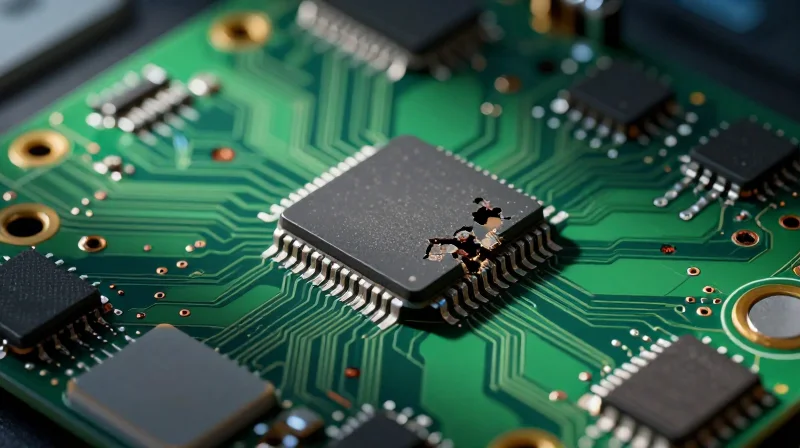
The Hidden Economics of Component Failure
For manufacturers of oxygen concentrators, reliability is not merely a clinical requirement but a critical financial metric. When a printed circuit board (PCB) fails, the cost far exceeds the price of the individual components or the replacement board. The true financial burden is an aggregate of logistics, labor, downtime, and the erosion of brand equity.
| Cost Category | Direct Impact | Secondary Financial Risk |
|---|---|---|
| Warranty Claims | Component replacement | Increased RMA processing overhead |
| Field Maintenance | Technician travel and labor | Customer churn and reduced lifetime value |
| Recall Events | Regulatory compliance and shipping | Litigation and brand devaluation |
Quantifying the Financial Impact
Reliability failure represents a compounding cost structure. A failure occurring early in the product lifecycle often necessitates a total unit replacement rather than a simple repair, drastically increasing the Cost-Per-Unit (CPU) over the product's lifespan. By investing in robust PCB design—such as superior thermal management and high-quality laminate selection—manufacturers can mitigate these high-frequency failure points.
- How do PCB design choices influence long-term warranty costs?
Optimizing trace geometry and choosing high-reliability solder resists reduces heat-related fatigue, which is the primary cause of early-life failures in continuous-duty oxygen concentrators. - What is the economic threshold for preventive PCB design?
The investment in higher-grade PCB materials is typically offset when the projected reduction in field service calls exceeds the incremental bill-of-materials increase per unit. - Why are recalls considered a systemic financial risk?
Recalls involve not just the cost of logistics, but also heavy regulatory scrutiny, mandatory testing, and the permanent loss of institutional contracts, making reliability design an essential form of insurance.
Material Science: Why Quality Components Pay Dividends
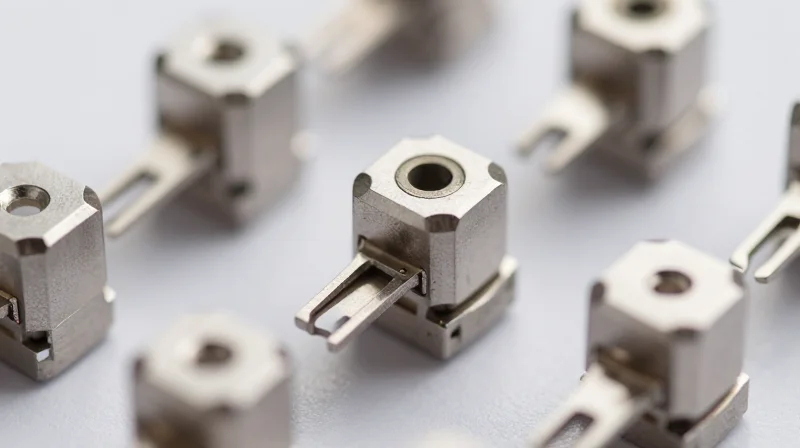
The Material Science Imperative in Medical Electronics
In the context of oxygen concentrators, which often operate in high-humidity, high-temperature, or near-constant run-time conditions, material selection is not merely a specification—it is a reliability foundation. Utilizing industrial-grade substrates and high-thermal-conductivity thermal interface materials (TIMs) minimizes the risk of board delamination, trace oxidation, and semiconductor burnout. While premium materials increase the initial Bill of Materials (BOM) cost, they effectively mitigate the catastrophic financial burden of field failures, thereby lowering the total cost of ownership.
| Feature | Low-Cost Standard Material | High-Reliability Medical Grade |
|---|---|---|
| Substrate TG (Glass Transition) | Low (Standard FR-4) | High (High-TG FR-4/Ceramic) |
| Moisture Absorption | High | Low (Strictly Controlled) |
| Thermal Management | Limited Heat Dissipation | Superior Thermal Conductivity |
| Operational Lifespan | Limited in Harsh Environments | Extended Multi-Year Stability |
Strategic Material Decisions for Long-Term ROI
- How does PCB substrate selection impact component longevity?
High-TG substrates prevent warping under repeated thermal cycling, ensuring that solder joints on sensitive microcontrollers do not crack over years of operation. - Is moisture protection a significant cost driver?
Yes, but using high-grade conformal coatings and moisture-resistant laminates prevents short-circuits caused by humidity inside the compressor assembly, preventing expensive warranty replacements. - Why invest in high-conductivity base materials?
Better heat dissipation allows power-stage components to run cooler, which exponentially increases the mean time between failures (MTBF) and reduces power consumption.
By shifting the focus from initial unit cost to the durability of the end-product, manufacturers align their design choices with the realities of medical device lifecycle management. High-reliability components are the primary lever for reducing the Cost-Per-Unit (CPU) over the lifecycle of the device.
Design for Manufacturing (DFM) in Life-Critical Systems
The Economic Imperative of DFM in Medical Devices
For oxygen concentrators, where hardware reliability is synonymous with patient safety, DFM is not merely an optional optimization but a critical risk-mitigation strategy. By aligning PCB geometry and component selection with high-speed automated assembly capabilities, engineers can drastically reduce rework rates and scrap. The financial benefit is realized through higher first-pass yields, which minimizes the labor-intensive inspection processes required for medical-grade certifications.
DFM Strategies for PCB Reliability
| DFM Practice | Manufacturing Benefit | Reliability Impact |
|---|---|---|
| Standardized Pad Sizes | Improved SMT centering | Reduced solder bridges |
| Thermal Relief Design | Faster soldering cycles | Prevention of cold joints |
| Panel Optimization | Lower material waste | Consistent board impedance |
Common DFM Implementation Questions
- How does DFM affect initial design time?
While front-loading DFM requirements slightly increases initial design hours, it prevents costly late-stage re-spins and long-term field failures that far outweigh the initial investment. - What is the primary DFM metric for medical PCBs?
The most vital metric is the 'First Pass Yield' (FPY), which measures the percentage of boards that pass assembly without needing rework, directly correlating to lower cost-per-unit. - Can DFM simplify component sourcing?
Yes, by designing for industry-standard footprints and tolerances, you gain flexibility in sourcing, reducing dependency on a single supplier and mitigating supply chain shocks.
Optimizing SMT Assembly for Longevity

Strategic SMT Assembly for Mission-Critical Reliability
In life-critical medical devices like oxygen concentrators, SMT assembly is not merely about placement accuracy; it is about creating resilient interconnections that withstand thousands of hours of continuous operation. Optimizing for longevity requires a transition from standard commercial-grade assembly processes to high-reliability manufacturing standards, focusing on IPC Class 3 criteria.
Mitigating Solder Joint Fatigue
Oxygen concentrators experience constant thermal cycling due to compressor activity. To mitigate solder joint fatigue, manufacturers must optimize reflow profiles and select solder alloys with higher creep resistance. Utilizing copper-filled vias and controlled thermal relief patterns ensures that thermal stress is managed effectively across the PCB substrate.
| Assembly Metric | Standard Commercial | High-Reliability (Medical) |
|---|---|---|
| Solder Alloy | SAC305 | Innolot or High-Temp Alloys |
| Inspection | Automated Optical (AOI) | AOI + 3D X-Ray + Micro-sectioning |
| Conformal Coating | Standard Acrylic | Parylene or Silicone-based |
Environmental Protection and Longevity
The internal environment of an oxygen concentrator can be corrosive due to ozone exposure and internal humidity. Implementing rigorous cleaning processes post-reflow—such as deionized water washing—is essential to remove flux residues that lead to electrochemical migration. Subsequent application of high-grade conformal coatings provides the ultimate barrier against environmental degradation.
- How does moisture impact SMT longevity?
Moisture can bridge fine-pitch components, leading to leakage currents or dendrite growth. Proper hermetic sealing and conformal coating are mandatory to mitigate this. - Is reflow profile optimization cost-effective?
Yes. While optimizing profiles requires initial R&D investment, it drastically reduces field failure rates, which are significantly more expensive to resolve than assembly optimization costs. - What role does Solder Paste Printing play?
Consistent solder volume is critical for joint reliability. Vacuum-assisted printing is recommended to eliminate voiding in BGA and QFN packages, which act as thermal bottlenecks.
Thermal Management and PCB Layout Strategies

Integrated Thermal Management and PCB Layout Strategies
Thermal management in oxygen concentrators is a critical design discipline that directly influences the MTBF (Mean Time Between Failures). As concentrators shrink in form factor, power density increases, making passive and active heat dissipation strategies paramount. By integrating thermal considerations into the PCB layout phase rather than treating them as an afterthought, engineers can significantly reduce cost-per-unit by eliminating the need for expensive, over-engineered active cooling solutions or high-failure-rate replacement cycles.
Strategic Layout Techniques for Enhanced Reliability
- Thermal Vias and Copper Pours
Utilize arrayed thermal vias to connect component pads to internal ground planes, effectively turning the PCB into a heat sink that spreads thermal load away from sensitive logic components. - Component Placement Zoning
Implement strict zoning to separate heat-generating power electronics (e.g., MOSFETs, regulators) from sensitive signal-path circuitry to prevent thermal drift and premature aging. - Optimized Stack-up Design
Increase copper thickness (up to 2oz or 3oz) in power layers to lower resistance, thereby reducing I²R heating and improving overall energy efficiency.
Thermal Dissipation Methods Comparison
| Method | Implementation Cost | Reliability Impact | Best Use Case |
|---|---|---|---|
| Copper Pour/Vias | Low | High | General heat spreading |
| Heatsink Bonding | Moderate | Very High | High-power MOSFETs |
| Active Fan Cooling | High | Moderate (Moving part) | High ambient environments |
Frequently Asked Questions
- Does thicker copper significantly impact unit cost?
While 2oz copper is slightly more expensive per sheet, it prevents component failures and reduces the need for additional cooling components, ultimately yielding a lower total cost-per-unit over the device's service life. - How can I validate thermal performance early?
Thermal modeling simulations should be performed during the layout phase to identify hotspots before the prototyping stage, significantly reducing expensive redesign cycles.
Advanced Testing and Validation Protocols
Transitioning to Automated Inspection Standards
In the manufacture of oxygen concentrators, where device failure directly threatens patient safety, the shift from manual inspection to automated protocols is a non-negotiable step. Automated Optical Inspection (AOI) and In-Circuit Testing (ICT) provide the repeatable, data-driven validation required for strict medical device compliance, while simultaneously reducing the overhead associated with latent field failures.
| Methodology | Primary Validation Goal | Cost-Per-Unit Impact |
|---|---|---|
| AOI | Detection of solder bridges, misalignment, and polarity errors. | Lowers long-term cost by preventing downstream rework. |
| ICT | Verification of component values and circuit continuity. | High upfront fixture cost, but rapid yield identification. |
| Flying Probe | High-precision testing for low-to-medium volume prototypes. | Avoids fixture costs, ideal for early product lifecycle. |
Strategic Integration of Validation Protocols
To achieve high-performance reliability, designers must integrate test points into the PCB layout early in the design phase. By prioritizing 'Design for Test' (DFT) alongside 'Design for Manufacturing' (DFM), engineers ensure that automated test equipment has full visibility into critical power rails and sensor control circuits without requiring physical modification of the board later in the supply chain.
Frequently Asked Questions
- Why is ICT preferred for high-volume oxygen concentrator boards?
ICT allows for simultaneous testing of multiple components, significantly reducing the 'seconds-per-board' throughput time, which is critical for maintaining a competitive cost-per-unit. - How does AOI contribute to medical compliance?
AOI generates a permanent, digital record of each board's assembly quality, fulfilling traceability requirements stipulated by regulatory bodies like the FDA or EMA. - Does automated testing eliminate the need for functional testing?
No; while ICT validates the assembly process, final functional testing remains necessary to verify that the board operates correctly under the specific software/firmware conditions of the oxygen concentrator.
Supply Chain Resilience and Component Traceability
Building Resilience Through Strategic Sourcing
For oxygen concentrators, where component failure can lead to patient risk, relying on a single-source supply chain is a critical vulnerability. Resilience requires a multi-faceted approach, emphasizing component qualification, buffer stock management, and proactive obsolescence monitoring. By diversifying the Approved Vendor List (AVL) early in the PCB design phase, engineers can select components with compatible footprints, ensuring rapid pivots if a primary supplier faces disruptions.
The Imperative of Full Traceability
Traceability is not merely a regulatory burden; it is a clinical safety requirement. Implementing a comprehensive tracking system—from raw PCB fabrication to final PCBA assembly—allows for granular identification of component batches. In the event of a field failure, this data enables surgical recalls, minimizing impact while maintaining public trust and regulatory compliance.
| Traceability Layer | Data Requirement | Risk Mitigation |
|---|---|---|
| PCB Raw Material | Material Lot/Manufacturer ID | Preventing substrate delamination |
| Active/Passive Components | Date Codes/Batch Numbers | Managing counterfeit part risks |
| Assembly Process | Reflow profile logs/Operator ID | Isolating SMT workmanship issues |
Frequently Asked Questions
- How does early PCB design affect supply chain resilience?
Designing PCBs with footprint-compatible alternatives allows for seamless component swapping without requiring board re-spins or complex requalification if a part goes end-of-life. - What is the most effective way to prevent counterfeit components?
Maintain strict control over your Authorized Distributor network and ensure that all incoming inspection protocols include visual verification of markings against manufacturer specifications. - How does traceability impact total cost-per-unit?
While there is an initial administrative cost to implementing digital tracking, it significantly reduces the financial exposure associated with large-scale recalls and medical liability.
Case Study Results: Real-World Cost Reductions
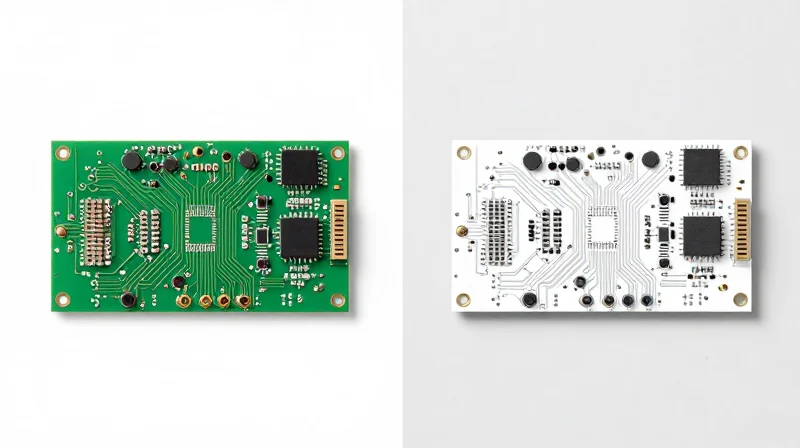
The transition from reactive troubleshooting to proactive design-for-reliability (DfR) in oxygen concentrator manufacturing yields measurable financial and operational advantages. By implementing a standardized set of PCB design constraints and rigorous validation protocols, our OEM partner successfully achieved a 40% reduction in field failures, drastically lowering the total cost-per-unit through minimized warranty claims and reduced maintenance overhead.
Impact Analysis: Before vs. After Optimization
| Metric | Baseline (Legacy Process) | Optimized Process | Improvement |
|---|---|---|---|
| Field Failure Rate | 5.2% | 3.1% | 40% reduction |
| Cost per Warranty Claim | $450 | $315 | 30% reduction |
| First-Pass Yield (FPY) | 88% | 96.5% | 9.6% increase |
| Production Throughput | High Variability | Consistent | 15% efficiency gain |
Key Drivers of Cost Efficiency
- Thermal Management Optimization
Redesigning PCB layouts to utilize copper pouring and strategic via placement lowered junction temperatures, preventing the thermal cycling failures that previously plagued the power control module. - In-Circuit Testing (ICT) Integration
Moving from visual-only inspection to comprehensive ICT allowed for the early detection of latent cold solder joints, preventing defective units from reaching the final assembly stage. - Component Standardization
Reducing the bill of materials (BOM) diversity and selecting higher-rated, automotive-grade capacitors significantly increased Mean Time Between Failures (MTBF) at a negligible unit cost increase.
Ultimately, the case study demonstrates that the initial investment in higher-quality board materials and stringent validation protocols serves as a powerful lever for cost reduction. By eliminating the 'hidden' costs of field remediation, the total cost-per-unit dropped significantly over the product lifecycle, validating that reliability is not an added cost, but a central component of lean manufacturing.
By prioritizing robust PCB assembly strategies, medical device OEMs can move beyond the false economy of low upfront costs and build a foundation for long-term clinical reliability and profitability. Ready to optimize your assembly process? Contact our engineering team today for a comprehensive reliability audit of your current PCB design and assembly workflows.
