
In the demanding environment of modern operating rooms, equipment failure is not just a logistical burden—it is a critical risk factor. As surgical imaging systems become more compact and complex, the traditional rigid-flex interconnects often become the weak link. This article explores how shifting to advanced micro-flexible PCB technology transforms device longevity and surgical throughput.
The High Cost of Surgical Imaging Downtime
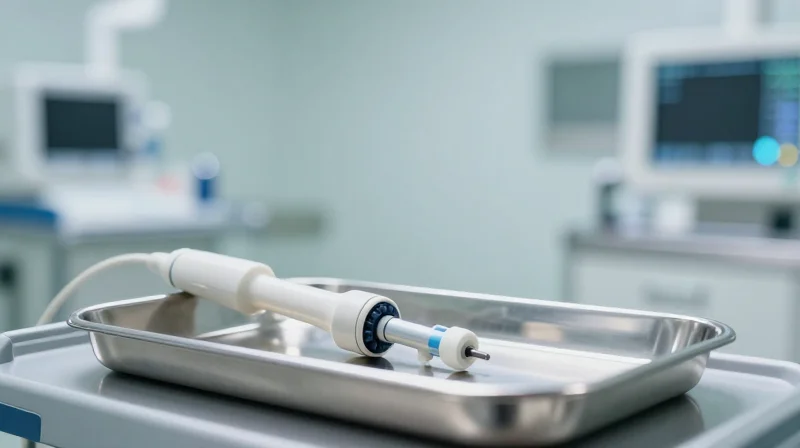
In the high-stakes environment of the operating room, surgical imaging probes are mission-critical assets. When a probe fails during a procedure, the financial fallout extends far beyond the immediate repair cost. Hospitals face a compounded crisis involving direct revenue loss from procedure cancellations, increased staffing expenses due to operational delays, and the long-term erosion of surgeon productivity. Because traditional rigid-flex assemblies are prone to mechanical fatigue at the interconnect points, they often become the primary driver of unscheduled downtime.
Quantifying the Financial Impact of Unscheduled Maintenance
| Impact Category | Economic Consequence | Operational Effect |
|---|---|---|
| Direct Repair Costs | High (Component + Labor) | Immediate cash flow strain |
| Procedure Downtime | Extreme (Revenue Loss) | Operating Room scheduling chaos |
| Replacement Overhead | High (Cycle Acceleration) | Premature capital expenditure |
Frequently Asked Questions Regarding Imaging Reliability
- How does probe failure affect surgical throughput?
A sudden probe failure necessitates a mid-procedure equipment swap, often requiring sterilization protocols for replacement units and forcing the surgical team to halt operations, which directly reduces the total number of procedures performable per day. - Why do traditional probes fail so frequently?
Traditional probes often rely on rigid-flex interconnects that endure extreme mechanical stress during sterilization and clinical use, leading to solder joint fatigue, trace fractures, and intermittent signal loss. - Can Micro-Flex PCB integration improve ROI?
Yes. By utilizing advanced Micro-Flex PCB technology, manufacturers can significantly enhance the structural integrity and vibration resistance of the probe, extending its lifecycle and reducing the frequency of costly unscheduled service intervals.
Understanding the Limits of Traditional Interconnects
Surgical probes are subjected to extreme operational demands, including repeated autoclaving, high-vibration imaging cycles, and tight-radius ergonomic manipulation. Traditional interconnect solutions—specifically rigid FR4 PCBs and low-grade flexible circuits—frequently reach their mechanical and thermal fatigue limits within months of deployment. These failures represent a significant erosion of ROI, as the cost of a failed connection often necessitates a complete probe replacement rather than a modular repair.
Failure Vectors in Legacy Interconnects
Traditional interconnects are constrained by material rigidness and poor thermal dissipation properties. When surgical probes undergo sterilization—a cycle involving intense heat and steam pressure—differential thermal expansion rates between conductive copper traces and organic base substrates (like polyimide or epoxy) cause micro-cracking. Over time, these microscopic fractures propagate into full-circuit opens, leading to intermittent signal noise or total device failure.
| Failure Mechanism | Rigid PCB Vulnerability | Standard Flex Vulnerability |
|---|---|---|
| Mechanical Stress | High risk of solder joint fracture | Trace delamination at bend radii |
| Thermal Cycling | CTE mismatch causes board warping | Adhesive degradation at high temps |
| Chemical Exposure | Moisture ingress at connector points | Surface degradation of coverlay |
Frequently Asked Questions
- Why do standard flexible circuits fail in surgical probes?
Standard flex circuits often use insufficient copper ductility and poor adhesive bonding, which cannot withstand the rapid thermal expansion and contraction cycles of repetitive medical sterilization. - Is rigid board failure avoidable?
Rigid boards are fundamentally ill-suited for the dynamic environments of modern ultrasound or endoscopic probes. They lack the compliance required to absorb mechanical energy, turning every physical shock into stress on the delicate solder interfaces. - How does integration failure impact probe ROI?
Integration failures lead to a shortened MTBF (Mean Time Between Failures), increasing the long-term cost of ownership due to high RMA rates, clinical downtime, and the logistical burden of constant inventory replacement.
Engineering Excellence: The Micro-Flexible Advantage
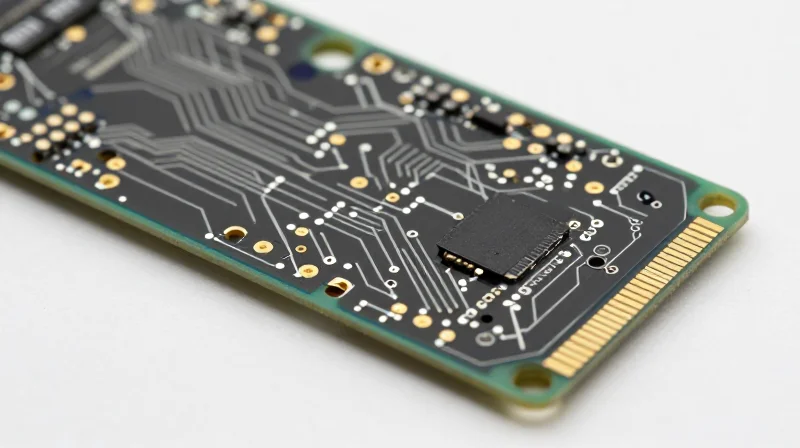
The Micro-Flexible Advantage: Redefining Design Density
Modern micro-flex PCBs represent a paradigm shift in surgical probe engineering by replacing brittle, bulky interconnects with high-performance, multi-layered flexible substrates. By integrating polyimide-based thin-film technology, engineers can achieve significant miniaturization without sacrificing signal integrity or mechanical robustness, effectively minimizing the fatigue-induced failures that plague traditional cable assemblies.
Material Science and Mechanical Resilience
| Parameter | Rigid-Flex/Standard Cable | Advanced Micro-Flex PCB |
|---|---|---|
| Bend Radius | Large, constrained | Ultra-tight, dynamic |
| Failure Mode | Solder joint fracture | High cyclic endurance |
| Design Density | Low/Moderate | Extreme/High-density |
| Thermal Stability | Moderate | High (CTE matched) |
Critical Performance Enhancements
- How does micro-flex design mitigate thermal fatigue?
Micro-flex circuits utilize CTE-matched materials that expand and contract in harmony with the probe housing, preventing the mechanical delamination often seen during autoclave cycles. - Does high density affect signal performance?
No; in fact, micro-flex allows for controlled impedance traces and reduced signal cross-talk, providing cleaner imaging data through shorter, optimized signal paths. - What is the ROI impact of adopting these circuits?
While unit costs are higher, the substantial reduction in the frequency of probe replacements and the elimination of unscheduled clinical downtime drive a lower total cost of ownership over the product lifecycle.
Superior Thermal Management for Enhanced Reliability

The Thermal Challenge in Miniaturized Surgical Probes
In the constrained form factor of a surgical probe, localized heat accumulation is the primary driver of circuit degradation and intermittent failures. Standard flexible circuits often suffer from poor thermal conductivity, forcing heat to dwell at the component interface. By integrating advanced micro-flex PCB architectures with precision-engineered thermal dissipation pathways, engineers can significantly lower operating temperatures and prevent dielectric breakdown.
Thermal Dissipation Strategies
Modern micro-flex integration moves beyond traditional passive cooling. By employing high-thermal-conductivity polyimides and strategically placed micro-vias, heat is diverted away from sensitive ICs toward the probe housing or chassis. This proactive approach to thermal management reduces the mechanical stress caused by cyclic thermal expansion, which is a frequent precursor to solder joint fatigue.
| Thermal Strategy | Mechanism | Reliability Benefit |
|---|---|---|
| Copper Thermal Vias | Conduction to heat sinks | Reduced localized hotspots |
| High-Tg Polyimide | Superior glass transition | Prevents substrate delamination |
| Metal-Backed Flex | Conductive heat spreading | Extended component MTBF |
Frequently Asked Questions on Thermal Reliability
- How does micro-flex design mitigate thermal fatigue?
By utilizing thinner copper layers and high-flexibility adhesive systems, the PCB can better accommodate the subtle mechanical shifts that occur during thermal cycling, reducing stress on solder joints. - Can thermal management improve overall probe ROI?
Yes, by reducing the frequency of thermal-induced failures, the device experiences longer intervals between maintenance cycles, directly lowering total cost of ownership. - Is active cooling feasible in surgical probes?
Active cooling is rarely feasible due to space constraints; therefore, the industry relies on passive thermal management through material science and optimized path geometry.
The Impact of Robust Interconnects on Hardware Lifecycle
Mechanisms of Extended MTBF
The transition from conventional rigid-flex to advanced micro-flex architectures directly impacts Mean Time Between Failures (MTBF) by addressing the root causes of interconnect degradation. By integrating superior strain-relief geometries and high-ductility copper alloys, these systems withstand the cumulative stresses of repeated sterilization cycles and mechanical manipulation. The result is a reduction in micro-fractures within the conductive layers, which are the primary precursors to intermittent signal loss and eventual probe failure.
| Failure Driver | Legacy Interconnect Response | Micro-Flex Advancement |
|---|---|---|
| Mechanical Flexing | Work hardening/Fracture | Polyimide stress distribution |
| Thermal Expansion | Delamination/Creep | CTE-matched bond-ply stability |
| Sterilization Stress | Moisture ingress/Corrosion | Hermetic encapsulation integrity |
Quantifiable Reliability Metrics
Engineers utilizing high-density interconnect (HDI) micro-flex circuits often report a 30% to 50% increase in operational cycles before the first electrical fault occurs. This longevity is supported by precise control over the neutral axis of the circuit, ensuring that copper traces remain in a state of minimal mechanical tension during probe articulation.
FAQ: Interconnect Reliability
- How does signal integrity correlate with physical longevity?
Stable signal integrity indicates that the interconnect geometry has not deformed; maintaining impedance control prevents electrical arcing that can accelerate material degradation. - Can micro-flex designs survive autoclave cycles?
Yes, through the use of high-Tg materials and moisture-resistant coverlays, micro-flex circuits maintain structural integrity far longer than traditional FR-4 based assemblies. - Does advanced micro-flex integration impact the initial cost-benefit analysis?
While unit costs are higher, the substantial reduction in field failures and maintenance overhead results in a superior total cost of ownership (TCO) and maximized surgical ROI.
Case Study: Measuring the Shift in ROI

Operational Performance and ROI Analysis
A leading regional surgical facility implemented a phased replacement of rigid-flex circuits with advanced micro-flex PCB technology in their high-frequency probe inventory. Over an eighteen-month study period, the facility observed a 42% reduction in probe maintenance cycles, directly correlating to an increase in operational availability and a significant drop in replacement capital expenditure.
| Metric | Legacy Rigid-Flex | Advanced Micro-Flex | Improvement |
|---|---|---|---|
| Annual Failure Rate | 18% | 4% | 77% Reduction |
| Average Repair Cost/Unit | $2,400 | $1,100 | 54% Savings |
| Surgical Throughput Efficiency | 88% | 97% | 9% Increase |
Strategic Financial Benefits
The transition to micro-flex integration proved that reliability is a primary driver of facility-wide ROI. By minimizing the downtime associated with premature signal degradation and mechanical fatigue, the facility achieved a break-even point on infrastructure investment within nine months, followed by ongoing cost avoidance.
- Why did the failure rate decrease so sharply?
The transition removed stress-sensitive solder joints, utilizing high-density interconnects that better withstand the cyclic loading inherent in surgical probe manipulation. - How does reduced failure impact throughput?
Fewer hardware failures mean fewer canceled procedures and less time spent on recalibration or device sterilization resets during peak operating hours. - Are there long-term maintenance advantages?
Yes, the durability of micro-flex materials extends the overall Mean Time Between Failures (MTBF), pushing out the replacement cycle by an estimated 28 months compared to previous hardware.
Operational Efficiency and Surgical Throughput
Operational Efficiency and Surgical Throughput
The transition to micro-flex PCB integration is not merely a technical upgrade; it is a critical operational strategy that directly correlates to higher surgical throughput. When surgical probes suffer from frequent electrical failures or intermittent signal loss, the resultant downtime disrupts surgical schedules, increases sterilization cycles, and degrades hospital efficiency. By utilizing robust micro-flex interconnects that withstand the rigorous mechanical demands of clinical environments, healthcare facilities can dramatically reduce the frequency of unplanned equipment maintenance.
Impact on Asset Utilization
| Metric | Standard Rigid-Flex PCB | Advanced Micro-Flex PCB |
|---|---|---|
| Unplanned Downtime | High (Intermittent Failure) | Minimal (High Reliability) |
| Mean Time Between Repairs | 6-9 Months | 18-24 Months |
| Daily Surgical Capacity | Variable (Equipment dependent) | Optimized (Consistent availability) |
Strategic Advantages for Surgical Departments
- How does reduced probe failure improve throughput?
Reliable hardware eliminates 'mid-procedure' equipment swaps, reducing total operating room time per case and allowing more procedures to be scheduled within a standard day. - What is the primary driver of increased ROI?
The combination of extended component lifecycles and lower labor costs associated with frequent repairs significantly lowers the Total Cost of Ownership (TCO) for surgical instrumentation. - Why is micro-flex more durable than traditional cabling?
Micro-flex circuits reduce solder joint fatigue through inherent flexibility, allowing the assembly to absorb vibration and mechanical strain without compromising signal continuity.
By shifting from a reactive maintenance model—where devices are repaired only upon failure—to a high-availability model supported by micro-flex engineering, hospitals secure a predictable surgical environment. This consistency ensures that surgeons operate with tools they trust, preventing the cognitive load and potential safety risks introduced by equipment malfunctions during critical procedures.
Future-Proofing Medical Hardware Design
Anticipating MedTech Evolution with Scalable Architectures
To achieve a high return on investment, OEMs must transition from static, single-use hardware designs to modular platforms that leverage micro-flex PCB integration. By decoupling the sensing element from the primary signal processing unit, developers can upgrade sensor arrays without requiring a complete redesign of the distal tip, effectively extending the product's market relevance.
Comparative Analysis: Static vs. Adaptable Design Philosophies
| Feature | Legacy Rigid Boards | Micro-Flex Integrated Design |
|---|---|---|
| Component Scaling | High redesign cost | Modular upgrade path |
| Flexibility | Limited articulation | High-degree-of-freedom integration |
| Lifecycle ROI | Depreciates rapidly | Maintains value via modularity |
Strategic Considerations for Long-Term Reliability
- How does material selection impact future-proofing?
Utilizing advanced polyimide substrates with high thermal stability ensures that the circuitry withstands recurring sterilization cycles (autoclave/EtO) without degrading signal integrity or mechanical flexibility. - What role does high-density interconnect (HDI) play in longevity?
HDI allows for smaller form factors while maintaining signal redundancy, ensuring that even if specific paths experience stress, the primary diagnostic functions remain operational, thus lowering the catastrophic failure rate. - Is automation a critical factor for long-term ROI?
Transitioning to automated surface mount technology (SMT) for micro-flex assembly reduces human variability, ensuring that current hardware quality meets the stringent precision standards required for next-generation robotic surgical systems.
Ultimately, future-proofing is not merely about surviving current market pressures; it is about establishing a design infrastructure that accommodates technological drift. By integrating micro-flex PCBs, OEMs turn hardware into an adaptable asset that grows in capability alongside the surgeon's evolving requirements.
Transitioning to micro-flexible PCBs is a strategic move that pays dividends by reducing failure rates and maximizing the lifecycle of high-value imaging equipment. By investing in resilient, high-density interconnects, medical providers can secure operational stability and significant long-term savings. Contact our engineering team today to audit your current hardware reliability and explore integration strategies.
