
The personal mobility landscape is undergoing a silent revolution. As users demand greater independence and reliability, the hardware powering electric wheelchairs is evolving beyond traditional brushed motors into a sophisticated ecosystem of intelligent power electronics and precision control systems. This guide unpacks the cutting-edge innovations redefining what it means to be mobile in the modern era.
The Shift to Brushless Motor Control Systems
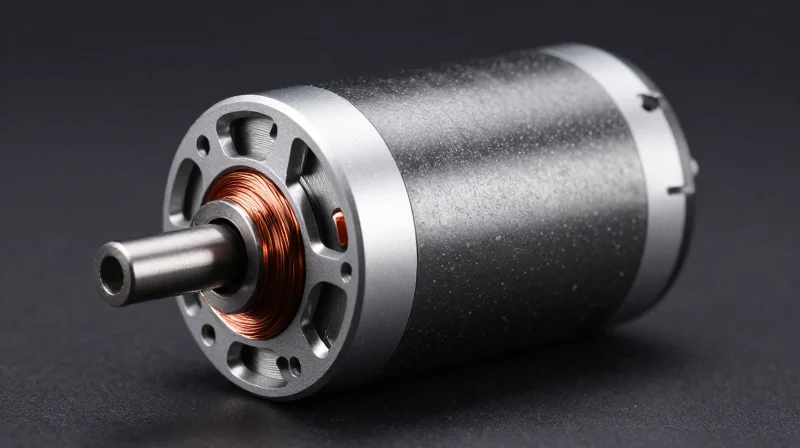
The Engineering Evolution: Moving Beyond Brushed Limitations
The traditional brushed DC motor has long been the industry standard for electric wheelchairs, primarily due to its simplicity and low initial cost. However, the physical contact required by mechanical brushes creates inherent limitations, including electromagnetic interference (EMI), frictional energy loss, and inevitable component wear. By shifting to brushless DC (BLDC) technology, manufacturers are replacing mechanical commutation with sophisticated electronic control. This shift not only eliminates the maintenance burdens associated with brush degradation but also allows for tighter integration between the motor and the electronic controller, enabling unprecedented levels of performance monitoring and safety.
Performance Comparison: Brushed vs. Brushless Systems
| Feature | Brushed Motor | Brushless (BLDC) Motor |
|---|---|---|
| Efficiency | 75-80% | 85-95% |
| Maintenance | High (Brush Replacement) | Minimal (No Brushes) |
| Torque-to-Weight | Low | High |
| Operational Life | Limited by Brush Wear | Long-term Reliability |
Why Brushless Controllers Matter for Modern Mobility
BLDC controllers utilize Field-Oriented Control (FOC) to provide silent, smooth, and highly efficient motor operation. This technology translates directly into improved user experience, as the higher torque-to-weight ratio ensures consistent speed even when navigating inclines or carpeted surfaces. Furthermore, because BLDC motors produce less heat, the lifespan of the entire hardware stack is extended, reducing the frequency of total chair replacements and lowering the long-term cost of ownership.
- How does BLDC technology impact battery life?
Brushless motors are inherently more efficient, converting more electrical energy into mechanical work and reducing waste heat. This leads to increased range on a single charge. - Are BLDC systems quieter than brushed systems?
Yes, because BLDC motors eliminate the mechanical 'brush-on-commutator' friction, they operate with significantly less noise and vibration, providing a smoother ride. - Does the shift require new control software?
Yes, moving to BLDC requires advanced electronic speed controllers (ESCs) capable of electronic commutation, which allows for advanced features like regenerative braking and programmable acceleration curves.
Intelligent Controllers: The Brain of the Wheelchair
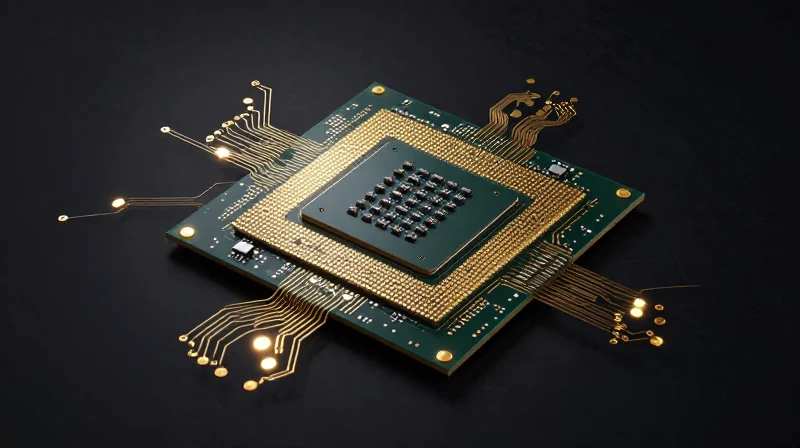
The Evolution of Intelligent Drive Profiles
The transition from analog potentiometers to digital, microprocessor-driven control units marks a paradigm shift in power mobility. Today’s intelligent controllers serve as the central processing unit, executing complex algorithms that interpret joystick input, sensor feedback, and motor performance data in milliseconds. By utilizing sophisticated Pulse Width Modulation (PWM) and Field Oriented Control (FOC), these devices allow for granular customization of acceleration curves, deceleration rates, and torque sensitivity.
Hardware Capability Comparison
| Controller Feature | Analog Controller | Modern Intelligent Controller |
|---|---|---|
| Processing Core | Fixed-logic circuitry | Embedded 32-bit Microcontroller |
| Adaptability | Static performance | Environmental/User-adaptive |
| Diagnostic Data | Basic LED codes | Real-time telemetry/Logging |
| Programmability | Physical jumper/Pot | Software-defined profiles |
Environmental Sensing and Adaptive Logic
Future-proofed mobility systems now incorporate predictive sensing. Through current-sensing shunts and motor Hall effect sensors, the controller can detect increased resistance—such as navigating an incline or rough terrain—and automatically adjust current output to maintain speed without user input. This closed-loop feedback mechanism ensures consistent handling across diverse surfaces, significantly reducing the cognitive and physical load on the operator.
Frequently Asked Questions
- How does an intelligent controller manage battery life?
Modern controllers use regenerative braking algorithms and efficient power-stage switching to minimize energy waste during deceleration and startup cycles. - Can drive profiles be customized for individual pathologies?
Yes, programmable controllers allow for non-linear joystick response curves, enabling technicians to dampen or sharpen sensitivity based on specific user motor control requirements. - Is remote diagnostic capability a standard feature?
While not yet universal, high-end intelligent controllers support Bluetooth or CAN-bus telemetry, allowing technicians to pull performance logs wirelessly to troubleshoot issues.
Semiconductor Innovations and Power Density
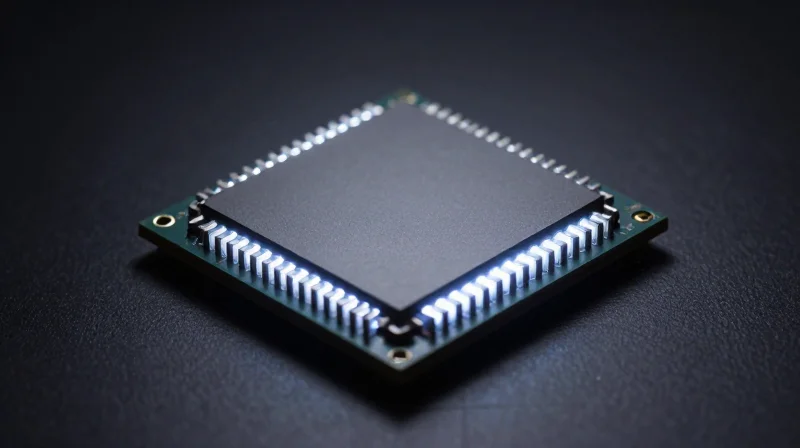
The Wide-Bandgap Revolution: GaN and SiC
Traditional silicon-based MOSFETs have long been the industry standard for motor controllers, yet they face inherent physical limitations regarding heat dissipation and switching speeds. The transition to wide-bandgap (WBG) semiconductors—specifically Gallium Nitride (GaN) and Silicon Carbide (SiC)—enables controllers to operate at higher voltages and temperatures while minimizing energy loss during switching cycles.
| Feature | Silicon (Si) | Gallium Nitride (GaN) | Silicon Carbide (SiC) |
|---|---|---|---|
| Thermal Conductivity | Standard | High | Very High |
| Switching Frequency | Moderate | Ultra-High | High |
| Voltage Rating | Baseline | Excellent (Low/Med) | Superior (High) |
| Footprint Size | Large | Minimal | Reduced |
Benefits for Power Density and Footprint
By replacing legacy silicon components, manufacturers can significantly shrink the physical size of power electronics modules. Because WBG materials are more efficient, they generate significantly less heat, allowing for smaller heatsinks or, in some cases, passive cooling. This reduction in volume directly benefits wheelchair design, facilitating more compact controller housings that can be integrated into the frame or hidden beneath seat bases without sacrificing peak performance.
Frequently Asked Questions
- Why do WBG semiconductors lead to longer battery life?
Lower switching losses mean more energy from the battery is converted into motor torque rather than dissipated as heat, effectively extending the operational range per charge. - Is the transition to GaN/SiC costly?
While the component cost for WBG materials is higher than standard silicon, the total system cost is often offset by the reduction in cooling requirements and the miniaturization of supporting circuit hardware. - Does higher power density impact reliability?
No; in fact, WBG semiconductors are more robust at elevated operating temperatures, which can lead to higher overall system reliability and longer service lives for the control module.
Advanced Thermal Management Strategies
Mitigating Thermal Throttling in High-Demand Scenarios
As electric wheelchair controllers move toward higher power density and integrated motor-drive architectures, heat dissipation becomes the primary constraint on performance. Thermal throttling—where the controller automatically reduces output power to protect sensitive electronics—often occurs during prolonged inclines or heavy-load operation. Mitigating this requires a synergistic approach combining passive materials science with active structural design.
Next-Generation Thermal Materials
The implementation of Phase-Change Materials (PCMs) represents a significant leap in thermal buffering. Unlike traditional heat sinks that rely solely on surface area, PCMs absorb thermal energy by undergoing a solid-to-liquid phase transition at a specific temperature. This capability allows the control unit to absorb transient heat spikes during acceleration or steep climbs without allowing the internal semiconductor junction temperature to spike beyond critical thresholds.
| Thermal Strategy | Primary Function | Best Use Case |
|---|---|---|
| Phase-Change Materials (PCM) | Thermal buffering/spikes | High-torque, short-duration demands |
| Micro-channel Heat Sinks | Convective cooling | Compact high-density controllers |
| TIMs (Thermal Interface Materials) | Surface contact optimization | Reducing junction-to-case resistance |
Optimizing Heat Sink Geometry
Beyond material selection, structural integration is crucial. Modern designs leverage chassis-integrated heat sinks where the wheelchair frame itself acts as a secondary heat spreader. By utilizing high-conductivity aluminum alloys and fin geometries optimized for natural convection in various mounting orientations, engineers can significantly reduce the weight of cooling modules while increasing the overall thermal mass of the system.
- Why does thermal management matter for user experience?
Consistent thermal control prevents power surges and unexpected drops in speed, ensuring reliable mobility regardless of environmental load. - How do GaN and SiC affect cooling requirements?
While these materials reduce switching losses and heat generation, they also increase power density, requiring more efficient localized heat extraction. - Is active cooling (fans) viable for medical wheelchairs?
Active cooling is typically avoided due to noise, dust ingress risks, and power consumption, favoring passive thermal management and ruggedized enclosures.
Sensor Fusion and Enhanced Safety Architectures
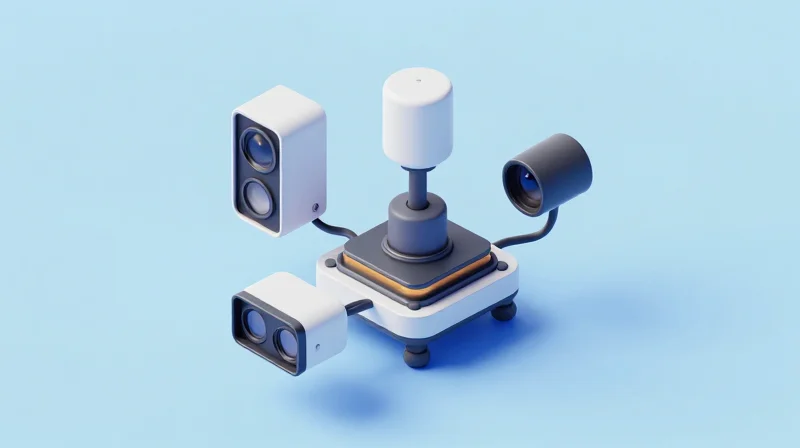
The Architecture of Multi-Sensor Fusion
Sensor fusion in electric wheelchair controllers involves the cohesive integration of data from LiDAR, ultrasonic transducers, and wide-angle computer vision cameras. By synchronizing these inputs, the controller creates a high-fidelity spatial map that tracks obstacles, terrain hazards, and proximity triggers in real-time, significantly reducing the cognitive load on the user.
Comparative Analysis: Safety Sensor Technologies
| Sensor Type | Primary Function | Limitation |
|---|---|---|
| LiDAR | Precise depth mapping | High power consumption |
| Ultrasonic | Close-range detection | Limited resolution |
| Stereo-Vision | Object classification | Light-level dependency |
Real-Time Diagnostic and Collision Avoidance
Modern safety architectures employ redundant processing loops that constantly monitor system health. If a sensor indicates a potential collision, the controller initiates a controlled deceleration or hard stop before the user can react. This proactive layer of safety is managed by hardware-accelerated inferencing engines that execute safety protocols within milliseconds of a detected hazard.
Frequently Asked Questions
- How does sensor fusion improve navigation in tight spaces?
By combining ultrasonic precision with camera-based spatial awareness, the controller can calculate optimal turning arcs that avoid clipping door frames or furniture. - Will these systems drain the battery faster?
Advanced controllers utilize dedicated low-power micro-controllers for sensor polling, ensuring the safety features have a negligible impact on overall operational range. - Can these safety features be overridden?
Yes, programmable drive profiles allow users to adjust sensitivity or temporarily disable specific assist features depending on the environment and their personal comfort level.
Hardware Reliability and EMI Mitigation
The Imperative of Hardware Resilience
Electric wheelchairs function as mobile, life-critical systems that must operate reliably in uncontrolled environments. Achieving long-term hardware resilience requires a multi-layered approach: ruggedizing components against physical shock, protecting sensitive logic circuits from moisture ingress, and, most importantly, insulating high-frequency digital signal processors from external electromagnetic interference.
EMI Mitigation Strategies
Modern controllers are susceptible to EMI generated by mobile devices, radio frequency transmitters, and even internal motor noise, which can result in erratic movement or controller resets. Robust mitigation involves both passive and active shielding architectures.
| Mitigation Technique | Implementation Strategy | Effectiveness |
|---|---|---|
| Faraday Enclosure | Conductive metallic housing surrounding the PCB | High: Blocks external RF fields |
| Differential Signaling | Twisted-pair routing for high-speed data buses | Medium: Cancels common-mode noise |
| Ferrite Suppression | Ferrite beads on power and I/O cabling | High: Attenuates high-frequency noise |
| Opto-Isolators | Galvanic isolation of control signals | Extreme: Prevents surges and ground loops |
Frequently Asked Questions on Reliability
- Why does EMI cause unexpected wheelchair motion?
EMI can induce false voltage spikes on control pins, which the processor interprets as legitimate joystick or sensor inputs, triggering unintended motor activation. - How does conformal coating improve hardware longevity?
Applying a specialized dielectric film protects circuit boards from humidity, oxidation, and conductive dust, effectively preventing short circuits in harsh climate conditions. - Is software filtering enough to handle EMI?
No; software-level debouncing and signal averaging are insufficient for safety-critical systems. Hardware-level shielding and filtering are mandatory to stop interference before it reaches the digital logic level.
Future-Proofing: The Role of Connectivity and Firmware
The Shift to Connected Mobility
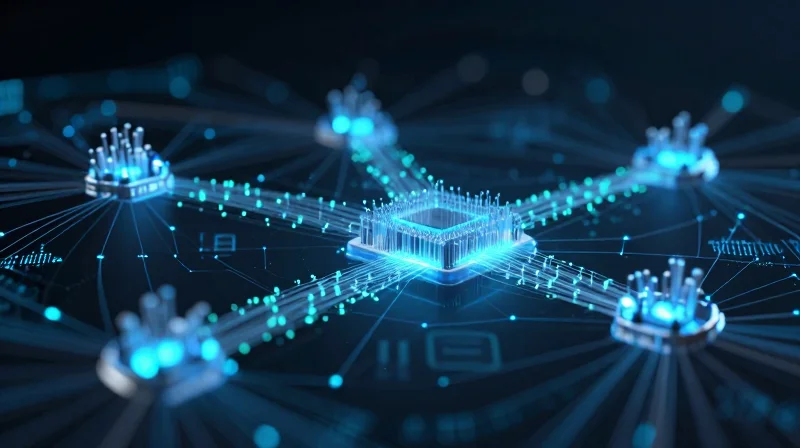
Modern wheelchair controllers are evolving from isolated hardware components into nodes within a larger, connected diagnostic network. By incorporating cellular or Wi-Fi connectivity, manufacturers can transition from traditional, localized servicing to a model defined by remote diagnostics and predictive maintenance. This connectivity ensures that controllers remain current with the latest performance optimizations, security patches, and user-specific configuration updates.
Over-the-Air (OTA) Updates and Firmware Lifecycle
Firmware reliability is the cornerstone of future-proofing. Through Over-the-Air (OTA) update capabilities, controllers can receive critical bug fixes and feature enhancements without requiring physical intervention at a service center. This minimizes downtime and extends the useful lifespan of the hardware by allowing manufacturers to refine drive algorithms or power management protocols post-deployment.
| Feature | Legacy Approach | Future-Proofed Approach |
|---|---|---|
| Diagnostics | Manual error code retrieval | Real-time remote cloud monitoring |
| Updates | Hardware replacement | Seamless OTA firmware delivery |
| Maintenance | Scheduled reactive service | Predictive AI-driven alerts |
Frequently Asked Questions
- How does IoT connectivity impact battery management?
Connectivity enables granular monitoring of cycle counts and discharge health, allowing the controller to optimize power output based on real-time battery chemistry data, ultimately extending range and service life. - Are OTA updates secure for critical medical devices?
Yes, implementation utilizes end-to-end encryption and dual-bank firmware memory, which ensures that if an update is interrupted, the device can safely revert to the previous verified operating version. - Does connectivity require user intervention?
The most advanced systems operate autonomously, pushing background updates or alerting service technicians to potential mechanical failures before they impact the user's mobility.
Comparative Analysis: Selecting the Right Controller Technology
Evaluating Controller Architectures
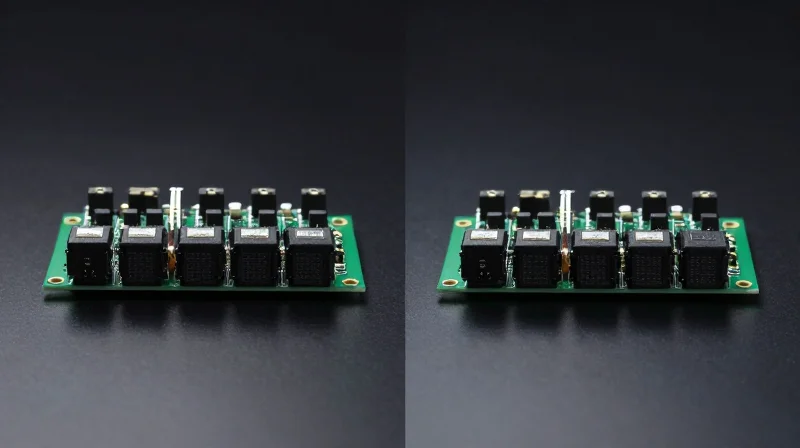
Choosing the right controller hardware is a multi-dimensional decision that balances immediate performance requirements against future-proofing needs. Stakeholders must evaluate the trade-offs between proprietary, specialized silicon and open, modular architectures. While application-specific integrated circuits (ASICs) offer superior energy density and optimized power curves, modular microcontroller units (MCUs) provide the flexibility required for rapid software iterations and feature expansion.
| Metric | Proprietary ASIC | Modular MCU | Hybrid SoM |
|---|---|---|---|
| Power Efficiency | Excellent | Moderate | High |
| Firmware Flexibility | Low | High | Very High |
| Development Time | Long | Short | Moderate |
| Cost-to-Benefit | High (Volume) | Low (Unit) | Balanced |
Key Decision Factors for Integration
To effectively future-proof mobility hardware, manufacturers should prioritize scalability. Systems must be evaluated not just on current peak power outputs, but on their ability to integrate future sensor suites and telemetric modules without requiring a complete hardware redesign.
- Why is thermal management critical?
As controllers integrate more processing power for collision avoidance, heat dissipation becomes the primary limiting factor for hardware lifespan; efficient thermal design prevents premature throttling. - How does EMI compliance influence hardware choice?
Controllers must adhere to strict IEC standards to ensure they function reliably near other electronic devices and do not compromise user safety in hospital or dense urban settings. - What is the role of modularity in cost management?
Modular designs allow for incremental upgrades to memory or processing speed, protecting the initial investment and delaying total system obsolescence.
Strategic Recommendations
For long-term viability, prioritize controllers that feature hardware-abstracted layers, allowing firmware to remain independent of specific sensor hardware. This decoupling ensures that as sensor technologies improve, manufacturers can update the software stack without modifying the core electronic architecture, ultimately extending the functional life of the mobility platform.
As the demand for high-performance mobility grows, embracing these technological advancements is essential for providing safe, reliable, and future-proof solutions. By prioritizing intelligent control systems and robust thermal design, we can significantly improve the user experience. Contact our engineering team today to learn how our latest controller modules can integrate into your next-generation mobility platform.
