In our increasingly technology-dependent world, printed circuit boards (PCBs) are the backbone of almost every electronic device. From the smartphones we use daily to complex industrial machinery, PCBs, made by various pcb circuit manufacturers, are indispensable. Selecting the right PCB circuit manufacturer is crucial to ensuring the quality and reliability of these vital components. This article aims to guide you through the process of choosing the ideal manufacturer, ensuring a smooth and successful journey from design to product.
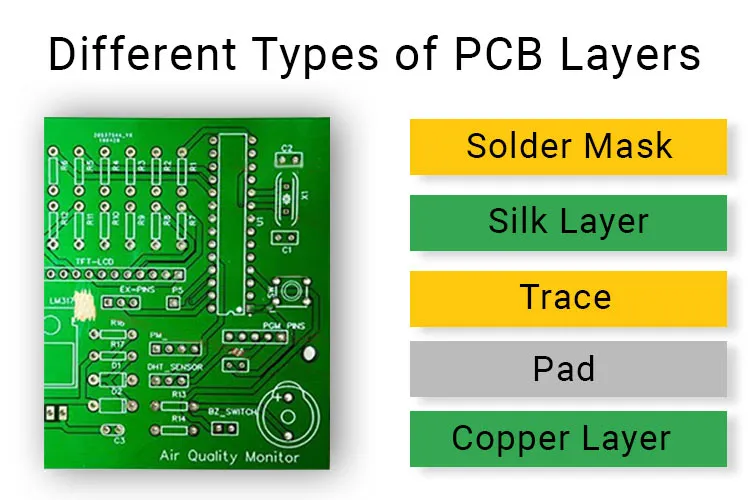
Before embarking on the selection of a PCB circuit manufacturer, a thorough assessment of your project's specific requirements is paramount. This initial step ensures that the chosen manufacturer aligns perfectly with the technical demands and scope of your project, ultimately leading to a successful and efficient production process. This section will guide you through the key considerations.
Accurately defining your PCB needs is crucial for several reasons. It allows you to effectively communicate your requirements to potential manufacturers, facilitates accurate quoting and avoids costly mistakes, and ensures that the final product meets the required performance criteria.
By considering these factors, you can narrow down potential PCB manufacturers. This process ensures that the selected manufacturer has the capability, expertise and equipment to satisfy your specific project needs. The more precise your definition, the smoother the production process and the more satisfactory the outcome.
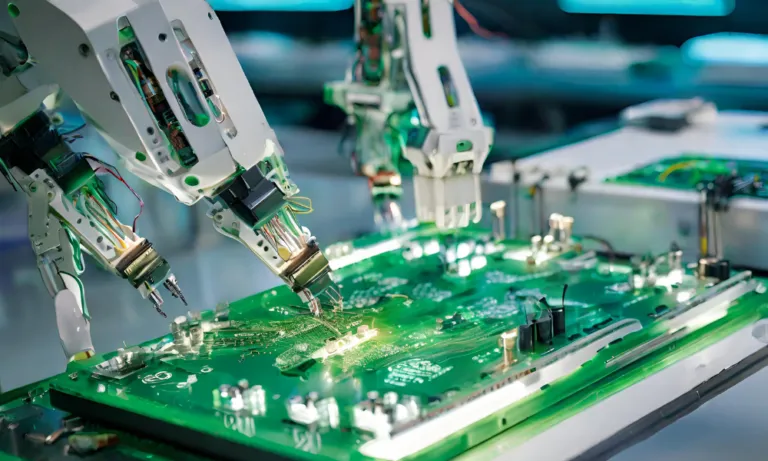
PCB manufacturers often specialize in distinct areas of production, each catering to different project requirements. Understanding these specializations is crucial for aligning your specific needs with the most suitable supplier. Manufacturers may focus on prototyping, mass production, or particular types of PCBs, which can significantly influence your project’s outcome.
These specializations often dictate the types of materials, production volumes, and technological expertise a manufacturer possesses. This section will explore common specializations to guide your selection process.
| Specialization | Typical Application | Key Feature | Suitability |
|---|---|---|---|
| Standard PCB | General electronics | Cost-effective, versatile | Low-complexity designs |
| Flexible PCB | Wearables, Automotive | Bendable, Lightweight | Dynamic, space-limited applications |
| Rigid-Flex PCB | Aerospace, Medical | Combined rigid and flexible | Complex interconnections |
| Metal Core PCB | LED Lighting, Power Electronics | Enhanced Thermal Management | High power applications |
| High-Frequency PCB | Radar, Communications | Low dielectric loss, controlled impedance | High-speed data, RF applications |
| Prototyping Focused | Initial development stages | Rapid turnaround, design flexibility | Small scale projects |
| Mass Production Focused | Large-scale production | Efficiency, cost reduction | Large quantity orders |
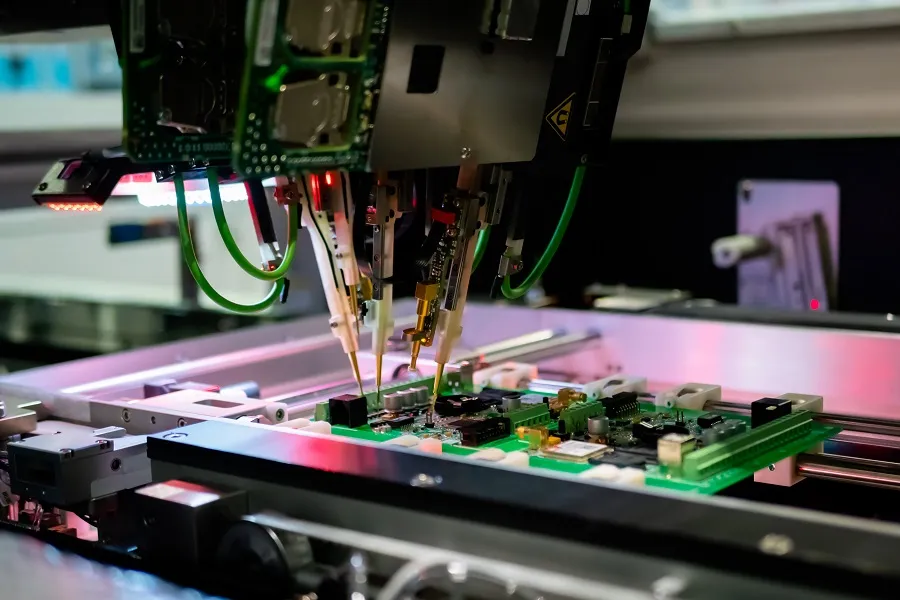
Selecting a PCB circuit manufacturer requires careful evaluation beyond just pricing. Assessing their capabilities, certifications, and technological proficiency ensures the delivery of high-quality, reliable printed circuit boards that meet your project's specific needs. A comprehensive evaluation minimizes the risk of production delays, quality issues, and ultimately, project failure.
| Capability | Importance | Key Considerations |
|---|---|---|
| Certifications (ISO 9001, etc.) | Ensures consistent quality and process control. | Look for certifications relevant to your industry. |
| Minimum Trace Width/Spacing | Affects the complexity and density of your design. | Match with your design requirements (e.g., higher density boards require finer features). |
| Layer Count | Determines board complexity and signal routing capability. | Choose a manufacturer capable of producing your required layer count. |
| Material Options | Impacts thermal and electrical performance. | Choose a material that meets your specific application needs. |
| DFM Services | Helps avoid manufacturing issues. | Check what DFM analyses the manufacturer can provide. |
| Equipment and Technology | Ensures high-quality production. | Confirm they have the right machinery and technology for your PCB type. |
| Technical Support | Facilitates good communication and problem-solving. | Ensure they have engineers to solve your problems quickly. |
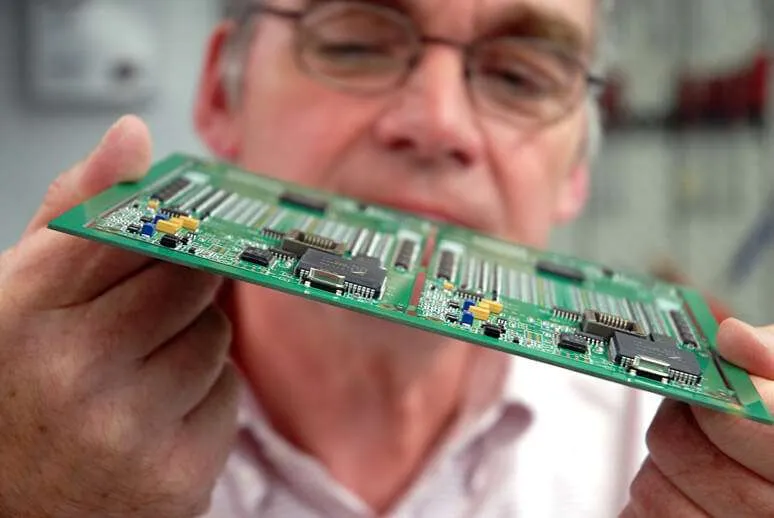
Rigorous quality control and comprehensive testing are not merely desirable, but absolutely essential in printed circuit board (PCB) manufacturing. These processes directly impact the reliability, performance, and longevity of the final product. A robust quality management system ensures that each PCB meets stringent specifications and operates flawlessly in its intended application.
The absence of adequate quality control can lead to a multitude of issues, including functional failures, premature degradation, and safety hazards. These problems can result in costly recalls, damaged reputations, and project delays. Therefore, selecting a manufacturer that demonstrates a strong commitment to quality is paramount.
| Testing Type | Description | Purpose |
|---|---|---|
| Automated Optical Inspection (AOI) | Automated visual inspection using cameras and image processing. | Detects surface defects, component placement issues, and solder joint quality. |
| In-Circuit Testing (ICT) | Electrical testing of individual components and connections. | Verifies the correct placement and functionality of components before board operation. |
| Functional Testing | Testing of the completed PCB within its target system environment. | Ensures that the complete assembly operates as intended. |
| X-Ray Inspection | Non-destructive testing using X-rays to see hidden defects. | Examines solder joints under components like BGAs and hidden layers. |
The combination of a well-defined quality control process and rigorous testing ensures a higher degree of product reliability and reduces the chance of failures once deployed in the field. It is essential that when selecting a PCB manufacturer, that these capabilities are robust and up to the task.
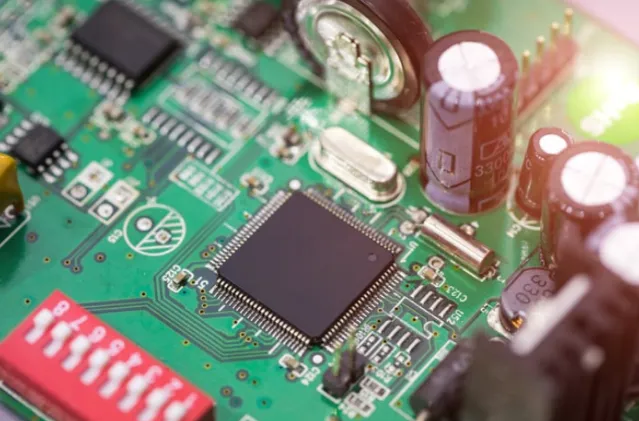
Cost is a pivotal factor in PCB manufacturing, extending beyond the initial quote to encompass long-term expenses like tooling, testing, and potential rework. A thorough evaluation of these factors is crucial for effective budgeting and avoiding unexpected costs.
Effective cost management in PCB manufacturing requires a holistic approach, considering not just the price per board, but also associated costs that can significantly impact the overall project budget. Transparent pricing from manufacturers is key, along with a willingness to negotiate based on project specifics.
| Cost Factor | Description | Impact on Budget |
|---|---|---|
| Initial Board Price | The cost per PCB unit, typically affected by quantity, complexity, and material type. | Directly impacts total cost, but should not be the only factor. |
| Tooling Costs | Charges for creating specific tools needed for manufacturing, such as stencils and fixtures. | Can be a substantial upfront expense, especially for unique board designs. |
| Testing Costs | Expenses associated with testing each board for functionality and quality. | Essential for reliability but adds to the overall cost. |
| Rework Costs | Expenses incurred when boards fail quality checks and need to be corrected. | Can significantly increase costs if quality is not assured. |
| Shipping Costs | Expenses for delivery of the final boards. | Can fluctuate based on supplier location and shipping method. |
| Material Costs | Cost of raw materials used in board production, such as substrates and laminates | Varies with materials type and market price changes |
| Set-up Fees | Initial costs for preparing the production line | Often applied to new orders and small production runs |
When comparing quotes from different manufacturers, it's important to ensure they include all potential costs. Be wary of quotes that seem unusually low, as they may exclude essential services or have hidden charges. A clear understanding of the pricing structure will facilitate accurate budget planning.
Negotiating with manufacturers is a normal and often necessary part of the process. Be transparent about your budget constraints and explore the possibility of price reductions for larger orders or long-term partnerships. Also, consider whether using standard material or reducing some tolerance or spec will help reduce the cost, without compromising product quality.
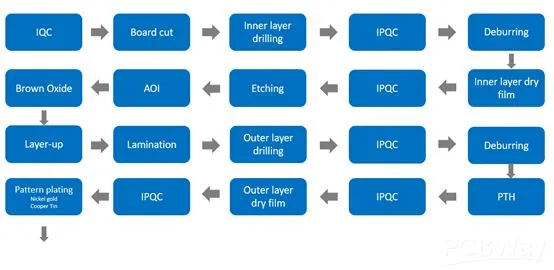
In today's rapidly evolving technological landscape, the time required to manufacture and deliver printed circuit boards (PCBs) is often a critical factor in project success. Understanding and managing turnaround time and lead times from PCB circuit manufacturers is essential for maintaining project timelines and avoiding costly delays.
Turnaround time refers to the duration from when a PCB manufacturer receives your design files to when the finished boards are ready to ship. Lead time, on the other hand, encompasses the entire duration from when an order is placed to when the product is received. Effective project management requires a clear understanding of both.
| Production Phase | Typical Turnaround Time | Considerations |
|---|---|---|
| PCB Prototyping | 2-7 Days | Faster turnaround times are possible for simpler designs with common materials. May vary based on manufacturer's processes and capacity. |
| Small Batch Production | 1-3 Weeks | Lead times may increase with complexity and material availability. Requires proper planning. |
| Mass Production | 3-8 Weeks | Complex boards and high volume requires more planning. Lead times will depend on material supply and capacity. |
It's also crucial to understand how manufacturers handle expedited orders. Some manufacturers offer faster turnaround options for an additional fee. If speed is of the essence, confirm these capabilities upfront and understand any associated cost implications. Transparent communication with your manufacturer is key to setting realistic expectations and planning accordingly.
A common issue is a disconnect between quoted and actual lead times. To mitigate this, ensure that timelines are clearly defined in the quote. Regularly touch base with the manufacturer to receive updates and clarify any potential delays as soon as they are detected. Good communication practices will help ensure your project is delivered on time.

The geographical location of your PCB circuit manufacturer can significantly impact project timelines, communication, and overall cost. Choosing between domestic and international manufacturers involves evaluating several trade-offs to align with your project's specific needs.
| Factor | Domestic Manufacturer | International Manufacturer |
|---|---|---|
| Communication | Often easier due to proximity and similar time zones. May involve face-to-face meetings. | Potentially more challenging due to language barriers, time zone differences, and less in-person interaction. |
| Lead Times | Generally shorter lead times due to reduced shipping distances and faster logistics. | Potentially longer lead times due to longer shipping distances and customs clearance. |
| Shipping Costs | Lower shipping costs due to shorter distances. | Higher shipping costs due to longer distances and potential tariffs. |
| Cost | May be higher due to domestic labor and operating costs. | May be lower due to lower labor and manufacturing costs. |
| Intellectual Property Protection | Potentially stronger due to domestic legal and business practices. | Requires careful due diligence to ensure compliance with international IP laws and agreements. |
| Quality Control | Easier to oversee and audit processes, with potentially greater oversight. | Requires more stringent due diligence and communication to maintain quality standards. |
Choosing a domestic manufacturer can be advantageous if you require quicker turnaround times, have stringent quality requirements, or prefer face-to-face interactions for design and development. Conversely, international manufacturers can provide more competitive pricing for larger-scale production runs or standard PCB designs, making them attractive for projects with tighter budgets. Some manufacturers have facilities in both domestic and international locations.
Ultimately, the optimal location of your PCB circuit manufacturer depends on the priorities and demands of each project. Careful consideration of communication, logistics, cost, quality, and intellectual property concerns is essential before making a decision. It may be beneficial to maintain relationships with both domestic and international vendors to leverage their specific advantages for different projects.
Choosing the right PCB manufacturer involves many considerations beyond simply finding a list of suppliers. This section addresses common questions, offering a structured approach to evaluating manufacturers based on your specific needs, rather than providing a potentially biased list of 'best' options.
| Question | Considerations |
|---|---|
| Turnaround Time | Compare lead times for prototypes, small batches, and mass production. Evaluate if expedited options are available. |
| Prototype Cost | Request quotes for specific design complexity. Understand tooling and setup costs. |
| Quality Control | Inquire about testing capabilities (AOI, X-ray), sampling plans, and certification procedures. |
| Manufacturing Capabilities | Assess technology (fine-pitch, blind/buried vias), material handling, and layer count limits. |
| Customer Support | Evaluate communication response times and technical support availability. |
| Minimum Order Quantity | Understand MOQ requirements for both prototyping and production. |
Finalizing your PCB manufacturer requires a thorough evaluation beyond initial assessments. This involves practical testing of their capabilities and a deeper understanding of their operational practices. It's essential to validate your top candidates through tangible methods before committing to large-scale production.
When testing your sample boards, consider these critical aspects:
A physical or virtual tour of the manufacturer’s facility should focus on these elements:
When contacting references, focus on asking relevant questions such as:
Choosing the right pcb circuit manufacturer is a crucial step in ensuring the success of any electronics project. By carefully considering factors such as your project's needs, manufacturer's capabilities, cost, turnaround time, and quality standards, you can select a partner that not only meets but exceeds your expectations. Remember to conduct thorough research, evaluate your options, and choose a pcb circuit manufacturer that aligns with your goals. This approach will contribute to the overall quality, reliability, and success of your final product, ensuring satisfaction with your electronic product while also enhancing the performance of your business. Ultimately, building a strong relationship with the right PCB circuit manufacturer can benefit your business for years to come.

