In today's dynamic technology landscape, flexible printed circuit boards (flex PCBs) are pivotal in designing innovative and compact devices. From wearable technology to medical equipment, the demand for flex PCBs is surging. Selecting the right flex PCB manufacturer is crucial for your project's success. This guide will navigate you through the key considerations, helping you to partner with a manufacturer that meets your specific needs and ensures high-quality, reliable results. Let's explore how selecting the right manufacturer can drive your technological innovations forward.
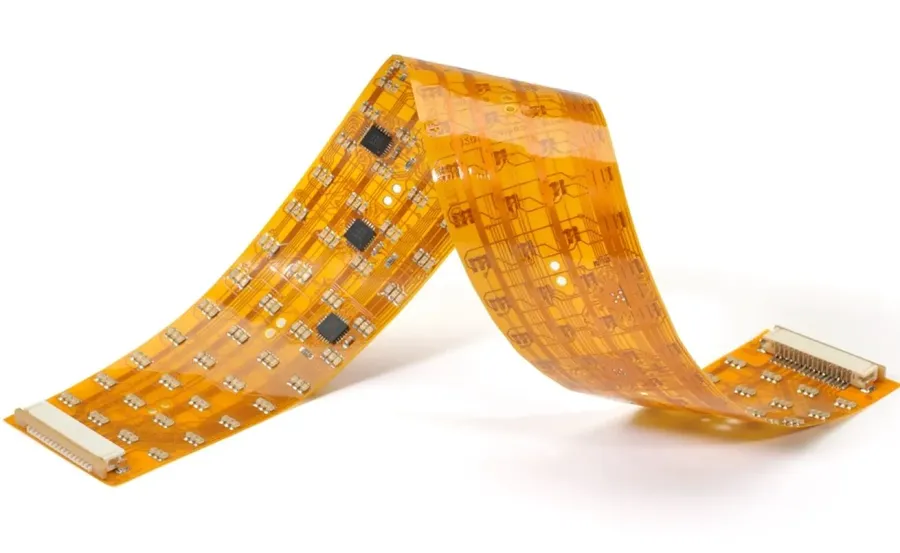
Flexible printed circuit boards (Flex PCBs), offer a dynamic alternative to traditional rigid PCBs, enabling electronic devices with unique form factors and functionalities. Their inherent flexibility allows them to bend, twist, and conform to various shapes, unlocking design possibilities that are unattainable with rigid boards. This section delves into the core concepts of flex PCB technology, their advantages over rigid PCBs, and their widespread applications across diverse industries.
At the heart of flex PCB technology lies the use of flexible substrates such as polyimide or polyester films, in contrast to the rigid materials like FR-4 used in standard PCBs. This foundational difference dictates their distinct advantages and limitations, guiding their application across various fields.
| Feature | Flex PCBs | Rigid PCBs |
|---|---|---|
| Flexibility | Highly flexible, capable of bending and folding | Rigid and inflexible |
| Form Factor | Conforms to complex shapes and tight spaces | Limited to flat, planar shapes |
| Vibration Resistance | Excellent resistance to vibration and mechanical stress | More susceptible to damage from vibration |
| Weight and Thickness | Lighter and thinner | Heavier and thicker |
| Application | Dynamic applications and intricate electronic designs, such as wearable technology and automotive electronics | Standard electronics, computer boards |
Flex PCBs are not a direct replacement for rigid PCBs, but a complement to it, each serving particular use cases. The applications of flexible circuit boards are as diverse as the products they enable. Below is a list of some of the common and exciting use cases:
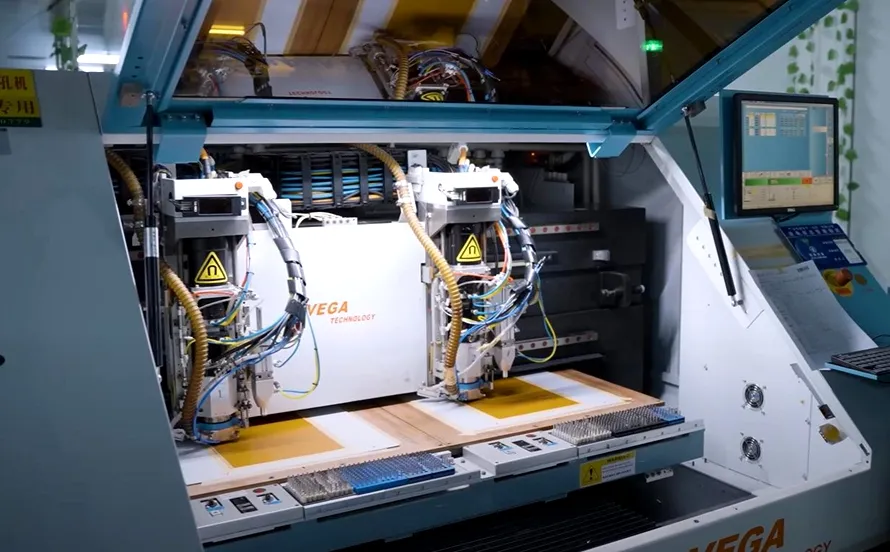
Selecting the right flex PCB manufacturer hinges on their ability to meet specific technical requirements. This section explores crucial manufacturing capabilities that directly impact the quality, performance, and reliability of flexible printed circuits.
These capabilities extend beyond basic fabrication, encompassing specialized processes and expertise necessary for producing high-quality and complex flex circuits.
| Capability | Importance | Considerations |
|---|---|---|
| Multilayer Flex PCB | Required for complex circuits with high density. | Check layer count capability and registration accuracy. |
| Fine Line Etching | Essential for high-density and intricate designs. | Verify minimum trace width and spacing achievable. |
| Impedance Control | Critical for signal integrity in high-speed applications. | Ask for process control methods and testing protocols. |
| Surface Finishes | Affects solderability and corrosion resistance. | Ensure finish selection matches application needs. |
| Assembly Expertise | Crucial for completing the product. | Assess SMT capabilities and component handling processes. |
Selecting a manufacturer that demonstrates proficiency in these key capabilities is crucial for ensuring the reliability and performance of your flex PCB designs. Thoroughly assessing these elements will allow you to make an informed choice that aligns with project requirements and objectives.
Rapid prototyping and quick-turn services are critical for accelerating product development cycles when working with flexible printed circuit boards (PCBs). These services allow for rapid design iteration and validation, significantly reducing time-to-market for new products.
The core of this service centers on the manufacturer's ability to quickly produce prototype flex PCBs based on initial designs, often within a very short timeframe. This iterative design process allows engineers to test and validate their design under real-world conditions and make necessary adjustments.
Quick-turn services are essential for meeting tight deadlines. They require sophisticated manufacturing processes that can efficiently handle the complexities of flex PCB production, like fine line etching and multilayer structures.
| Service Feature | Description | Importance |
|---|---|---|
| Prototyping | Production of small quantities of flex PCBs for testing and validation. | Essential for initial design validation and early stage design iteration. |
| Quick-Turn | Accelerated production of flex PCBs within a compressed timeframe. | Critical for meeting tight schedules, especially in fast-paced industries. |
| Design for Manufacturability (DFM) Feedback | Recommendations for design adjustments for manufacturability. | Ensures smoother production process and better yield rate |
| Material Availability | Ensuring the correct materials are in stock to minimize delay. | Reduces manufacturing lead times. |
When choosing a flex PCB manufacturer, it is important to assess their prototyping capabilities. This includes factors such as lead times for prototypes, available material options for prototypes, the degree of design for manufacturability (DFM) support, and the production process for prototypes.
In summary, robust prototyping and quick-turn services are not just about speed, they are crucial for managing risk, shortening product development time, and ensuring the quality of the final product. This capability is a critical factor to evaluate when selecting a flex PCB manufacturer.
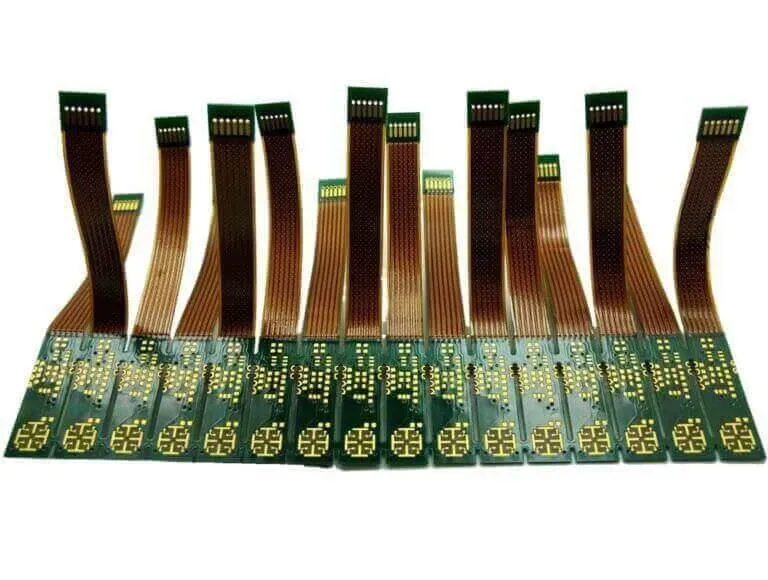
The selection of materials is paramount in flexible PCB (FPCB) manufacturing, as it directly influences the board's performance, durability, and applicability in various environments. This section delves into commonly used materials, their unique properties, and key considerations for specific applications.
The choice of material significantly impacts factors such as flexibility, thermal resistance, dielectric properties, and cost. Therefore, it's essential to thoroughly evaluate material options against the specific requirements of the intended application. For example, high-temperature applications demand materials with superior thermal stability, while high-frequency designs need materials with low dielectric loss.
| Material | Thermal Stability | Flexibility | Cost | Typical Applications |
|---|---|---|---|---|
| Polyimide (PI) | High (up to 400°C) | Good | High | Aerospace, medical, high-temperature electronics |
| Polyester (PET) | Moderate (up to 150°C) | Good | Low | Consumer electronics, low-cost applications |
| Liquid Crystal Polymer (LCP) | High (up to 250°C) | Good | Moderate to High | High-frequency circuits, advanced electronics |
Selecting the right material depends on various factors. These include the operating temperature, mechanical stress, chemical exposure, and electrical performance requirements of the intended application. It is prudent to consult with a flex PCB manufacturer to navigate the specific requirements and material trade-offs for each project.
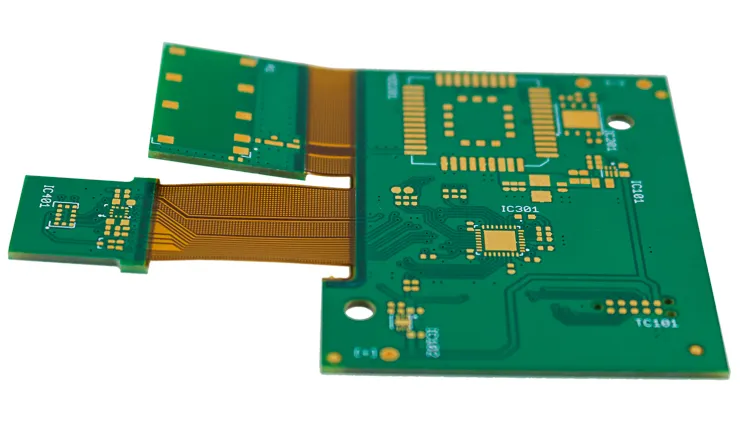
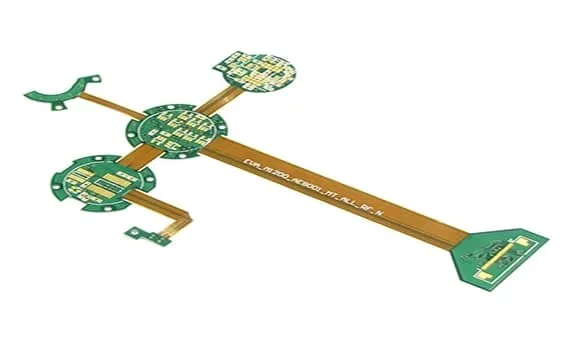
Rigid-flex PCBs represent a sophisticated evolution in circuit board technology, combining the advantages of both rigid and flexible substrates into a single, integrated structure. This hybrid approach offers unparalleled design flexibility and functional integration, making it suitable for a wide array of applications.
At the heart of this technology lies the capability to create circuits that can bend, twist, and conform to irregular shapes while still maintaining the robust performance of a rigid board where needed. This section explores the advantages, applications, and key manufacturing considerations for rigid-flex PCBs.
| Feature | Rigid PCB | Flex PCB | Rigid-Flex PCB |
|---|---|---|---|
| Flexibility | No | Yes | Partial |
| Dimensional Stability | Yes | Limited | Yes (in rigid sections) |
| Complexity | Lower | Medium | High |
| Interconnection Density | Medium | High | High |
| Application | General | Dynamic Flexing | Complex Interconnects |
The unique capabilities of rigid-flex PCBs make them ideal for various specialized applications. Key applications include:
Manufacturing rigid-flex PCBs is significantly more complex than producing either rigid or flexible boards alone. It demands a higher level of expertise and specialized equipment. Key considerations during manufacturing include:
Choosing a manufacturer with deep expertise in rigid-flex PCB production is critical for ensuring the successful completion and performance of your product. A proficient manufacturer will be capable of guiding you through the complexities of design, material selection, and manufacturing, leading to an effective and reliable outcome.
The geographic location of your flex PCB manufacturer significantly impacts project timelines, costs, and communication effectiveness. Choosing between local and international suppliers involves a careful evaluation of various logistical, financial, and operational factors.
This section delves into the advantages and disadvantages of each option, highlighting the critical factors to consider when making your decision.
| Factor | Local Manufacturer | International Manufacturer |
|---|---|---|
| Communication | Often easier, same time zones, potentially in-person meetings. | Can be challenging due to time differences, language barriers, and limited in-person interaction. |
| Shipping & Logistics | Faster shipping times, lower shipping costs, easier customs clearance. | Longer shipping times, higher shipping costs, potentially complex customs procedures. |
| Lead Times | Potentially shorter lead times due to proximity and simplified logistics. | Lead times can be longer due to shipping and potential delays. |
| Cost | Potentially higher labor costs but lower shipping costs | Potentially lower labor costs but higher shipping costs and potential duties. |
| Quality Control | Easier to conduct site visits and monitor production closely. | Monitoring can be challenging due to distance and require more stringent documentation requirements. |
| Intellectual Property (IP) Protection | Potentially stronger IP protection due to local legal systems. | IP protection may vary, with a greater need for robust contracts. |
| Time Zones | Same or similar time zone, facilitating real-time communication. | Significant time differences can delay communication and slow down project progress. |
Choosing between a local or international flex PCB manufacturer depends on your specific project needs, budget constraints, and risk tolerance. Evaluating these factors will allow you to select a manufacturer that supports your project goals effectively.
Rigorous quality control and adherence to industry certifications are paramount in flex PCB manufacturing to guarantee reliability and performance. Certifications like ISO 9001 and UL provide assurance that a manufacturer follows standardized processes, leading to consistent product quality and minimizing potential failures. These standards are not merely formalities; they represent a commitment to excellence and a significant reduction in risk for clients.
The selection of a flex PCB manufacturer that holds relevant certifications translates directly to higher quality products. These certifications demonstrate the manufacturer's capability to consistently produce flex PCBs that meet stringent quality and safety requirements.
| Certification | Description | Relevance to Flex PCB Manufacturing |
|---|---|---|
| ISO 9001 | International standard for quality management systems. | Ensures the manufacturer has processes for consistent product quality, from design to delivery. This includes process control, material handling, and continuous improvement. |
| UL Certification | Safety certification for electrical components. | Indicates that the flex PCBs meet established safety standards, particularly concerning fire resistance and electrical integrity. Crucial for applications with safety-critical requirements. |
| IPC Standards | Industry standards for PCB design, manufacturing, and assembly. | Compliance ensures that manufacturing processes align with industry best practices. Covers material specifications, dimensional tolerances, assembly process, and testing. |
Beyond certifications, manufacturers often implement additional quality control measures. These may include:
Choosing a flex PCB manufacturer that adheres to these quality standards and holds relevant certifications will not only reduce the risk of product defects but also ensure long-term reliability and performance of the final product.
Understanding the cost drivers behind flexible printed circuit boards (flex PCBs) is crucial for effective project management and budget allocation. Several factors influence the final price, and optimizing these elements can lead to significant cost savings. This section will detail those key elements, helping you make informed decisions when working with a flex PCB manufacturer.
The cost of a flex PCB project is not solely dependent on the materials; it's a complex equation involving design complexity, material selection, production volume, and desired specifications. Ignoring these factors can lead to unexpected expenses. Understanding these elements empowers informed decision-making and effective cost management.
| Cost Factor | Description | Impact on Cost |
|---|---|---|
| Design Complexity | Number of layers, trace density, via count, and board shape intricacy. | Higher complexity increases cost due to more complex manufacturing processes. |
| Material Selection | Choice of substrate (polyimide, polyester, etc.), copper thickness, and adhesive. | Specialized materials or those requiring additional processing lead to higher prices. |
| Production Volume | Number of PCBs manufactured in a single order. | Larger volumes generally reduce per-unit cost due to economies of scale. |
| Surface Finishes | Type of coating applied to pads and traces, such as ENIG, HASL, or immersion tin. | Specific finishes, especially those with higher durability or solderability, may incur added costs. |
| Dimensional Tolerances | Required accuracy for circuit dimensions and feature placement. | Tighter tolerances require more meticulous manufacturing and increase expenses. |
| Testing Requirements | Extent of testing (e.g., electrical, functional, environmental) to ensure quality and reliability. | More rigorous testing protocols and advanced equipment add to the overall cost. |
| Lead Time | Timeframe for producing and delivering the PCBs. | Expedited lead times often require premium charges due to prioritized production scheduling. |
By carefully considering these elements and working closely with your chosen manufacturer, it is possible to optimize a flex PCB project for both functionality and cost-effectiveness. An understanding of cost drivers empowers decision-making, leading to superior products at reduced prices.
This section addresses common questions regarding flexible printed circuit board (flex PCB) manufacturing. Understanding these aspects can greatly assist in project planning and collaboration with a flex PCB manufacturer.
Selecting the right [flex pcb manufacturer] is a critical decision that significantly impacts the quality, cost, and time-to-market of your electronic devices. By understanding the key considerations, such as material selection, manufacturing capabilities, quality standards, and the nuances of flex and rigid-flex technologies, you can partner with a reliable and capable manufacturer to bring your innovative projects to fruition. As technology evolves, flex PCBs will play an increasingly crucial role, making your manufacturer selection an ever-important strategic advantage.

