Printed circuit boards (PCBs) are the backbone of modern electronics, silently powering everything from smartphones to complex industrial machinery. Whether you're an electronics hobbyist prototyping a new design, or a professional bringing a product to market, the question is, where do you buy a PCB that meets your specific needs? This guide navigates the world of PCB manufacturing, helping you make informed decisions and showcasing how you can source high quality PCBs that are right for your project.
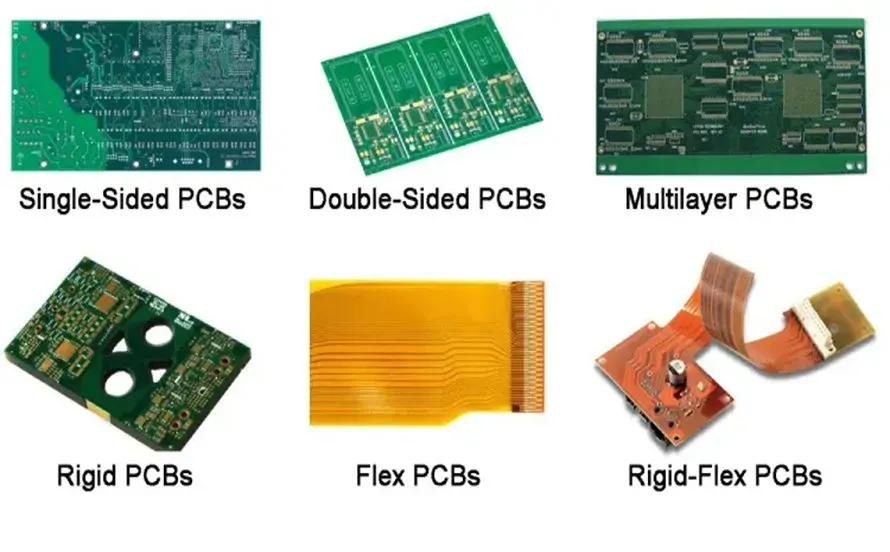
Before initiating a PCB purchase, a thorough understanding of your project's specific requirements is crucial. This involves assessing several key parameters to ensure the final product meets your design criteria and functional needs. Accurate specifications streamline the selection process and lead to cost-effective purchasing.
Understanding these parameters early on will not only guide you in choosing the correct manufacturer and service but also reduce potential errors and ensure design manufacturability.
| Requirement | Description | Impact |
|---|---|---|
| Layer Count | Number of conductive layers | Complexity, cost, routing density |
| Dimensions | Length and width of PCB | Fit, space constraints |
| Material | Type of substrate used | Performance, cost, thermal properties |
| Special Features | Unique characteristics | Signal integrity, performance, environmental factors |
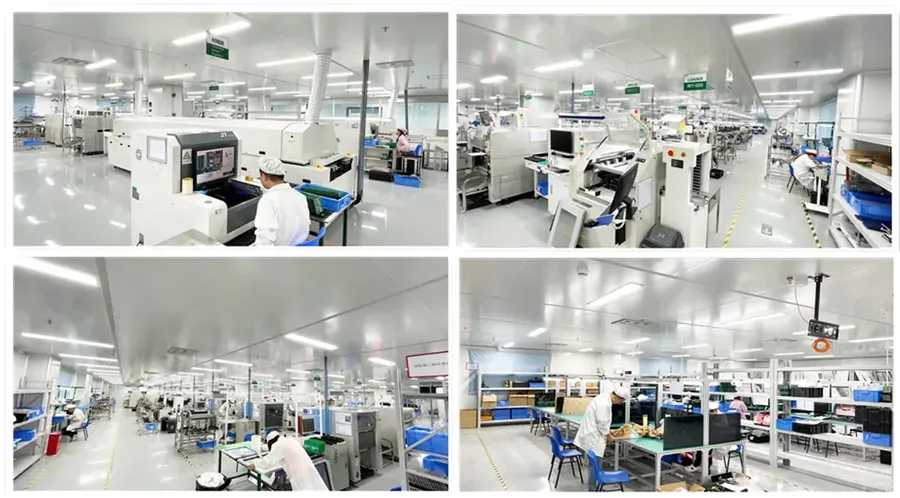
Selecting the right PCB manufacturer is crucial for the success of any electronics project. This section provides a comparative analysis of leading PCB manufacturers, focusing on their specializations, pricing structures, lead times, and manufacturing capabilities to guide you in making informed decisions when you buy a PCB.
| Manufacturer | Specializations | Pricing | Lead Times | Capabilities | Target Audience |
|---|---|---|---|---|---|
| JLCPCB | Rapid prototyping, high-volume production, SMT assembly | Competitive, tiered pricing based on quantity and complexity | Fast, typically 2-7 days for standard PCBs | Multi-layer PCBs, various surface finishes, advanced technologies | Hobbyists, startups, small-to-medium enterprises |
| PCBWay | Prototyping, small batch production, advanced PCB technologies | Moderate, transparent pricing | Moderate, typically 3-10 days for standard PCBs | HDI PCBs, flexible PCBs, aluminum PCBs, advanced assembly | Professionals, research institutions, and high-tech companies |
| PCBBUY | High-quality production, complex multilayer boards, quick turn service | Moderate to high, focuses on premium quality | Moderate, typically 5-12 days for standard PCBs | Rigid-flex PCBs, impedance control, heavy copper boards, various material options | High-end engineering projects, aerospace, defense industries |
The table above offers a summarized comparison. When choosing a manufacturer to buy a pcb from, consider your specific needs in terms of design complexity, budget, timeline and order quantity.
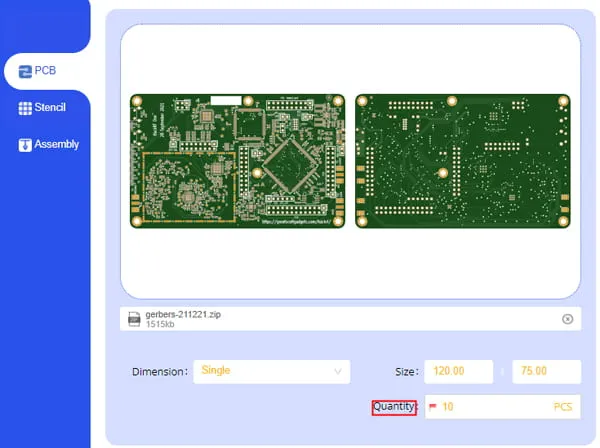
Online PCB ordering platforms have revolutionized the way electronic engineers and hobbyists acquire custom printed circuit boards. These platforms provide a streamlined, efficient, and often more cost-effective alternative to traditional methods, offering a variety of tools and services to simplify the purchasing process.
The convenience of online platforms stems from their ability to provide instant quotes, handle file uploads seamlessly, and offer comprehensive order tracking features. This reduces the need for extensive back-and-forth communication, thus accelerating the entire process. Furthermore, these platforms often provide features that enhance user experience, improving design feedback and streamlining purchasing.
| Feature | Benefit |
|---|---|
| Instant Quotes | Fast budgeting, immediate cost assessment |
| File Uploads | Eliminates manual errors, speeds up the process |
| Order Tracking | Real-time production updates, enhances transparency |
| User Experience | Streamlined workflow, reduced design errors |
When selecting an online platform, consider factors such as the platform’s ease of use, the range of services offered, customer support availability, and the specific tools it provides. By leveraging these platforms, you can improve the overall efficiency of the PCB purchasing process, enabling you to focus more on your design and project development.
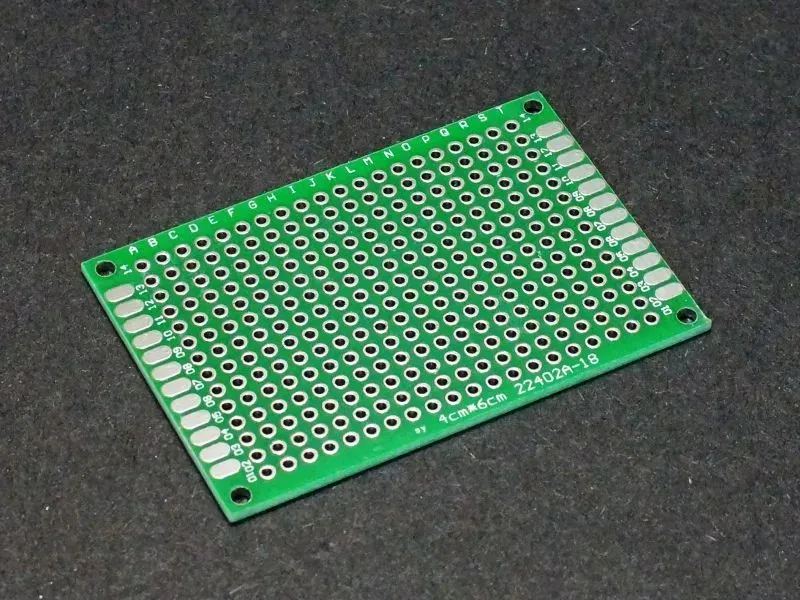
When deciding to buy PCBs, it's crucial to distinguish between prototype and production PCBs. These two types cater to different stages of product development, each with distinct implications for cost, quantity, and lead time.
| Feature | Prototype PCBs | Production PCBs |
|---|---|---|
| Purpose | Testing and validation of design | Final product manufacturing |
| Quantity | Small batches, often a few units | Large quantities, potentially thousands or more |
| Cost | Higher per-unit cost | Lower per-unit cost due to economies of scale |
| Lead Time | Shorter lead times, often a few days | Longer lead times, often several weeks, dependent on order quantity |
| Design Adjustments | Design can be readily modified based on testing | Design typically finalized; changes may require rework. |
| Manufacturing Process | May involve less stringent processes and quality control | Requires robust and repeatable processes with strict quality control. |
Prototype PCBs are primarily used to validate a design before committing to mass production. The focus is on functionality and design verification, rather than cost or large-scale manufacturing. Production PCBs, on the other hand, are manufactured for end products, requiring stringent quality control, optimized manufacturing processes, and cost-effective pricing.
The decision to buy prototype PCBs versus production PCBs depends heavily on your project stage. For initial testing and iterative design adjustments, a prototype service is ideal. Once the design is finalized and the product is ready for market, a production run is more suitable.
Understanding these differences will allow you to effectively choose a pcb service and control your spending. When it comes to choosing a manufacturer, make sure that they offer both prototype and production services so that you can easily transition when the time is right.
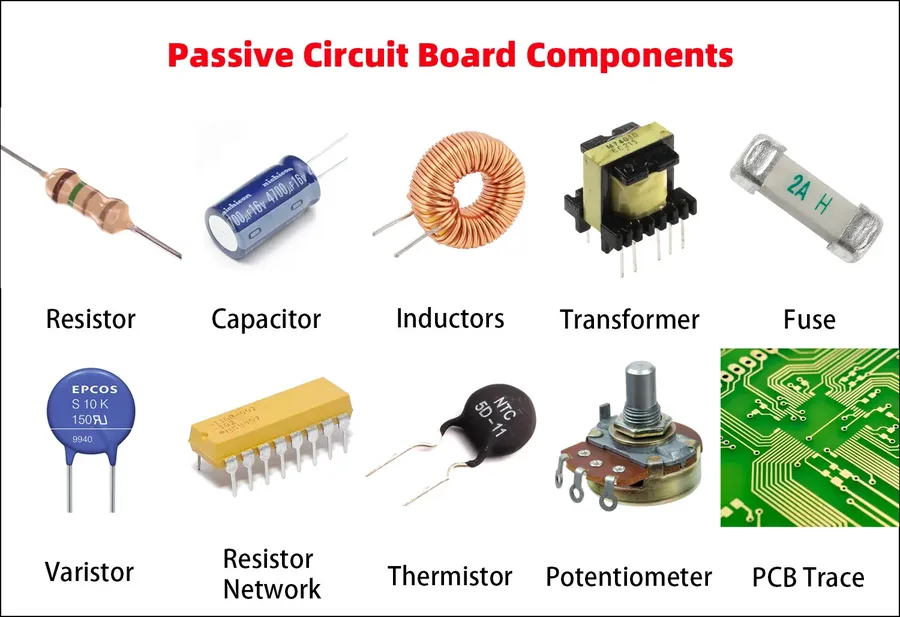
Understanding the various factors that influence PCB pricing is crucial for effective budgeting when planning to buy a pcb. These factors range from the physical characteristics of the board to the manufacturing processes involved. Awareness of these elements allows for more informed decision-making and cost optimization.
Several key elements affect the final cost of your PCBs:
| Cost Factor | Impact on Price |
|---|---|
| Increased Board Size | Higher cost due to more material and processing time |
| More Layers | Higher cost due to more complex fabrication |
| Specialized Material (e.g., High-Frequency Laminate) | Higher cost due to increased material expense |
| ENIG Surface Finish | Higher cost for improved solderability and corrosion resistance |
| Custom Solder Mask Colors | Slightly higher cost than standard colors |
| Smaller and More Drill Holes | Higher cost due to increased processing time and machinery wear |
| Impedance Control | Higher cost due to precise manufacturing requirements |
Being informed about these cost determinants will enable more effective budget management and facilitate the purchase of pcb that meet both technical requirements and financial parameters. It is always wise to discuss any special requirements with your manufacturer, and to get cost estimates based on your exact requirements.
This section addresses common questions related to purchasing PCBs, providing clear insights into cost factors and decision-making processes to help you make informed choices when buying PCBs.
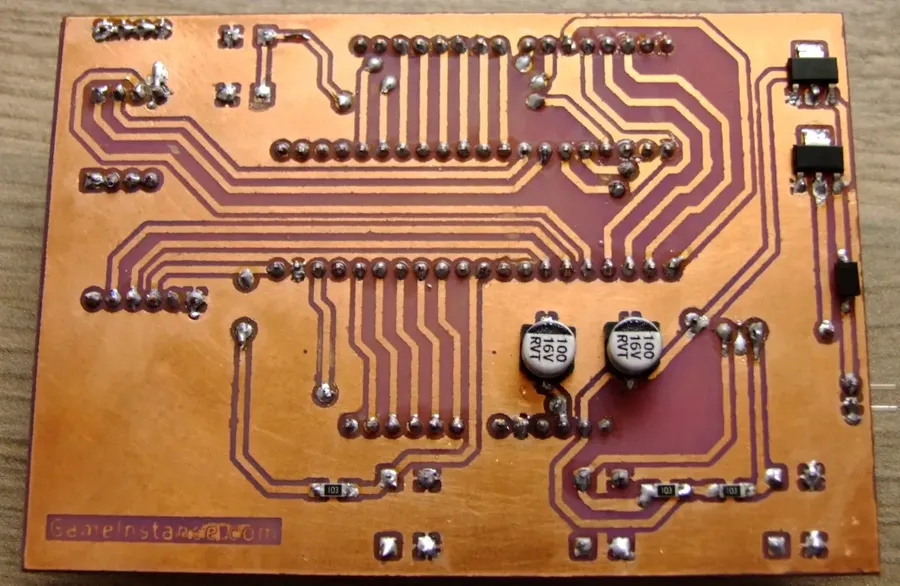
Deciding between fabricating printed circuit boards (PCBs) in-house or using a professional service is a critical choice, especially when you buy a pcb for project needs. This section analyzes the trade-offs involved in DIY PCB production versus using professional services, particularly focusing on time, cost, and quality implications.
| Feature | DIY PCB Fabrication | Professional PCB Fabrication |
|---|---|---|
| Cost | Initially lower for basic setups, but can escalate with complexity and failed attempts. | Higher initial cost, but potentially more economical for complex designs and large quantities. |
| Quality | Quality depends heavily on the user’s skill and equipment. Often suitable for simple circuits but may not meet high-precision standards. | Higher quality and precision with advanced manufacturing techniques and quality control processes. |
| Time | Time-consuming, especially with learning curves, manual processes, and potential for errors. | Faster turnaround times, especially with optimized manufacturing processes and advanced machinery. |
| Complexity | Limited to single-sided or simple double-sided boards with less precision. Difficult with multi-layer or complex designs. | Capable of handling single-sided, double-sided, multi-layer, complex, and high-density boards. Includes advanced options like impedance control. |
| Materials | Limited material selection. May be difficult to source special substrates or specific finishings. | Wider variety of substrates, finishes, and material options are available from specialized suppliers. |
| Equipment | Requires upfront investment in tools like etching equipment, UV exposure setups, drills, and software. | Uses advanced manufacturing equipment and machinery such as CNC machines, laser etching, and automated assembly lines. |
| Expertise | Requires in-depth understanding of etching, drilling, and chemical processes. Knowledge of PCB design software is needed. | Relies on professional design and manufacturing teams with years of experience and knowledge of industry standards and best practices. |
| Scalability | Difficult to scale production for large quantity requirements due to time, equipment and consistency issues | Can produce small and large quantities while maintaining consistency in quality and production. |
For hobbyists and straightforward projects, DIY methods may suffice when learning to buy a pcb. However, for projects requiring reliability, precision, and larger quantities, a professional service is usually the better choice. Furthermore, professional services can often accommodate special requirements such as controlled impedance, specialized materials, and fine-pitch components, which are exceptionally difficult to manage using DIY methods. The decision to buy a pcb using either method ultimately depends on the project’s requirements, budget, timeline, and your level of expertise. Consider the potential pitfalls in each case to ensure that the chosen method aligns with project goals.
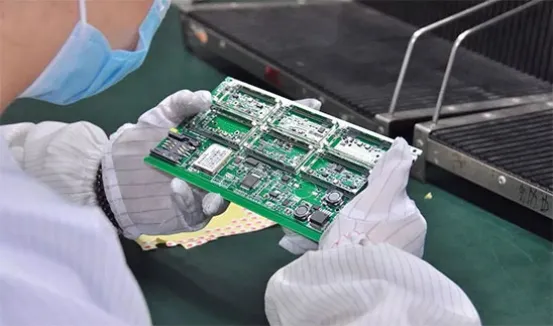
Selecting the right PCB manufacturer is critical for project success, affecting not only the quality of the final product but also the cost and timeline. This section provides a checklist to guide you through the evaluation process, ensuring you make an informed decision when you buy a PCB.
By considering these critical factors, you are better equipped to choose a PCB manufacturer that best suits your project needs, ensuring high-quality, timely delivery of your PCBs when you buy a PCB.
Navigating payment and shipping is a crucial final step when you buy a PCB. Understanding available options and potential considerations, especially for international orders, ensures a smooth transaction and prevents unexpected delays. This section details the common payment methods and shipping options, along with advice for efficient international ordering.
When buying PCBs, payment methods typically include:
Shipping options vary based on speed and cost and include:
When dealing with international PCB orders, consider the following:
To minimize issues related to payment and shipping, it is advisable to review manufacturer's policies thoroughly, confirm payment method prior to ordering, and always select a shipping option that best meets your project's needs. Doing so helps you to buy a pcb with confidence and certainty.
Choosing the right place to buy PCBs is vital for any electronic project. By understanding your project needs, comparing different manufacturers, and weighing factors like price and lead time, you can confidently buy a pcb that meets your requirements. With this guide, you’re now better equipped to navigate the PCB market effectively, ensuring you get the best value and quality for your needs.

