Printed circuit boards (PCBs) are the backbone of modern electronics, quietly powering everything from smartphones to sophisticated medical equipment. The selection of the right PCB manufacturing company is crucial for product quality and timely delivery. This article delves into the world of PCB manufacturing, highlighting key players in the industry, their expertise, and what makes them stand out, bridging the gap between the technology powering our lives and the companies that manufacture them. This article provides a comprehensive analysis of top PCB manufacturers, aiding in informed decision-making for your next project.
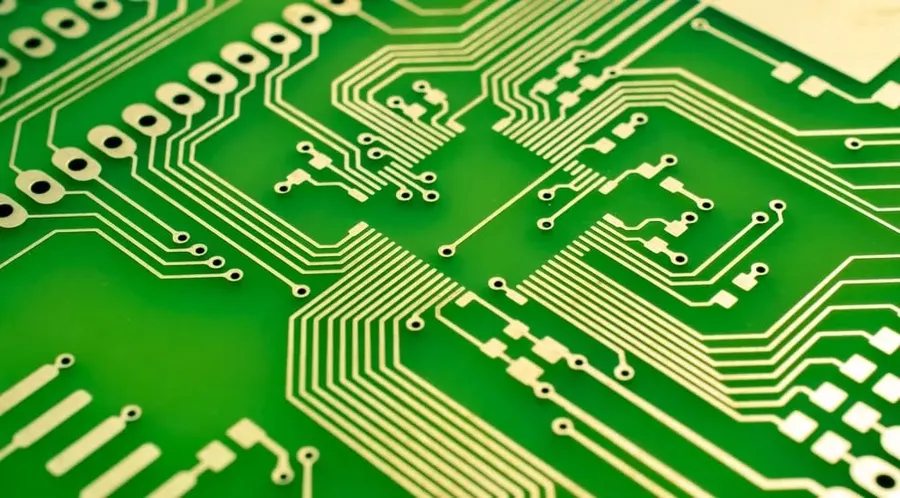
The global PCB (Printed Circuit Board) manufacturing industry is a cornerstone of modern electronics, facilitating the production of devices across all sectors. This section provides a comprehensive overview of this critical industry, detailing its key trends, market size, and the diverse range of PCBs produced.
The PCB manufacturing landscape is shaped by several key factors, including technological advancements, material science innovations, and geographic production concentrations. Understanding these dynamics is essential for stakeholders involved in the design and development of electronic products.
| PCB Type | Description | Typical Application | Advantages | Disadvantages |
|---|---|---|---|---|
| Single-Sided | Copper layer on one side of substrate | Simple electronics, toys | Low cost, easy to manufacture | Limited circuit complexity |
| Double-Sided | Copper layer on both sides of substrate | Consumer electronics, basic circuits | Increased circuit density, moderate cost | More complex than single-sided |
| Multi-Layer | Multiple conductive layers separated by dielectric material | Complex electronics, computer motherboards, high-end applications | High circuit density, compact size | Higher cost, complex to manufacture |
| Flexible | PCB made on flexible substrate | Wearable technology, automotive electronics, medical devices | Flexibility, high durability | Can be expensive, may require specialized production methods |
North America is a significant hub for printed circuit board (PCB) manufacturing, with numerous companies offering a wide range of services from rapid prototyping to high-volume production. These companies cater to diverse industries, providing both standard and specialized PCB solutions. The North American market is characterized by its focus on quality, innovation, and advanced manufacturing technologies.
The following sections detail some of the leading PCB manufacturing companies in the USA and Canada, highlighting their specific capabilities and contributions to the industry.
| Company | Specialization | Key Capabilities | Market Focus |
|---|---|---|---|
| Advanced Circuits | Quick-turn PCB prototyping | Rapid prototyping, Multi-layer PCBs | Prototyping and Smaller Production Runs |
| Sunstone Circuits | PCB design software and manufacturing | User-friendly platform, fast turnaround | Hobbyists and small businesses |
| Bay Area Circuits | Prototype and production PCBs | Design to fabrication and assembly, advanced materials | Wide range of industries |
| TTM Technologies | High volume manufacturing | Advanced technology, global manufacturing footprint | Large industrial and commercial projects |
These companies exemplify the breadth and depth of PCB manufacturing capabilities available in North America. They contribute significantly to various sectors, providing critical components for electronic devices across all industries. Each company’s focus on specialized services ensures the industry can meet a variety of specific project needs.
The global PCB manufacturing landscape is dominated by a few key players with extensive reach and significant production capabilities. These giants not only manufacture a substantial volume of PCBs but also drive innovation and set industry standards across various market segments. This section profiles some of these major international PCB manufacturers, highlighting their unique strengths and global impact.
These companies often possess multiple manufacturing facilities strategically located around the world to serve diverse geographical markets and offer a range of PCB manufacturing services, from standard designs to complex, high-performance boards.
| Company | Headquarters | Global Reach | Key Specializations | Market Segments |
|---|---|---|---|---|
| JLCPCB | China | Global, with focus on Asia, Europe, and North America | Rapid prototyping, small to medium volume production, online ordering platform. | Consumer electronics, small businesses, education, maker communities |
| TTM Technologies | USA | Global, with manufacturing facilities in North America, Asia, and Europe | High-technology PCBs, HDI, aerospace and defense applications, advanced materials. | Aerospace, defense, automotive, medical, networking, industrial |
| Unimicron | Taiwan | Global, with significant presence in Asia and expansion in other regions | High-volume PCBs, HDI, Rigid-flex boards, Advanced packaging substrates. | Mobile devices, laptops, servers, automotive, and industrial equipment |
| Meiko Electronics | Japan | Global, with operations in Asia and Europe. | Automotive PCBs, high-reliability PCBs, complex multilayer boards, advanced materials. | Automotive, industrial machinery, telecommunications, consumer electronics. |
| Samsung Electro-Mechanics | South Korea | Global, with extensive presence in Asia and expanding operations elsewhere. | High-density interconnect (HDI) PCBs, IC substrates, advanced materials for high-end applications | Mobile devices, IT infrastructure, automotive, high-performance computing |
| Nippon Mektron | Japan | Global, with manufacturing facilities across Asia, Europe, and Americas | Flexible PCBs, rigid-flex PCBs, specialty materials. | Automotive, mobile devices, medical equipment, and industrial electronics. |
These companies are not only crucial for mass production of PCBs but also play a pivotal role in developing advanced PCB technologies. The strategic location of their manufacturing sites ensures they can meet the demands of various industries and respond quickly to market changes.
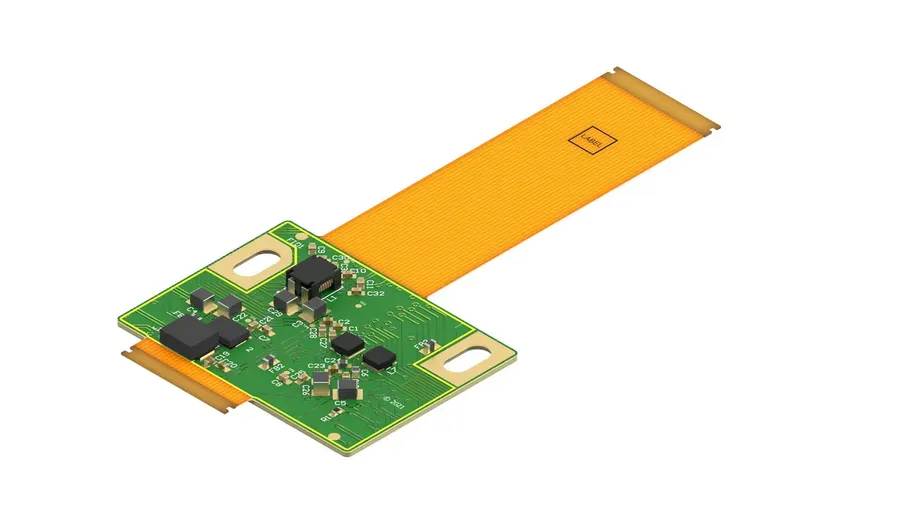
The PCB manufacturing landscape includes companies that specialize in niche areas, pushing the boundaries of what's possible in electronics. These manufacturers focus on high-performance applications, utilizing cutting-edge technologies such as high-frequency materials, high-density interconnect (HDI) designs, flexible substrates, and other advanced materials tailored for specific industry needs.
These specialized PCBs are critical in sectors like aerospace, medical devices, telecommunications, and advanced research, where demanding performance parameters require expertise beyond standard manufacturing practices. The following outlines some of the specific technologies and the companies that produce them.
While specific company names can fluctuate due to market dynamics and confidentiality, some notable examples of companies involved in specialized PCB manufacturing are often leaders in areas such as:
These specialized manufacturers require significant investment in research, development, and specialized equipment to support the unique demands of their clients. Choosing a specialized manufacturer is crucial when your project requires these specific capabilities to ensure both performance and reliability of end products.
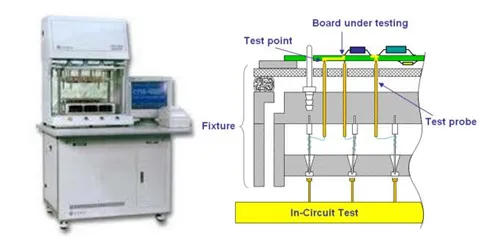
Selecting the appropriate PCB manufacturer involves a careful evaluation of their service offerings. This section provides a comparative analysis of key factors such as prototyping speed, production capacity, material options, assembly services, and pricing structures, which directly affect the success of any PCB project. Understanding these differences enables informed decision-making.
| Service Factor | Description | Impact on Project |
|---|---|---|
| Prototyping Speed | Turnaround time for prototype PCBs, from design submission to delivery. | Affects the speed of design validation and iteration; crucial for time-sensitive projects. |
| Production Capacity | The maximum volume of PCBs a manufacturer can produce within a given timeframe. | Essential for scaling up production and meeting high-volume demand. |
| Material Options | Range of materials available for PCB substrate, such as FR-4, high-Tg, or flexible materials. | Determines the PCB's performance characteristics including thermal stability and signal integrity. |
| Assembly Services | Capabilities for assembling components onto PCBs, including surface mount (SMT) and through-hole assembly. | Reduces the need for multiple vendors and simplifies the manufacturing process. |
| Pricing Structures | Cost per PCB unit, factoring in quantity, complexity, and material. | Has a direct impact on the overall project budget and cost-effectiveness. |
| Specialized Technologies | Capabilities for specific PCB types like HDI, flexible circuits, and RF designs. | Ensures designs can meet the performance and reliability requirements of specialized applications. |
| Design for Manufacturing (DFM) Support | Assistance and feedback on PCB design to optimize manufacturability. | Reduces manufacturing errors and improves overall production efficiency. |
| Quality Assurance and Certifications | Compliance with quality standards like ISO 9001 and industry-specific certifications. | Ensures the reliability and consistency of the manufactured PCBs. |
A thorough comparison involves more than just looking at the prices; it requires assessing how these service factors align with specific project needs. For example, a rapid prototype may prioritize speed, while a high-volume production might focus on cost and scalability.
This section addresses common questions regarding PCB manufacturing, offering clear and concise answers to help you better understand the industry, its processes, and key considerations. Understanding these aspects is critical for making informed decisions about your PCB design and manufacturing needs.
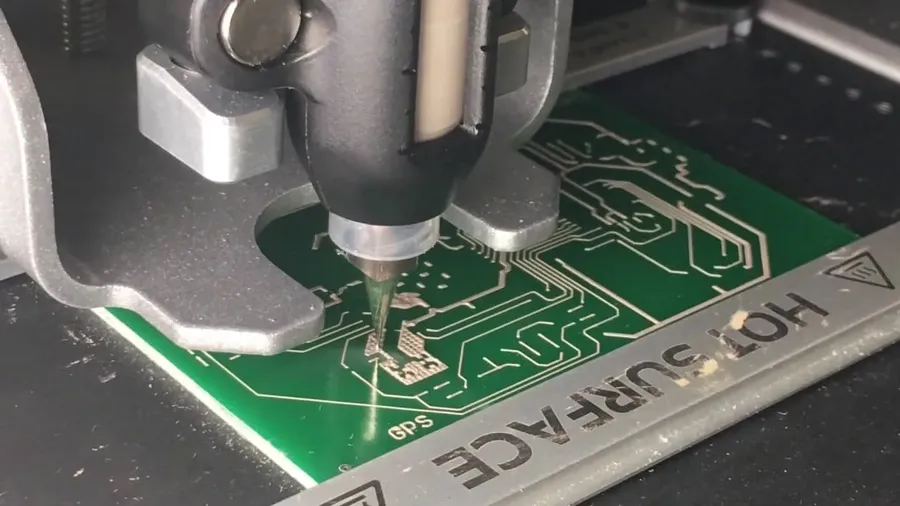
Choosing the optimal PCB manufacturer is crucial for project success, directly impacting product quality, cost-effectiveness, and time to market. This section provides a practical guide to help you select a manufacturer that aligns with your specific needs, budget, and schedule.
The selection process involves a thorough evaluation of several key factors, as there isn't a one-size-fits-all solution. The right choice depends heavily on your project’s complexity, required volume, and specific design needs.
Below is a structured approach with actionable tips to guide you through the selection process, ensuring a smooth and successful collaboration.
| Consideration | Description | Actionable Tips |
|---|---|---|
| Project Requirements | Detailed specifications of your PCB | Document all requirements (material, layers, traces). |
| Production Volume | The number of PCBs you need | Match production volume to the manufacturer's capability. |
| Technical Capabilities | The ability to produce complex PCBs | Check for HDI, flex, or special materials expertise. |
| Turnaround Time | Time taken for production and prototypes | Confirm timelines and look for fast-turn options. |
| Material Availability | Availability of specific materials | Verify material availability before placing order. |
| Pricing Structure | Cost of PCB manufacturing services | Compare quotes to ensure best quality for price. |
| Quality Control | Measures taken to ensure PCB quality | Look for ISO certifications and quality standards. |
| Communication | Level of support and communication | Assess their communication and responsiveness. |
| Assembly Services | If assembly services are needed | Determine if the manufacturer can also assemble the board. |
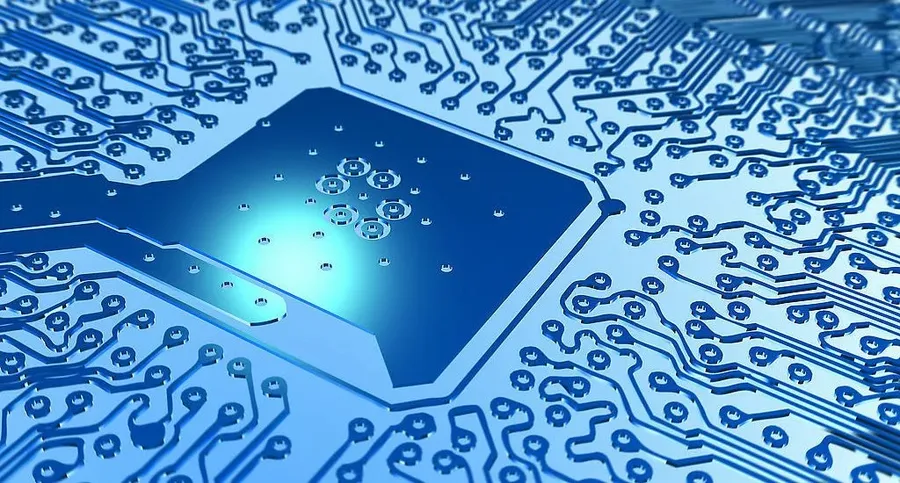
The PCB manufacturing industry is on the cusp of significant transformation, driven by emerging technologies, increased sustainability demands, and the evolving needs of industries like artificial intelligence (AI) and the Internet of Things (IoT). These advancements are not only changing how PCBs are produced but also influencing their design, materials, and applications.
| Trend | Impact on PCB Manufacturing | Example Technologies |
|---|---|---|
| Additive Manufacturing (3D Printing) | Enables rapid prototyping, complex geometries, and on-demand production. | Direct Ink Writing, Aerosol Jet Printing |
| Artificial Intelligence (AI) | Optimizes process parameters, predictive maintenance, quality control, and design. | Machine Learning Algorithms, Neural Networks |
| Sustainable Materials and Processes | Reduces environmental impact, minimizes waste and improves lifecycle of PCBs. | Bio-based Resins, Water-based Cleaners |
| High-Performance Materials | Improves thermal management, signal integrity, and reliability at high frequencies. | Advanced Dielectrics, Novel Conductors |
These future trends collectively point towards a PCB manufacturing landscape that is more agile, responsive, and sustainable. The industry will continue to adapt and innovate to meet the ever-increasing demands of the rapidly changing technology landscape. Further research and development in these areas will be essential for companies looking to maintain a competitive edge.
Selecting the right PCB manufacturing company is paramount for the success of any electronic product. The market is rich with options, ranging from large global players to niche manufacturers, each with their unique strengths. By understanding the landscape and key criteria, you can make an informed decision and choose a PCB partner that aligns with your project’s specific needs. Whether it's high-precision prototyping or mass production, the right partnership can determine the quality and efficiency of your products and bring them to market. Leading PCB manufacturing companies worldwide, including those in the USA and Asia, continue to drive innovation and reliability in electronics, underscoring the critical role they play in our tech-driven society.

