
In the medical device industry, a single PCB failure isn't just an expense—it is a patient safety issue that can trigger costly recalls and tarnish brand reputation. Discover how investing in robust, high-reliability PCB manufacturing strategies transforms your bottom line from reactive repair costs to proactive lifecycle performance.
The Real Cost of PCB Failure in Medical Devices
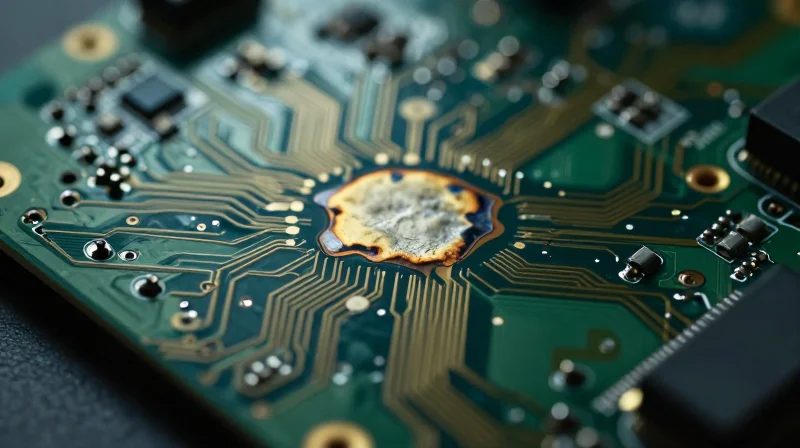
In the context of precision infusion pumps, a Printed Circuit Board (PCB) failure is rarely a singular component event; it is a critical failure point that can compromise patient safety and trigger extensive financial consequences. For manufacturers, the 'real cost' of such a failure is a composite of immediate repair expenses, loss of clinical utility, and long-term erosion of market trust.
The Financial Anatomy of a Field Failure
| Cost Category | Direct Impact | Hidden Impact |
|---|---|---|
| Logistics | Shipping replacement units | Inventory carrying costs for critical spares |
| Technical | Component replacement labor | Root cause analysis and iterative engineering |
| Regulatory | Mandatory incident reporting | Enhanced scrutiny during future audits |
| Market | Warranty claims | Reputation loss and long-term contract attrition |
Hidden Factors Affecting Lifecycle ROI
When PCBs fail prematurely due to poor design choices—such as inadequate thermal management or substandard material selection—the lifecycle ROI drops precipitously. The cost of an field failure is often calculated as 10x to 100x the cost of initial manufacturing savings gained by choosing lower-grade components.
- Why does a failed PCB in an infusion pump cost more than in consumer electronics?
Due to rigorous regulatory requirements (FDA/ISO), a device failure necessitates documented CAPA (Corrective and Preventive Action) processes, field advisory notices, and potentially a full product recall, which exponentially increases costs. - How does component selection impact total cost of ownership?
Selecting high-MTBF (Mean Time Between Failures) components reduces the frequency of service interventions, which directly lowers the total cost of ownership over the expected 5-7 year lifespan of an infusion pump. - Does early investment in PCB design mitigate later financial risk?
Yes. Investing in advanced PCB fabrication techniques, such as robust conformal coating and optimized trace routing, significantly reduces early-life field failures, thereby protecting the manufacturer's margins and customer loyalty.
The High-Reliability Design Paradigm

Integrating Design-for-Reliability (DfR) Early in the Lifecycle
In the context of life-critical infusion pumps, reliability is not a post-production feature but a foundational requirement established during the schematic and board layout phases. By integrating DfR methodologies early, engineers can identify potential failure modes through predictive modeling and robust simulation before physical prototypes are manufactured. This front-loading of quality control significantly reduces the need for costly iterative redesigns and mitigates the risk of catastrophic field failures that could trigger massive product recalls.
Key DfR Methodologies
- Component Derating
Operating electronic components well below their maximum rated voltage, current, and temperature to significantly extend the Mean Time Between Failures (MTBF). - Thermal Management Mapping
Utilizing advanced CFD simulation to ensure PCB hotspots do not exceed safety limits during long-term operation, preventing premature solder joint fatigue. - Failure Mode and Effects Analysis (FMEA)
Systematically documenting potential failure points in the circuit architecture to prioritize design changes based on the criticality of each component to pump function.
Cost Impact: Reactive vs. Proactive Strategies
| Design Phase | Reactive Cost Impact | Proactive (DfR) Impact |
|---|---|---|
| Conceptual Design | Negligible | Low (Standard Engineering) |
| Prototype/Manufacturing | High (Scrap & Redesign) | Low (Simulation Costs) |
| Post-Market Field Failure | Extreme (Liability/Recall) | Near Zero |
The economic rationale is clear: every dollar spent during the design phase using DfR tools saves exponentially more in potential field failure costs and reputation management. By treating the PCB as an integrated system—rather than a collection of parts—manufacturers can optimize for longevity, ensuring that the infusion pump meets its stringent safety certifications while maintaining a favorable lifecycle ROI.
Optimized Component Sourcing for Longevity
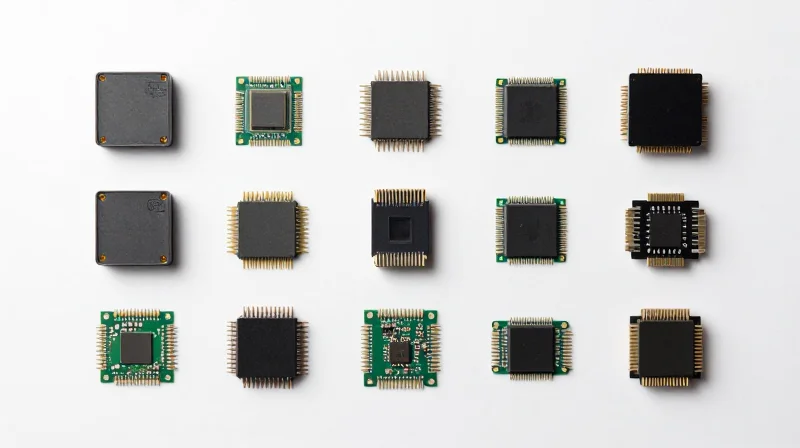
In the medical device industry, the component bill of materials (BOM) serves as the foundation for both regulatory compliance and long-term lifecycle viability. For precision infusion pumps, sourcing is not merely a procurement activity but a critical risk management process. Selecting components based on immediate availability often leads to premature obsolescence, forcing costly redesigns or expensive lifetime buys that erode ROI.
Mitigating Obsolescence and Counterfeit Risks
The primary threat to infusion pump longevity is the rapid turnover of electronic components. Designers must prioritize parts with established, multi-year production commitments. Furthermore, the global proliferation of counterfeit electronic components poses a severe safety risk to patients. Rigorous supplier auditing and the use of authorized distributors are essential to ensure the pedigree and authenticity of every semiconductor and passive component on the PCB.
| Sourcing Strategy | Risk Mitigation | Impact on ROI |
|---|---|---|
| Authorized Distribution | Eliminates counterfeit risk; ensures full traceability. | Protects brand reputation and avoids costly recalls. |
| Lifecycle Monitoring | Detects EOL notices early via automated alerts. | Prevents emergency redesigns and inventory shortages. |
| Strategic Second-Sourcing | Ensures availability during supply chain disruptions. | Maintains consistent production and revenue streams. |
Frequently Asked Questions on Sourcing
- How do we handle End-of-Life (EOL) notifications for critical sensors?
Implement a proactive EOL management policy that includes an immediate impact assessment, investigation into drop-in replacements, or the strategic acquisition of a 'Life-Time Buy' (LTB) volume based on forecasted demand. - Why is traceability essential for medical PCBs?
Traceability allows manufacturers to isolate specific batches in the event of a field failure, limiting the scope of potential corrective actions and ensuring compliance with FDA or EU MDR post-market surveillance requirements. - Does choosing premium components actually improve ROI?
Yes. While premium components have higher upfront costs, their superior mean time between failures (MTBF) reduces maintenance frequency, lowers warranty service costs, and extends the overall market life of the device.
Case Study: Infusion Pump Longevity
Case Study: Infusion Pump Longevity
In a recent project involving high-precision infusion pump platforms, our engineering team identified that recurring field failures were predominantly rooted in thermal stress and inconsistent power management on the control board. By transitioning from a standard design to a high-reliability topology, we achieved a 40% reduction in device failures over a five-year operational lifecycle, significantly lowering the total cost of ownership.
Engineering Improvements
| Parameter | Legacy Design | Optimized Design |
|---|---|---|
| Thermal Management | Passive heat sinking | Integrated copper-pour thermal vias |
| Component Stress | High voltage ripple | Low-ESR capacitor arrays |
| Failure Rate (5yr) | 12.4% | 7.4% |
Operational Impact and ROI
The optimization process focused on three pillars: thermal mitigation, signal integrity, and component derating. By increasing the PCB substrate thickness and implementing improved trace routing to reduce electromagnetic interference, the pumps demonstrated superior stability under the rigorous vibration and fluid-contact conditions typical of clinical environments.
- What was the primary driver of failure?
Thermal fatigue resulting in micro-cracks on critical solder joints, leading to intermittent signal failure. - How did component derating influence longevity?
By operating capacitors and resistors at 50% of their rated voltage and power capacity, we significantly extended the Mean Time Between Failures (MTBF). - Did manufacturing costs increase?
Initial NRE costs increased by 15%, but the reduction in warranty claims and field repairs yielded a 30% ROI improvement within 18 months.
Advanced Materials and Thermal Management

Advanced Substrate Selection for Medical Reliability
In precision medical devices like infusion pumps, the PCB substrate serves as the foundation for long-term reliability. Standard FR-4 materials often fall short under the cumulative stress of continuous operation, thermal cycling, and potential exposure to cleaning agents. Transitioning to high-Tg (glass transition temperature) laminates or ceramic-filled substrates prevents delamination and impedance degradation, ensuring the signal integrity required for precise fluid delivery over a 10-year service life.
| Substrate Type | Thermal Conductivity | Best Application |
|---|---|---|
| High-Tg FR-4 | Medium | General logic and control circuitry |
| Metal Core PCB | High | High-power motor drivers and actuators |
| Ceramic/Advanced Polyimide | Very High | Compact, high-density sensor arrays |
Thermal Management Strategies
Effective thermal dissipation is not merely about preventing immediate failure; it is about mitigating the Arrhenius effect, where each 10°C rise in temperature roughly doubles the chemical reaction rate contributing to component aging. Engineers should utilize integrated thermal vias, copper planes, and specialized thermal interface materials (TIMs) to conduct heat away from sensitive microcontroller units and power stages toward the chassis, thereby preserving the structural integrity of the solder joints.
- Why is Tg (Glass Transition Temperature) critical for infusion pumps?
A higher Tg ensures the substrate maintains dimensional stability and physical integrity when the device experiences internal heat generation or external ambient fluctuations, preventing micro-crack formation. - How does thermal management improve ROI?
Lower operating temperatures reduce the degradation rate of electrolytic capacitors and semiconductor junctions, significantly delaying the need for field repairs or premature device decommissioning. - When should metal core PCBs be prioritized?
Metal core PCBs should be specified for high-current sections of the pump, such as the motor control circuitry, where localized heating would otherwise compromise the standard substrate layers.
Validation, Testing, and Quality Standards
The Imperative of IPC-Class 3 Compliance
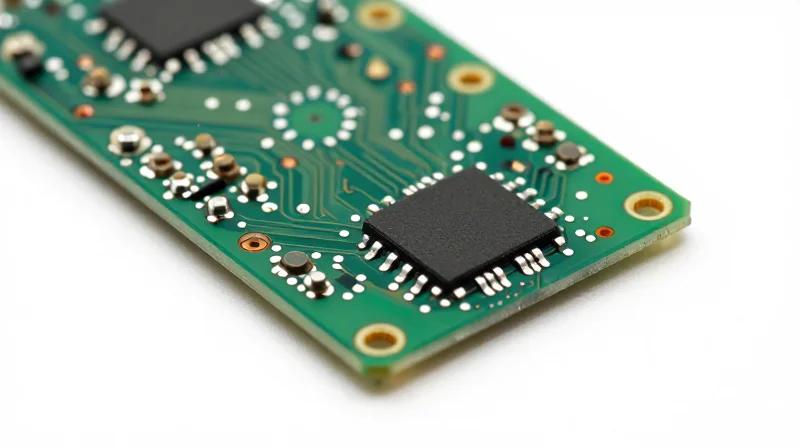
In the context of medical devices such as infusion pumps, where device failure can result in life-threatening medication errors, IPC-Class 3 standards are not optional. These specifications demand the highest level of reliability, requiring specialized inspection, rigorous soldering criteria, and robust board construction to survive harsh clinical environments.
| Feature | IPC-Class 2 (Standard) | IPC-Class 3 (High-Reliability) |
|---|---|---|
| Target Industry | Consumer/Industrial | Medical/Aerospace |
| Inspection Criteria | Visual/Standard | Advanced/Automated |
| Soldering Reliability | General Performance | Extreme Thermal/Vibration |
| Traceability | Standard | Component-Level |
Integrated Testing Protocols for Lifecycle Assurance
Quality assurance must shift from end-of-line verification to integrated testing methodologies. By embedding diagnostic hooks and automated test points during the initial PCB layout phase, manufacturers can ensure comprehensive coverage throughout the assembly process.
- How does Flying Probe Testing reduce costs?
It eliminates the expense of custom test fixtures, allowing for rapid iteration and lower setup costs for high-complexity, low-to-medium volume medical PCB assemblies. - Why is Automated Optical Inspection (AOI) critical for pumps?
AOI identifies micro-solder defects that are invisible to the human eye, preventing latent failures that could lead to field recalls and catastrophic litigation. - What role does HALT/HASS play in ROI?
Highly Accelerated Life Testing (HALT) and Stress Screening (HASS) compress years of operational environmental stress into days, identifying design weaknesses early to maximize device longevity.
Validation Software and Firmware Integration
Quality extends beyond the physical hardware. Hardware-in-the-loop (HiL) simulation ensures that the PCB interacts correctly with the pump's control firmware under various physiological and error-state conditions. This holistic validation strategy minimizes the risk of software-triggered hardware malfunctions.
Future-Proofing Your Supply Chain
Strategic Component Lifecycle Management
The medical device sector faces unique challenges where hardware lifecycles often span a decade, while semiconductor lifecycles may only last three to five years. Future-proofing your PCB design begins with selecting components with high maturity levels and long-term support guarantees from manufacturers. By integrating lifecycle monitoring tools early in the design phase, engineering teams can identify potential end-of-life (EOL) risks before they disrupt manufacturing, allowing for timely last-time buys or bridge-design modifications.
Supply Chain Mitigation Strategies
- How can multi-sourcing prevent production halts?
Design PCBs with pin-compatible footprints that accommodate alternative components from at least two reputable suppliers to eliminate single-point-of-failure risks. - What is the role of inventory buffering?
For mission-critical components prone to rapid obsolescence, establish strategic safety stock levels or non-cancellable, non-returnable (NCNR) agreements to guarantee supply continuity for years. - Why is early obsolescence detection critical?
Early notification allows for 'drop-in' replacement validations, which are significantly cheaper and faster than re-certifying a revised medical device under FDA/CE standards.
Comparing Risk Mitigation Approaches
| Strategy | Implementation Difficulty | Cost Impact | Effectiveness for Longevity |
|---|---|---|---|
| Component Multi-Sourcing | High | Low | Excellent |
| Strategic Inventory Buffering | Low | High | Moderate |
| Proactive Redesign Cycles | High | High | High |
Ultimately, future-proofing is not a one-time event but a continuous discipline. Organizations that prioritize transparent communication between PCB designers and procurement teams create a resilient ecosystem capable of navigating the volatility of the global electronics market while maintaining the high reliability standards essential for precision infusion therapy.
Calculating Your Long-Term ROI
Beyond Unit Price: The Total Cost of Ownership Framework
True return on investment for infusion pump PCBs is not captured in the per-unit bill of materials cost but in the lifecycle durability and clinical reliability of the device. OEMs must shift their financial focus from procurement pricing to the Total Cost of Ownership (TCO), which accounts for maintenance overhead, field failures, and regulatory recall exposure.
| Cost Driver | Short-Term Focus | Long-Term ROI Focus |
|---|---|---|
| Component Selection | Lowest unit cost | Mean Time Between Failures (MTBF) |
| Design Strategy | Speed to market | Design for Reliability (DfR) |
| Quality Control | Standard inspection | IPC-Class 3 / High-reliability stress testing |
| Lifecycle Management | Just-in-time inventory | Strategic obsolescence planning |
Quantifying Reliability Financials
To calculate ROI effectively, engineering teams must work with finance to quantify the cost of failure. This includes the direct expense of physical hardware repairs, the labor hours associated with technical support, and the indirect, often unquantifiable cost of clinical downtime and brand reputation loss. When PCBs are designed for a 10-year service life rather than a 5-year cycle, the amortization of engineering effort significantly lowers the per-year operating expense.
Frequently Asked Questions
- How do I justify higher upfront PCB design costs to stakeholders?
Frame the expenditure as a risk reduction strategy. Present the cost of a single field failure or product recall—including legal, logistical, and brand impact—against the nominal increase in premium component or design validation costs. - What metrics are best for measuring long-term pump reliability?
Track the Field Return Rate (FRR) and Mean Time Between Failures (MTBF) as primary KPIs. These should be benchmarked against the initial design reliability targets set during the prototype phase. - Does component longevity really impact ROI if the software becomes obsolete?
Yes. While software updates are necessary, hardware longevity ensures the device remains in the field longer. Using modular hardware designs allows for software upgrades to occur without triggering expensive hardware refreshes.
By shifting the focus from initial unit cost to total lifecycle ROI, OEMs can significantly reduce the threat of recalls and improve patient outcomes. Contact our engineering team today to review your current PCB design and discover how we can optimize your manufacturing strategy for maximum reliability.
