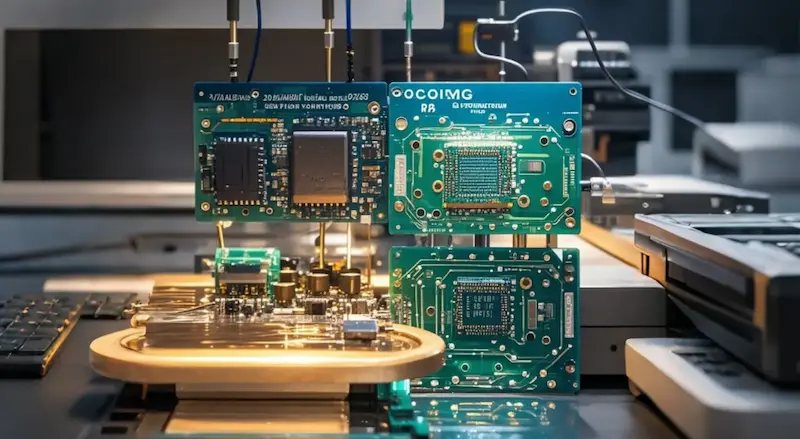
In the demanding world of modern electronics, effective thermal management is no longer a luxury but a critical necessity. As devices become smaller, more powerful, and operate under intense conditions, the heat generated can significantly impact performance, reliability, and lifespan. This is particularly true for high-power applications like LEDs and power electronics, where excessive heat can lead to premature failure and reduced efficiency. Traditional circuit boards often struggle to dissipate this heat effectively. However, a specialized solution has emerged as the industry standard: Metal Core PCBs (MCPCBs). This article delves into what MCPCBs are, why they are indispensable for thermal-sensitive applications, and how they represent the best solution for engineers pushing the boundaries of LED and power electronics design. Zero One Solution Limited, a leader in PCB prototyping and manufacturing, understands the critical role of advanced PCB technologies in enabling innovation. Let's explore how MCPCBs can elevate your next project.
A Metal Core Printed Circuit Board (MCPCB) is a specialized type of PCB designed to manage heat effectively. Unlike traditional PCBs made entirely of non-conductive materials like fiberglass, MCPCBs feature a metal base layer that acts as a heat sink, rapidly dissipating thermal energy away from sensitive electronic components. This makes them indispensable for applications involving high power consumption or intense heat generation, such as LEDs and power electronics, where standard PCBs would quickly overheat and fail.
The construction of an MCPCB typically involves three main layers, each serving a crucial role in its thermal management capabilities:
The strategic combination of these layers allows MCPCBs to handle significantly higher power densities and operate reliably in demanding thermal environments. This superior heat dissipation capability directly translates to increased component lifespan, enhanced performance, and improved overall product reliability, making MCPCBs the preferred choice for high-heat applications.
Metal Core PCBs (MCPCBs) stand out as the premier solution for applications generating significant heat, primarily due to their unparalleled thermal conductivity. Unlike standard FR-4 PCBs, MCPCBs incorporate a metal base (typically aluminum or copper) that acts as an integrated heat sink, efficiently drawing thermal energy away from sensitive electronic components and dissipating it into the surrounding environment. This fundamental design difference is crucial for maintaining optimal operating temperatures, preventing component damage, and ensuring the longevity and reliability of electronic devices, particularly in demanding sectors like LED lighting and power electronics.
The thermal management capabilities of MCPCBs are a direct result of their unique layered construction. At their core is a thermally conductive metal base, which is bonded to a dielectric layer. This dielectric layer, often a ceramic-filled polymer, is engineered for high thermal conductivity while maintaining excellent electrical insulation properties. Finally, the conductive copper traces that form the circuit are laminated onto the dielectric. This structure allows heat generated by components mounted on the PCB surface to be rapidly transferred through the dielectric to the metal core, which then spreads and dissipates the heat far more effectively than a standard PCB material could.
This superior thermal performance is not merely an advantage; it's often a necessity for modern electronic designs. The ability to effectively manage heat is a critical determinant of device performance, reliability, and overall product success, making the thermal conductivity of MCPCBs their defining and most valuable characteristic.
Metal Core PCBs (MCPCBs) are indispensable in LED applications due to the inherent thermal challenges associated with Light Emitting Diodes. LEDs generate a significant amount of heat directly at the junction, and inefficient heat dissipation leads to reduced luminous efficacy, shortened lifespan, and premature component failure. MCPCBs, with their integrated metal heat spreader layer, offer a superior solution for drawing heat away from the LED components, ensuring optimal performance and longevity.
The primary function of an LED is to convert electrical energy into light. However, a considerable portion of this energy is lost as heat. This waste heat must be managed effectively to prevent the LED chip from exceeding its operational temperature limits. Standard FR-4 PCBs, commonly used for general electronics, have poor thermal conductivity, making them inadequate for dissipating the concentrated heat generated by high-power LEDs.
In summary, the intrinsic thermal management capabilities of Metal Core PCBs make them not just beneficial, but essential for any LED application that demands high performance, extended lifespan, and energy efficiency. They are the cornerstone of modern LED lighting technology, enabling brighter, longer-lasting, and more reliable illumination solutions.
In the demanding realm of power electronics, where high currents and voltages generate significant heat, effective thermal management is not just beneficial – it's critical for operational integrity and longevity. Metal Core PCBs (MCPCBs) have emerged as an indispensable component in power supplies, inverters, converters, and other high-power devices precisely because of their superior heat dissipation capabilities. Unlike traditional FR4 PCBs, MCPCBs feature a metal base (typically aluminum or copper) bonded to a dielectric layer, which then supports the conductive copper traces. This construction allows heat generated by power components like MOSFETs, IGBTs, and voltage regulators to be efficiently drawn away from the sensitive circuitry and dissipated into the surrounding environment or a heatsink, preventing thermal runaway and component failure.
The primary function of an MCPCB in power electronics is to act as an integrated heatsink. Components that generate substantial heat are mounted directly onto the MCPCB's thermal management layer. This direct contact facilitates rapid heat transfer, significantly reducing the operating temperature of these critical parts. This leads to several key advantages: * **Enhanced Reliability:** By keeping components cooler, MCPCBs drastically reduce the risk of thermal stress and premature failure, leading to more reliable and robust power systems. * **Increased Performance:** Lower operating temperatures often allow power components to perform more efficiently and closer to their optimal parameters, potentially enabling higher power densities and better overall system performance. * **Extended Lifespan:** Heat is a major degradation factor for electronic components. By mitigating excessive heat, MCPCBs contribute to a longer operational lifespan for the entire power device. * **Miniaturization:** The integrated heat dissipation capability of MCPCBs can sometimes reduce the need for bulky external heatsinks, allowing for more compact and lightweight designs, which is crucial in applications like electric vehicles, aerospace, and portable power solutions.
Consider a high-efficiency power supply or an industrial motor drive. These systems often operate under heavy loads, pushing components to their thermal limits. A standard PCB would quickly overheat, leading to performance degradation or catastrophic failure. An MCPCB, however, uses its metal core to spread the heat effectively across a larger area, often in conjunction with a chassis or dedicated heatsink, ensuring that even the hottest components remain within safe operating temperatures. This makes MCPCBs a non-negotiable solution for any power electronics application where reliability and performance under demanding thermal conditions are paramount.
Metal Core PCBs (MCPCBs) are engineered to excel where conventional PCBs fall short, primarily due to their superior thermal management capabilities. This unique construction translates into a host of advantages that are critical for the performance, reliability, and longevity of electronic devices, especially in demanding applications like LED lighting and power electronics. Embracing MCPCBs means opting for a robust solution that actively combats heat-related failures.
Metal Core PCBs (MCPCBs) are distinguished by their substrate material, which primarily dictates their thermal performance and suitability for specific applications. The core is typically made of aluminum, copper, or steel, each offering unique advantages for thermal management and structural integrity. Understanding these variations is crucial for selecting the optimal MCPCB for your electronic design.
The most common types of MCPCBs are based on aluminum and copper cores, each with distinct thermal conductivity properties and cost-effectiveness.
The choice between these core materials depends heavily on the specific thermal requirements, operational environment, and cost constraints of the application. For instance, a high-brightness stadium floodlight will likely benefit from an aluminum core MCPCB for its balance of thermal performance and cost, while a densely packed, high-frequency power amplifier might necessitate the superior thermal capabilities of a copper core MCPCB.
Selecting the ideal Metal Core PCB (MCPCB) manufacturer is crucial for ensuring the performance, reliability, and longevity of your LED and power electronic products. At Zero One Solution Limited, we differentiate ourselves through a steadfast commitment to rapid prototyping, unparalleled quality, and dedicated customer support. We understand that in today's fast-paced market, speed to market is as critical as product excellence. Our specialized focus on rapid-response R&D prototype manufacturing empowers you to accelerate your development cycles, bringing your innovative designs to reality with exceptional efficiency.
What sets Zero One Solution apart is our holistic approach. We don't just manufacture MCPCBs; we provide a comprehensive, one-stop solution that spans from intricate PCB design to flawless manufacturing and assembly. Our state-of-the-art facilities in Shenzhen, combined with our strategic branch office in Dubai, enable us to serve a global clientele, ensuring seamless integration into your supply chain and offering responsive local support.
When you partner with Zero One Solution Limited, you gain more than just an MCPCB supplier; you gain a strategic ally dedicated to your success. We are committed to providing the most effective, high-performance MCPCB solutions that meet the demanding thermal challenges of modern electronics.
Metal Core PCBs (MCPCBs) are a specialized type of printed circuit board designed to manage heat effectively. They are crucial for applications involving high-power LEDs and other electronic components that generate significant thermal output. This section addresses common inquiries to provide a clearer understanding of their function and benefits.
In summary, Metal Core PCBs are not just an alternative; they are the definitive solution for applications demanding superior thermal management, particularly in the realms of LED lighting and power electronics. Their inherent ability to dissipate heat efficiently translates directly into enhanced product performance, increased reliability, and extended operational lifespans, preventing costly failures and ensuring customer satisfaction. At Zero One Solution Limited, we recognize the critical importance of these advanced PCB technologies. Our expertise in rapid prototyping and comprehensive PCB solutions, from design to manufacturing, ensures you receive high-quality MCPCBs tailored to your specific needs. Don't let thermal challenges limit your innovation. Partner with Zero One Solution Limited to bring your high-performance electronic designs to life with the best in MCPCB technology. Explore our services today and experience the difference that quality and expertise make.