
In the high-stakes world of smart lighting, the gap between a prototype and a profitable product is often filled with hidden manufacturing overhead. For many startups, traditional production models create a 'valley of death' where costs spiral while waiting for scale. By shifting to strategic small-batch PCBA outsourcing, innovative firms are effectively bypassing these bottlenecks and securing their path to sustainable profitability.
The High Cost of Prototyping In-House
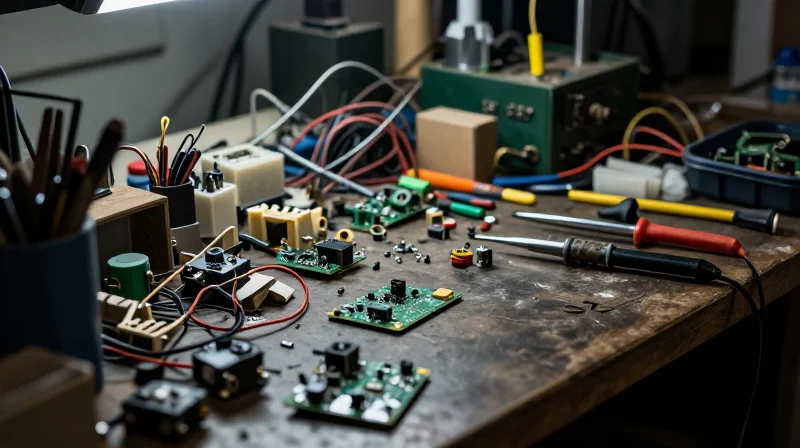
The Hidden Financial Burden of Internal Prototyping
For smart lighting startups, the allure of maintaining full control through in-house PCBA prototyping often masks a significant financial drain. While internal assembly provides immediate access, the cumulative costs of capital equipment, specialized labor, and inventory management quickly erode the ROI of early-stage hardware development.
| Cost Factor | In-House Assembly | Outsourced Small-Batch |
|---|---|---|
| Equipment CAPEX | High (Pick-and-place, reflow ovens) | Zero (Usage-based pricing) |
| Specialized Labor | High (Full-time technicians) | Minimal (Design oversight only) |
| Inventory Risk | High (Bulk component buy-in) | Low (Supply chain management included) |
| Scalability | Rigid/Limited | High/Fluid |
Quantifying Technical Debt
When startups force internal PCBA assembly, they inadvertently accrue technical debt. Engineers shift focus from high-level innovation to mundane manual labor, leading to suboptimal assembly quality, inconsistent testing standards, and a lack of DFM (Design for Manufacturing) maturity. This fragmented process creates a feedback loop where bugs are addressed in silos rather than at the architectural level, lengthening the development cycle.
- Does in-house prototyping improve control?
While it offers faster turn-times for single boards, it lacks the precision and verification data provided by professional assembly houses, often leading to false starts. - How does manual assembly affect time-to-market?
Manual assembly is prone to human error and low repeatability, forcing teams to perform extensive troubleshooting on prototypes rather than moving to iteration. - Is the cost of failure higher internally?
Yes, because the total cost of ownership includes lost R&D hours that could have been dedicated to software and system integration for smart lighting features.
The Strategic Advantages of Small-Batch PCBA
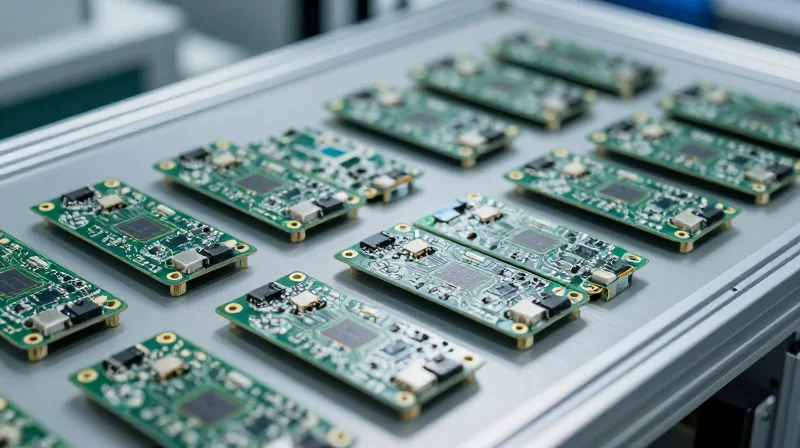
The Strategic Advantages of Small-Batch PCBA
Small-batch PCBA outsourcing acts as a catalyst for innovation, allowing startups to move beyond the constraints of limited in-house assembly. By leveraging external professional manufacturing, companies can iterate on complex lighting architectures without the overhead of capital-intensive equipment or the expertise gaps that often stall internal R&D.
Agility and Design Flexibility
When startups adopt a small-batch strategy, they effectively lower the 'cost of change.' Rather than committing to high-volume production runs that risk obsolescence, teams can manufacture dozens of units to validate firmware updates, thermal management configurations, or sensor accuracy. This iterative loop ensures that the final mass-produced version is battle-tested and optimized for the market.
| Metric | In-House Prototyping | Outsourced Small-Batch PCBA |
|---|---|---|
| Lead Time | Weeks (Dependency on manual skill) | Days (Professional automation) |
| Quality Assurance | Inconsistent/Human error | Automated optical inspection (AOI) |
| Scalability | Low/Bottlenecked | Seamless transition to mass production |
Frequently Asked Questions
- Does small-batch outsourcing hurt long-term margins?
No; it improves ROI by preventing expensive recalls or design flaws that would be magnified at higher production volumes. - How does this accelerate time-to-market?
By offloading assembly to specialists, your engineering team focuses entirely on product optimization rather than manufacturing logistics. - What is the biggest advantage for lighting startups?
The ability to perform real-world field testing with professional-grade assemblies ensures that lighting components meet rigorous safety and efficiency certifications earlier in the development lifecycle.
Case Study: Scaling Smart Lighting from Lab to Market

From Concept to Scale: The 'LuminaEdge' Experience
The LuminaEdge startup faced a critical crossroads when their adaptive smart street lighting modules transitioned from laboratory prototypes to small-batch commercial deployment. Initially, the team attempted internal assembly, but the complexity of high-density LED driving circuits coupled with automated optical inspection (AOI) requirements led to a 40% defect rate. By pivoting to an specialized small-batch PCBA partner, the firm reduced production lead times by 60% and secured the regulatory certifications required for market entry within three months.
Comparison of Production Strategies
| Metric | In-House Assembly | Outsourced Small-Batch |
|---|---|---|
| Defect Rate | 35-40% | 1-2% |
| Time to Market | 6-9 Months | 2-3 Months |
| Equipment Overhead | High (Solder lines, AOI) | Zero |
| Scaling Flexibility | Low (Fixed capacity) | High (On-demand) |
Addressing Common Scaling Challenges
- How did outsourcing impact the firmware validation process?
With high-quality boards delivered consistently, the team could focus on firmware debugging rather than troubleshooting hardware assembly errors, accelerating software iteration cycles. - Why is small-batch sourcing better than full-scale mass production early on?
Small-batch partners offer the agility to implement minor design changes based on field feedback without incurring the massive tooling costs associated with Tier-1 contract manufacturers. - Does this approach compromise quality for speed?
No, professional small-batch PCBA providers utilize identical industrial-grade SMT equipment as mass producers, ensuring that initial units meet the same quality standards as long-run production.
The transition to a professional PCBA partner effectively transformed the startup's operational overhead into a strategic asset. By offloading the manufacturing burden, LuminaEdge was able to reallocate 70% of their engineering hours toward feature innovation, directly contributing to a superior product and a stronger ROI in the competitive smart lighting landscape.
Optimizing Unit Economics Before Full-Scale Production
The Economic Imperative of Early DFM
Unit economics are rarely finalized during the initial breadboard phase; however, the architectural decisions made during the transition to small-batch PCBA dictate the long-term margin profile. By engaging with an EMS provider during the small-batch phase, startups can identify component lead times, assembly complexities, and panelization efficiencies before committing to high-volume production runs where design changes become prohibitively expensive.
Key DFM Strategies for Cost Reduction
- Component Standardization
Consolidating your bill of materials (BOM) to utilize common, high-availability components significantly reduces procurement costs and inventory management overhead. - Panelization Efficiency
Optimizing board dimensions to maximize yield per substrate panel minimizes wasted material and reduces the per-unit processing time on pick-and-place machinery. - Assembly Simplification
Moving components to a single side of the board reduces soldering cycles and eliminates the need for complex, dual-pass reflow processes.
Optimizing Production Costs: Prototyping vs. Full-Scale
| Optimization Metric | Small-Batch Focus | Full-Scale Focus |
|---|---|---|
| BOM Cost | Component Sourcing Flexibility | Volume Pricing & Tiered Contracts |
| Assembly Speed | High-Mix/Low-Volume Efficiency | Throughput & Cycle Time Reduction |
| Test Strategy | Manual/Visual Inspection | Automated Optical Inspection (AOI) & ICT |
Navigating the Small-Batch Transition
Treating small-batch PCBA as a production dry run allows engineers to refine the manufacturing process alongside the hardware design. This iterative feedback loop—often missing in internal development—ensures that by the time you reach full-scale production, the design is optimized for high-yield throughput, directly protecting your margins and accelerating time-to-market.
Reducing Operational Overhead Through Outsourcing
Reducing Operational Overhead Through Outsourcing
For hardware startups, the transition from prototype to small-batch production often signals the arrival of significant operational friction. Attempting to manage an in-house assembly line—or even micro-managing decentralized local assembly—drains internal resources and obscures the primary objective: refining the smart lighting user experience. By leveraging professional PCBA outsourcing, firms swap fixed capital expenditures for flexible operating costs, effectively eliminating the need for equipment maintenance, component inventory management, and specialized labor overhead.
In-House vs. Outsourced Production Dynamics
| Metric | In-House Assembly | Outsourced PCBA |
|---|---|---|
| Capital Expenditure | High (SMT lines, AOI) | Minimal (Service fee) |
| Operational Focus | Logistics & Maintenance | R&D & Market Strategy |
| Scaling Agility | Rigid (Limited by capacity) | High (Scales with demand) |
| Overhead Burden | Heavy (Staffing, Utilities) | Light (Variable cost) |
Strategic Questions for Scaling Startups
- How does outsourcing impact my core product development?
By offloading assembly, your engineers stop troubleshooting manufacturing equipment and start iterating on firmware and optical design, directly accelerating your product development cycle. - Does outsourcing increase my lead time?
Paradoxically, no. Professional PCBA partners maintain specialized supply chain networks and efficient manufacturing workflows that often outperform the logistical hurdles a startup faces when sourcing parts independently. - Is it cost-effective for small-batch runs?
Yes. While per-unit costs are slightly higher than mass-production, you save thousands in avoided overhead, specialized staffing, and the opportunity cost of not having a product ready for market launch.
Navigating Supply Chain Volatility for Startups

Mitigating Procurement Risks in Low-Volume Production
For startups, supply chain volatility is often exacerbated by a lack of leverage with component distributors. By partnering with a specialized PCBA service provider, startups can tap into existing, long-standing procurement relationships, ensuring better access to hard-to-find components and stabilized lead times even when production volumes are small.
Tactical Approaches for Resilience
- Adopt Component Agnostic Design
Design your PCBAs with multiple approved alternatives (AVL) for critical components to avoid single-source bottlenecks during market shortages. - Buffer Through Outsourced Inventory
Utilize your manufacturing partner's warehousing capacity to hold safety stock of long-lead-time components, decoupling production schedules from immediate market availability. - Leverage Predictive Procurement
Work with partners who offer transparent tracking of component lifecycles to predict end-of-life (EOL) risks before they disrupt your production line.
Managing Volatility: In-House vs. Outsourced
| Risk Factor | In-House Procurement | Outsourced PCBA Partner |
|---|---|---|
| Component Sourcing | Startup bears full burden | Partner leverages bulk buying |
| Inventory Risk | High carrying costs | Shared risk/optimized buffers |
| Market Fluctuations | Direct price impact | Access to stabilized pricing |
| Supply Chain Visibility | Limited | Real-time monitoring |
By shifting from a reactive 'just-in-time' procurement model to a partnership-driven 'just-in-case' strategy, smart lighting startups can protect their time-to-market commitments against unforeseen supply chain shocks.
Quality Assurance: Why Specialized Partners Matter
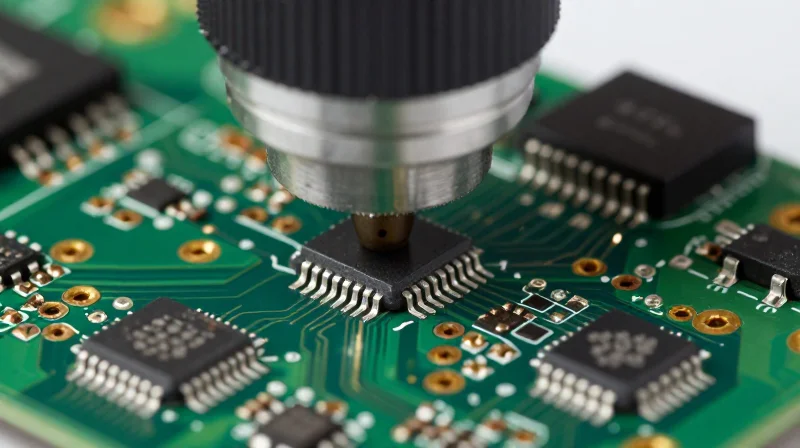
The High Cost of Compliance Oversight
For smart lighting products, quality assurance is not merely a manufacturing step; it is a regulatory mandate. Products integrating connectivity (Bluetooth, Zigbee, Wi-Fi) and power management must adhere to stringent regional safety standards like UL, CE, and FCC. Outsourcing to a specialized PCBA partner ensures these requirements are embedded into the design-for-manufacturability (DFM) process from day one, rather than treated as an afterthought.
Generalist vs. Specialized Manufacturing Partners
| Feature | Generalist Contract Manufacturer | Specialized PCBA Partner |
|---|---|---|
| Regulatory Knowledge | Broad/Surface level | Deep lighting-specific compliance |
| Testing Capabilities | Standard electrical tests | Thermal, optical, and RF interference testing |
| Failure Analysis | Limited to basic assembly | Comprehensive root cause investigation |
| Scalability | Focus on volume | Balanced for small-batch agility |
Reducing Risk Through Specialized QA
Smart lighting devices are uniquely prone to heat dissipation issues and power fluctuations. A partner specialized in this sector implements rigorous testing protocols that go beyond standard visual inspection, ensuring your brand reputation isn't compromised by premature device failure or safety hazards.
- Why is thermal stress testing critical for lighting PCBs?
LEDs and control circuitry are sensitive to heat. Without proper thermal management, component degradation accelerates, leading to flickering, reduced lifespan, and potential fire hazards. - How does a specialist handle RF interference?
Smart lights often house antennas in tight, metallic enclosures. A specialist optimizes the PCBA layout to minimize EMI, ensuring consistent connectivity and avoiding FCC certification rejection. - Does specialized QA increase initial costs?
While unit-level assembly might command a slight premium, the reduction in post-production rework, compliance delays, and field returns offers a significantly higher long-term ROI.
Measuring Success: ROI Metrics for Early Hardware Teams
Redefining Success: Key Performance Indicators for PCBA Outsourcing
For smart lighting startups, ROI is not merely a calculation of component costs; it is a measure of speed and risk mitigation. When evaluating an outsourcing partner, teams should shift their focus toward throughput, engineering hours recaptured, and the financial impact of avoiding production delays. Success is defined by how effectively capital is reallocated from manufacturing infrastructure toward product innovation.
| KPI Category | Primary Metric | Business Impact |
|---|---|---|
| Velocity | Time-to-first-prototype | Accelerated feedback loops |
| Cost Efficiency | Total Cost of Ownership (TCO) | Reduced operational overhead |
| Quality | First Pass Yield (FPY) | Lower rework costs |
| Agility | Supply Chain Lead Time | Market responsiveness |
Frequently Asked Questions on ROI Measurement
- How do I account for 'hidden' outsourcing costs?
Include shipping, communication overhead, and the cost of regulatory compliance audits. Compare this total against the internal costs of maintaining assembly personnel and maintenance of idle equipment. - Is 'First Pass Yield' (FPY) critical for small-batch?
Yes, even in small quantities, a low FPY increases design iteration cycles. Measuring FPY reveals the proficiency of your partner and prevents budget drain caused by board revisions. - Should I measure engineering hours saved?
Absolutely. Quantify the time your R&D team spends on assembly-related tasks versus product development. Assign an hourly rate to these reclaimed hours to demonstrate clear financial gains from outsourcing.
To ensure maximum ROI, startups must implement a regular audit of these metrics. An outsourcing partner that supports transparency in yield rates and lead time fluctuations is an essential extension of your team, ultimately de-risking the path to mass production.
Transitioning to a professional small-batch PCBA partner is more than a logistical decision—it is a strategic investment in your startup’s longevity. By mitigating early-stage overhead, you preserve the capital needed for essential market expansion. Ready to optimize your hardware development cycle? Contact our engineering team today for a consultation on your next PCBA run.
