Capacitors are vital components in countless devices, from your home's air conditioner to various electronics. When they fail, it can cause significant disruptions. Finding the right replacement is essential, and knowing where to buy capacitors near me ensures you can quickly get things back up and running. This article will explore the various types of capacitors, how to identify them, and the best places to purchase them, blending practical advice with insights into the role these often-overlooked components play in our daily lives. Think of it as your go-to resource for capacitor know-how and where to get them.
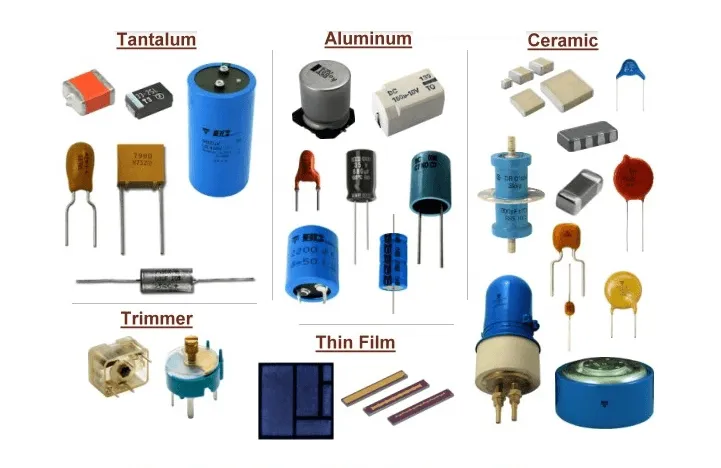
Capacitors are fundamental electronic components that store electrical energy in an electric field. They come in various types, each designed for specific applications. When looking to buy capacitors near me, understanding these distinctions is crucial for selecting the correct component for your repair or project. This section will explore the key types you're likely to encounter: AC capacitors, motor start capacitors, and run capacitors, and clarify their unique functions.
| Capacitor Type | Function | Application | Key Characteristics |
|---|---|---|---|
| AC Capacitor | Provides the necessary electrical charge to start and run motors in AC powered equipment, and improve power factor. | Air conditioners, refrigerators, HVAC systems, fans | Designed to withstand AC voltage, typically found in oval or cylindrical cans. |
| Motor Start Capacitor | Delivers a high initial surge of electrical power to start a motor. | Used in appliances and industrial equipment that need high starting torque, such as compressors and pumps | Short duration use, often have a higher microfarad (MFD) rating than run capacitors, not designed for continuous use |
| Run Capacitor | Maintains a continuous electrical supply to keep a motor running smoothly after it has started. | Used in applications where the motor operates continuously, such as fan motors and HVAC systems | Designed for continuous operation at specific voltage and MFD ratings, generally has lower MFD compared to starting capacitors. |
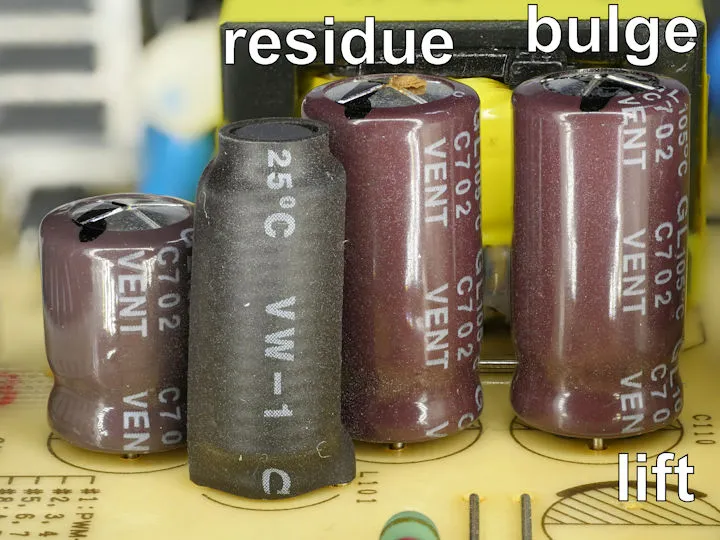
Accurately identifying the correct replacement capacitor is crucial for the safe and efficient operation of any electrical system. This process involves carefully examining the capacitor's label to determine its key specifications, such as capacitance (measured in microfarads, or MFD), voltage rating, and tolerance. These specifications ensure the new capacitor will perform as intended when you need to buy capacitors near me.
The process involves a careful examination of the existing capacitor's label and considering the electrical system's requirements. This process ensures that the replacement capacitor operates within the specified parameters.
| Characteristic | Description | Importance |
|---|---|---|
| Capacitance (MFD) | The amount of electrical charge the capacitor can store. | Must match the original capacitor's rating for proper circuit function. |
| Voltage Rating | The maximum voltage the capacitor can handle without failing. | The replacement capacitor's voltage rating must meet or exceed that of the original to prevent damage. |
| Tolerance | The allowable variation in the actual capacitance value. | A suitable tolerance is essential for reliable performance within the circuit. |
| Type | Indicates the type of capacitor, which affects its application and operational characteristics (e.g., AC capacitor, Motor start capacitor, Run capacitor). | Selecting the correct type is critical for compatibility. |
It is equally important to select a capacitor of the same type—whether it is a run capacitor, start capacitor, or AC capacitor—to align with the demands of the electrical circuit. Furthermore, physical dimensions and terminal configurations also need to match, and also physical size should fit properly in the equipment compartment.
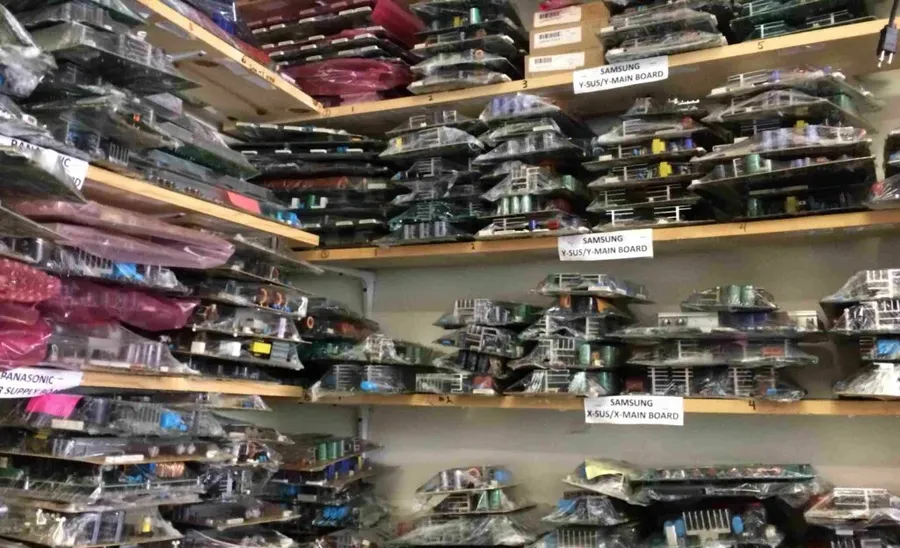
When searching to 'buy capacitors near me,' numerous retailers offer these essential components, each with distinct advantages. From local hardware stores to specialized online suppliers, this section provides an overview of where you can find the right capacitor for your needs.
The landscape of capacitor retailers includes a variety of options each offering unique benefits and drawbacks:
| Retailer Type | Advantages | Disadvantages | Typical Capacitor Types |
|---|---|---|---|
| Hardware Stores (Ace Hardware, Home Depot) | Immediate local pickup; Familiar store environment | Limited selection of specialized capacitors | HVAC Capacitors, Appliance Capacitors |
| Auto Parts Stores (NAPA) | Specialized motor start and run capacitors; Automotive focused | Less varied stock compared to hardware stores | Motor Start Capacitors, Run Capacitors |
| Online Suppliers (Lowes, Walmart, Ferguson) | Wide product range; Detailed specifications; Home delivery | Delivery times; No immediate pickup | All Types of Capacitors |
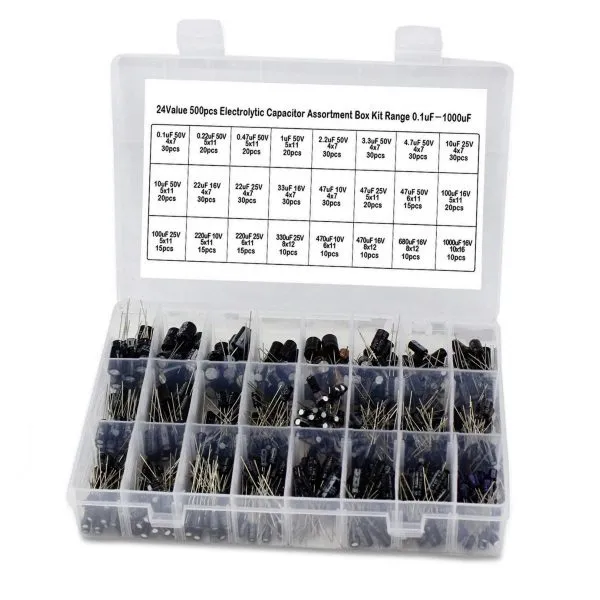
When you're looking to buy capacitors near you, the decision between online and local purchases involves a trade-off between convenience, speed, cost, and the urgency of your need. Local stores offer the advantage of immediate availability, while online retailers often provide a wider selection and competitive pricing. Understanding these differences will help you make an informed decision based on your specific circumstances.
| Feature | Online Purchase | Local Purchase |
|---|---|---|
| Speed | Delivery times vary, often 1-5 business days. Expedited options may be available for an additional cost. | Immediate availability; you can purchase and use the capacitor right away. |
| Cost | Generally lower due to reduced overhead and higher competition. Shipping costs may apply. Discounts and promotions may be available. | Potentially higher prices due to retail markups. Shipping costs do not apply. |
| Convenience | Shop from anywhere, anytime. Wide selection of brands and types available. Delivery is directly to your location, saving time and effort. | Requires travel to physical store locations during operating hours. Limited selection, specific to what the store carries. |
| Selection | Extensive options with a wide range of brands, specifications, and unique parts not readily available locally. | Limited to the inventory stocked in the store, which might be restricted to common types and brands. |
| Urgency | Suitable for planned repairs and projects with some flexibility in timelines. | Best for immediate needs or emergency replacements where waiting for shipping is not an option. |
| Returns | Often offer straightforward returns process, sometimes with return shipping costs. Review their specific return policy. | Easier and often immediate returns in store, saving on return shipping costs. |
| Expertise | Online retailers offer detailed information and specifications, but may not provide personalized advice. | Store staff may offer guidance but may not always have specialized knowledge for unique electronic needs. |
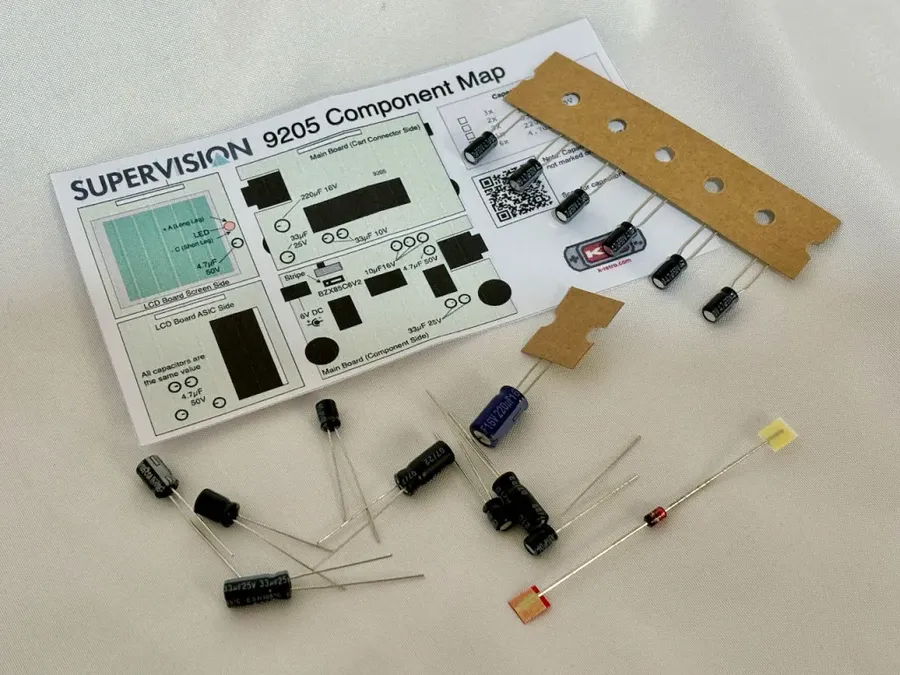
Replacing a capacitor can sometimes be a straightforward task suitable for DIYers, but it's crucial to understand when it's best to call a professional. Safety is paramount when dealing with electrical components, and this section guides you through assessing the risks and knowing when to seek expert assistance, especially when considering where to buy capacitors near me for your repairs.
When undertaking capacitor replacement, several questions frequently arise. This section addresses common queries related to capacitor costs, voltage compatibility, and operational limitations. We aim to provide clarity on these key concerns, ensuring safe and effective capacitor replacement.
Extending the lifespan of capacitors is crucial for maintaining the efficiency and reliability of electrical systems and appliances, and it reduces the frequency of needing to buy capacitors. By adopting preventative measures, you can significantly decrease the likelihood of premature capacitor failure, saving both time and money. Proper care ensures that these components perform optimally for as long as possible, mitigating the need for frequent replacements.
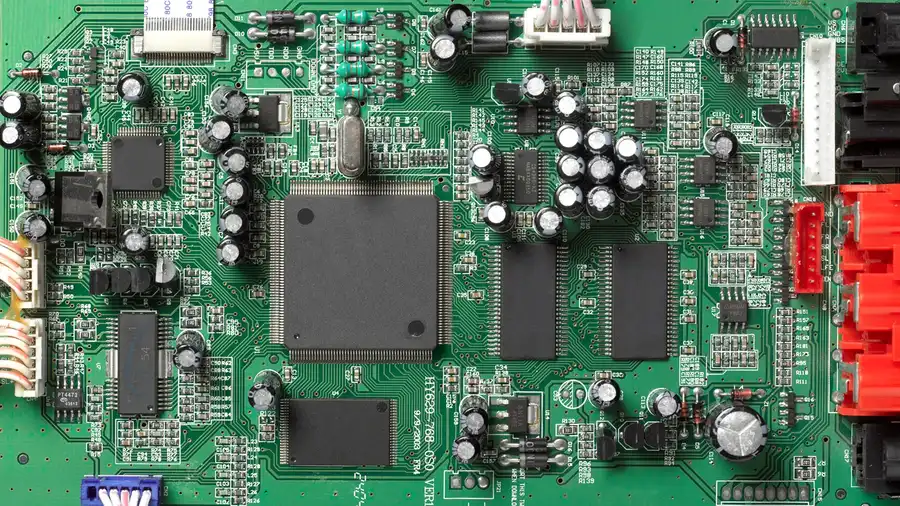
Capacitors are fundamental components in a wide array of DIY electronics projects, playing a crucial role in both simple and complex circuits. Their ability to store and release electrical energy makes them indispensable for filtering, smoothing, and timing applications within printed circuit boards (PCBs) and other electronic assemblies.
When starting a project requiring capacitors, it is essential to understand their specifications, including capacitance (measured in Farads, or more commonly, microfarads), voltage rating, and tolerance. Incorrect values or polarity can result in circuit malfunctions or damage. It's critical to choose capacitors that meet your projects’ requirements, using online resources and component datasheets for guidance, to ensure the optimal function and longevity of your electronic design.
This section provides a detailed comparison of different capacitor types, their typical applications, and key features. This table is designed to help you make an informed decision when purchasing capacitors, ensuring you select the right component for your specific needs. When you buy capacitors near me, referring to the detailed specifications below will help avoid common mistakes.
| Capacitor Type | Typical Applications | Capacitance Range (μF) | Voltage Rating (V) | Key Features | Common Brand Names |
|---|---|---|---|---|---|
| AC Capacitor | Air conditioners, HVAC systems, refrigeration units | 1 to 100 | 220-480 | High voltage, often dual-rated (run and start) | Mars, Genteq |
| Motor Start Capacitor | Starting electric motors (e.g., in pumps, compressors) | 20 to 500 | 110-330 | Short duty cycle, high starting torque | Packard, Dayton |
| Motor Run Capacitor | Maintaining motor operation | 1.5 to 100 | 250-450 | Continuous duty cycle, smoother operation | GE, Amana |
| Ceramic Capacitor | General-purpose use, decoupling, filtering | 1pF to 10μF | 50 - 1000 | Small size, cost-effective, non-polarized | Murata, TDK |
| Electrolytic Capacitor | Power supplies, filtering, buffering | 0.1μF to 1F | 6.3 - 500 | High capacitance, polarized, larger size | Nichicon, Panasonic |
| Film Capacitor | Audio equipment, high-frequency circuits | 1nF to 10μF | 50 - 2000 | High precision, low loss, non-polarized | WIMA, Vishay |
Capacitors are often underestimated, yet they are critical for many applications. By understanding the types of capacitors and where to buy capacitors near me, you can confidently maintain or repair your devices. Whether you’re a DIY enthusiast or need a quick fix for your home appliance, knowing the specifics of capacitors and where to purchase them is key to success. Remember to prioritize safety, and when in doubt, seek professional help. Always source reliable capacitors to ensure optimal performance and longevity. The right capacitor, purchased from the right place, will keep your equipment running smoothly for years to come. And when you do find yourself needing to buy capacitors near me, you'll be prepared with this comprehensive guide.

