From powering your smartphone to controlling complex machinery, printed circuit boards (PCBs) are the unsung heroes of modern technology. But how much does a PCB board cost? The price isn't a simple figure, fluctuating based on numerous factors. This guide delves into the intricacies of PCB pricing, exploring everything from material costs to manufacturing processes, empowering you to make informed decisions and secure the most cost-effective solutions for your projects. Just like the complex web of connections on a PCB, the price also has many different components that we are about to explore.
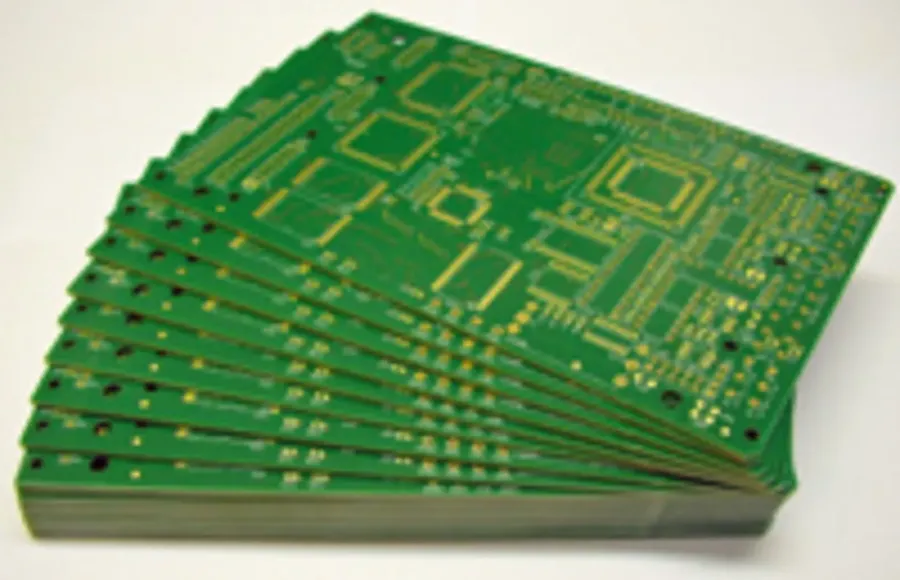
Understanding the cost drivers behind PCB (Printed Circuit Board) manufacturing is crucial for budget planning and design optimization. Several key factors significantly influence the final price of a PCB, including the materials used, the complexity of the design, and the manufacturing processes involved.
These factors can be broadly categorized and are detailed below:
| Factor | Impact on Cost | Cost Implications |
|---|---|---|
| FR-4 | Low | Common, cost-effective material. |
| Aluminum | Medium | Higher cost due to thermal properties. |
| High-Frequency Laminates | High | Specialized material for high-frequency applications. |
| Single-Layer | Lowest | Simplest PCB design. |
| Multi-Layer | High | Complex design with multiple layers. |
| HASL | Low | Cost-effective standard. |
| ENIG | High | Gold plating enhances reliability and performance. |
| Large board size | Higher | Increase in material and process costs. |
| Small batch (prototype) | Higher per unit | Higher setup costs distributed across fewer units |
| Large batch (mass production) | Lower per unit | Economies of scale reduce cost per unit. |
Each of these elements contributes in varying degrees to the total cost. By carefully considering these factors during the design phase, engineers can significantly control costs while ensuring that performance requirements are met. It is important to note that the overall pcb board price may also be affected by the manufacturer selected, location, and other logistical factors.
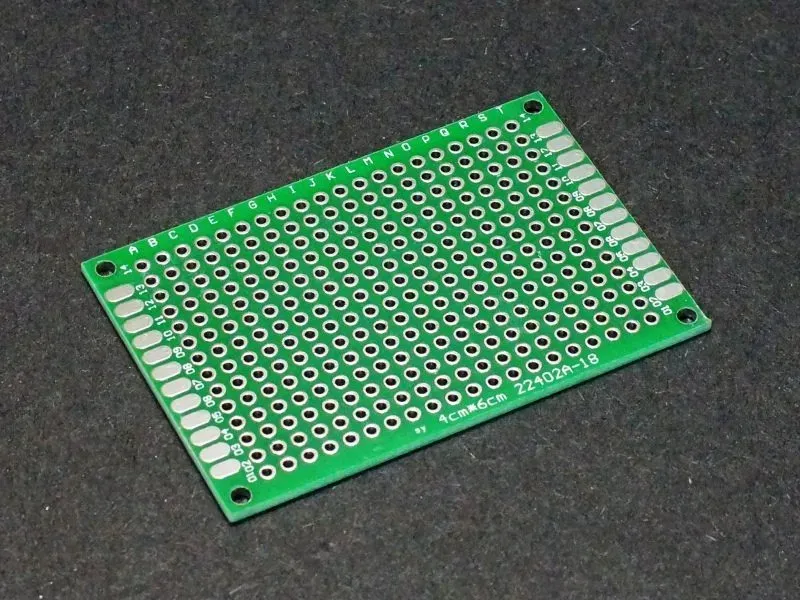
The cost of manufacturing Printed Circuit Boards (PCBs) varies significantly depending on whether you're producing prototypes or engaging in mass production. Understanding these cost differences is crucial for effective budgeting and scaling strategies. Prototype runs typically incur higher per-unit costs due to setup fees and smaller order volumes, while mass production benefits from economies of scale, drastically reducing the per-unit price.
| Factor | Prototype Production | Mass Production |
|---|---|---|
| Setup Costs | High (fixed cost per run) | Lower (amortized over large volumes) |
| Per-Unit Cost | High | Low |
| Lead Time | Shorter (sometimes faster turn around) | Longer (due to production volume) |
| Volume | Small Batches (often <100) | Large Volumes (hundreds to thousands or more) |
| Tooling | Higher relative cost per unit | Lower relative cost per unit |
| Suitability | Testing and Design Verification | Large-scale Market Deployment |
In prototype production, the initial investment covers tooling setup, programming of machinery, and smaller material orders, which results in a higher per-unit cost. These costs are often fixed, regardless of whether you produce ten or a hundred boards. Conversely, mass production spreads these initial costs across thousands of units, drastically lowering the per-unit price. This is due to several factors, including volume discounts on materials, streamlined manufacturing processes, and optimized resource utilization.
The transition from prototype to mass production is not merely about increased quantity; it involves a change in production methodology. Prototypes may use more manual processes for flexibility, while mass production is heavily automated for efficiency and consistency. The sweet spot for scaling from prototype to mass production is reached when the per-unit cost reduction from volume outweighs the initial scaling costs. This point needs to be carefully evaluated, taking into account projected demand and inventory management.
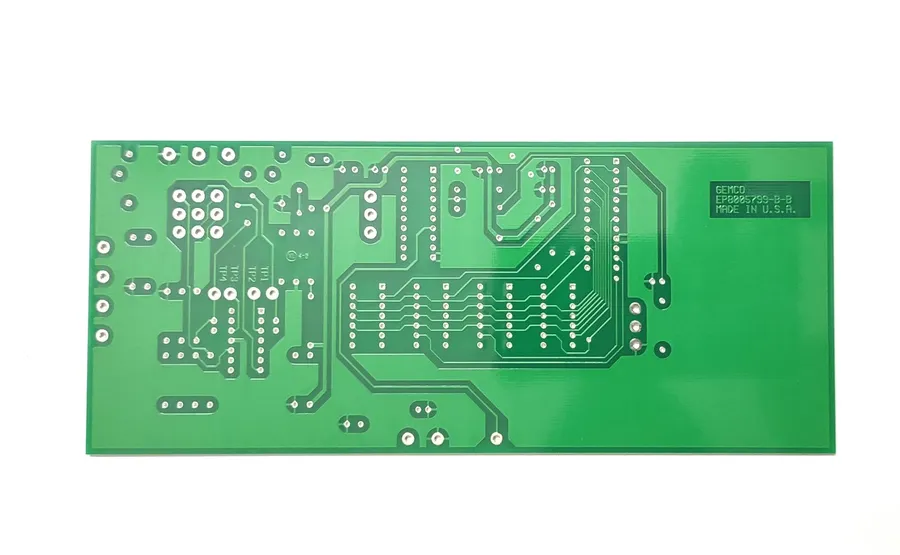
The number of layers in a Printed Circuit Board (PCB) is a primary determinant of its cost. As the layer count increases, so does the complexity of the manufacturing process, directly translating to higher prices. This section explores how single-layer, double-layer, and multi-layer PCBs differ in cost and application.
| PCB Type | Description | Typical Applications | Cost Factor |
|---|---|---|---|
| Single-Layer PCB | One layer of conductive material on one side of the substrate. | Simple electronics, toys, single-sided sensors. | Lowest Cost |
| Double-Layer PCB | Two layers of conductive material on both sides of the substrate. | Power supplies, basic circuits, simple communication systems. | Moderate Cost |
| Multi-Layer PCB | Three or more layers of conductive material. | Complex electronics, high speed data transmission, networking devices, medical equipment, aerospace and defense applications. | Highest Cost |
The escalation in cost with increased layers is due to several factors, including:
Choosing the correct layer count is vital for both functionality and cost-effectiveness. While single-layer PCBs are ideal for basic projects, more complicated applications demand a higher layer count which has cost implications. Designers must carefully evaluate their needs to choose the most effective solution.
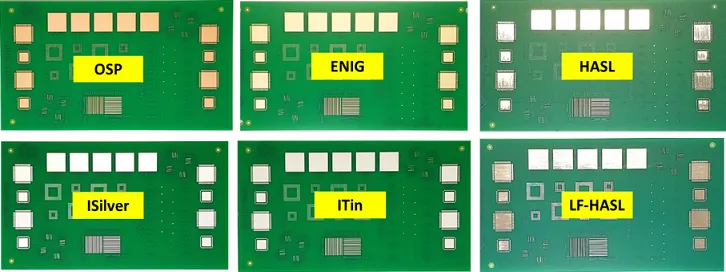
The surface finish of a printed circuit board (PCB) is a crucial factor influencing its performance, reliability, and, importantly, its cost. The finish protects the copper circuitry from oxidation and corrosion, ensuring solderability and electrical conductivity. Different finishes offer varying degrees of protection, have different manufacturing processes, and, therefore, different price points. Selecting the appropriate finish requires a careful evaluation of performance requirements against cost considerations.
| Surface Finish | Description | Cost | Advantages | Disadvantages | Typical Applications |
|---|---|---|---|---|---|
| HASL (Hot Air Solder Leveling) | A molten solder is applied to the board and then leveled off with hot air. | Low | Low cost, widely available, good solderability | Not suitable for fine-pitch components, uneven surface | General purpose PCBs |
| ENIG (Electroless Nickel Immersion Gold) | A thin layer of nickel is deposited followed by a thin layer of gold. | High | Excellent solderability, good for fine-pitch components, good corrosion resistance | More expensive, risk of black pad | High reliability, complex PCBs, wire bonding |
| Immersion Silver | A thin layer of silver is applied to the copper. | Medium | Good solderability, good for fine-pitch components, RoHS compliant | Can tarnish, susceptible to scratches | High-frequency applications, LEDs |
| Immersion Tin | A thin layer of tin is applied to the copper. | Medium | Good solderability, cost effective, RoHS compliant | Can grow whiskers, not as durable as ENIG | General purpose, cost-sensitive projects |
| OSP (Organic Solderability Preservative) | A thin layer of organic material is applied to the copper. | Low | Very flat surface, cost effective, RoHS compliant | Short shelf life, sensitive to handling and multiple reflow | Cost-sensitive applications with a short shelf life |
The cost of each finish is dictated by the materials and processes involved in their application. HASL is generally the most cost-effective, while ENIG tends to be the most expensive. Immersion Silver, Immersion Tin and OSP fall in between. When considering the cost implications, it's essential to also factor in the expected lifespan and performance requirements of the PCB.
Choosing the right surface finish requires a trade-off between performance, cost, and application requirements. For standard, low-cost applications, HASL might suffice, while for high-reliability electronics with fine-pitch components, ENIG is a more appropriate choice. Understanding these trade-offs is crucial in controlling overall PCB board costs.
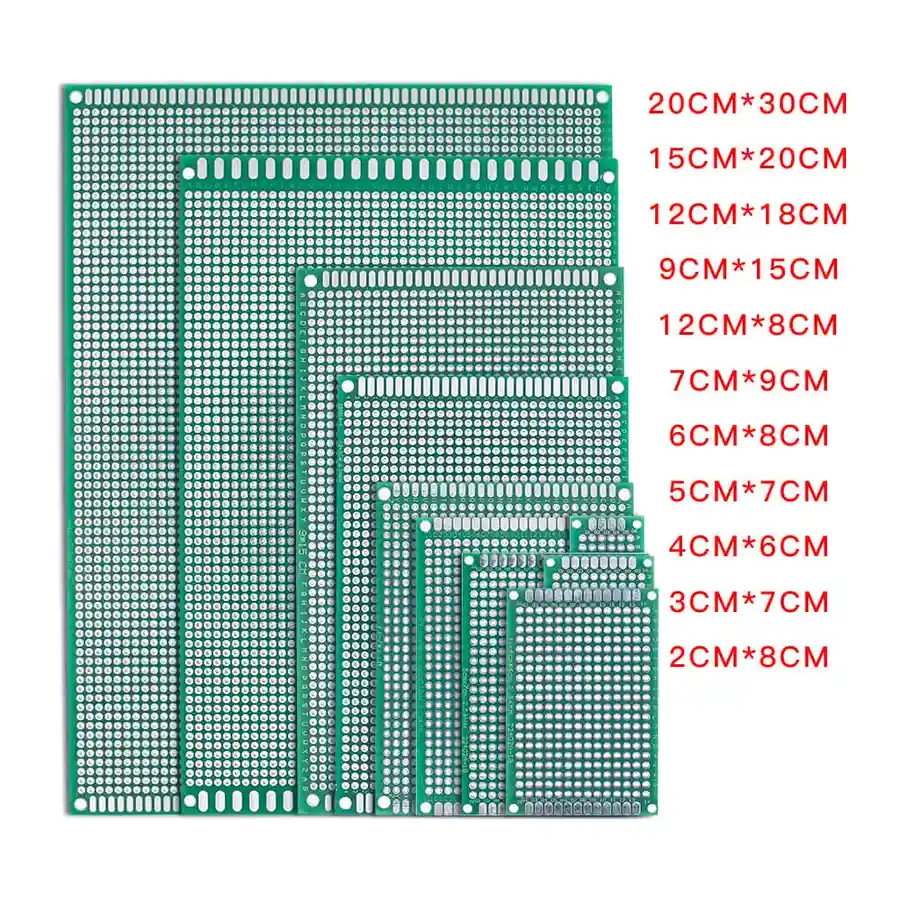
The physical dimensions and intricate design of a Printed Circuit Board (PCB) significantly influence its manufacturing cost. Larger boards, increased thickness, and higher design complexity each drive up expenses due to material usage, processing time, and fabrication challenges.
| Factor | Impact on Cost | Considerations |
|---|---|---|
| Board Size | Directly proportional; larger boards require more material and processing time. | Optimize board size to the minimum required for functionality; consider panelization for mass production. |
| Board Thickness | Increased thickness adds material and can require specialized equipment and processes. | Select appropriate thickness based on impedance and structural requirements, avoiding unnecessary thickness. |
| Board Complexity (e.g., trace density, via count, component density) | Higher complexity leads to increased fabrication steps, finer tolerances, and higher defect probability. | Simplify the design as much as possible; consider standard layout practices and avoid unnecessary complexity. |
Let's explore each of these factors in more detail:
Design considerations play a key role in managing costs related to size, thickness, and complexity. By optimizing the layout, utilizing standard components, and minimizing unnecessary features, you can significantly reduce the overall manufacturing expenses.
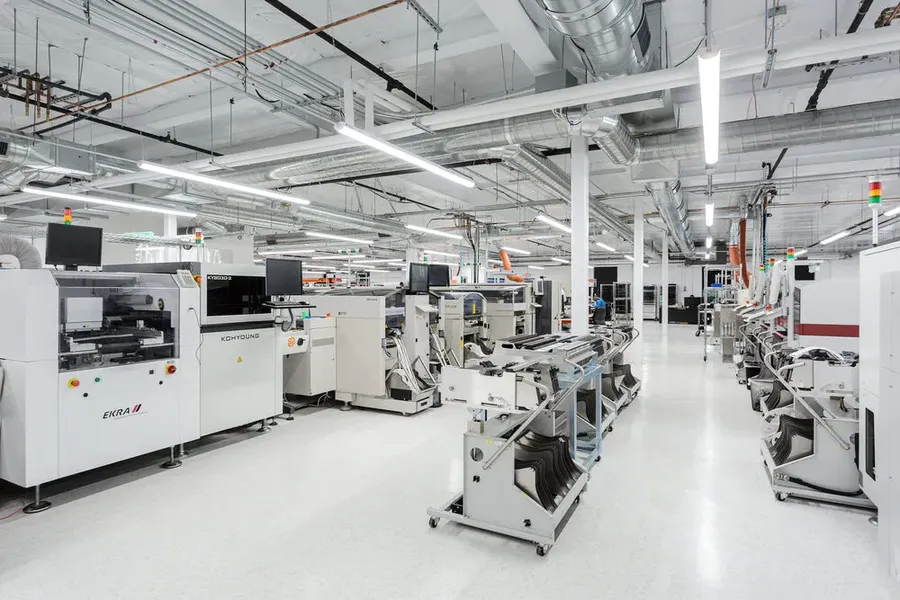
The cost of manufacturing printed circuit boards (PCBs) can vary significantly based on geographic location, primarily between the United States and China. These variations are driven by differences in labor costs, material sourcing, manufacturing infrastructure, and regulatory environments. Understanding these differences is critical for optimizing PCB procurement strategies.
| Factor | United States | China |
|---|---|---|
| Labor Costs | Significantly higher | Substantially lower |
| Material Costs | Potentially higher due to domestic sourcing | Lower due to large-scale local production and sourcing |
| Manufacturing Infrastructure | Advanced, high precision, and stringent quality control processes | Varying levels of capabilities, from basic to highly advanced facilities |
| Quality Standards | Generally stringent, compliant with international standards and regulations | Highly variable. Can range from low quality to equivalent or exceeding US quality. |
| Lead Times | Potentially shorter for domestic projects, but depends on specific manufacturer and project complexity | Potentially longer due to shipping but often with higher capacity |
| Communication | Generally easier with domestic manufacturers due to timezone, language and cultural compatibility. | Potentially more challenging due to language barriers, time zone differences, and cultural nuances. |
| Cost | Typically higher overall for comparable PCB specifications. | Typically lower overall for comparable PCB specifications. |
| Intellectual Property Protection | Strong legal framework | Variable level of protection and enforcement |
When comparing the US and China, it's important to consider that, while Chinese manufacturers often offer lower prices, this can come with varying quality standards and longer lead times (including potential shipping delays). US manufacturers, on the other hand, may offer higher quality and faster turnaround, but at a premium cost. The key to optimizing cost involves balancing price, quality, and lead time based on the specific requirements of the project.
The choice between US and Chinese manufacturers should be determined by evaluating the specific needs of the project. For high-reliability applications with stringent quality requirements and faster turnarounds, a US-based manufacturer may be preferable. For cost-sensitive projects with less demanding quality needs, and where larger volumes are required, a Chinese manufacturer can be a good option, provided that appropriate due diligence is conducted and quality checks are implemented.
Understanding the cost of printed circuit boards (PCBs) is crucial for both design and manufacturing. This section addresses common questions regarding PCB board prices, offering clarity and practical insights.
Optimizing PCB board prices requires a strategic approach encompassing design choices, supplier selection, and an understanding of market dynamics. By implementing these actionable tips, you can significantly reduce costs without sacrificing the quality or performance of your printed circuit boards.
| Optimization Area | Actionable Tip | Potential Cost Impact |
|---|---|---|
| Design | Simplify design, reduce layers/size | Significant reduction in material/manufacturing costs |
| Component Selection | Use standard, readily available components | Reduction in component prices and sourcing costs |
| Sourcing | Compare multiple quotes, consider geographic options | Competitive pricing and favorable terms can be achieved |
| Production Volume | Leverage volume discounts, plan for larger runs | Lower per-unit costs due to economies of scale |
| Panelization | Panelize smaller boards | Improved material utilization and reduced processing time |
| Material | Choose materials based on application requirement | Savings on cost by not over specifying the material |
| Surface Finish | Select appropriate finish (e.g., HASL) | Cost reduction by utilizing a lower cost, functional finish |
| Layer Count | Minimize layers in design | Significant reduction in material and fabrication costs |
| Layout Efficiency | Optimize the PCB layout | Improved fabrication yield and reduced material wastage |
| Manufacturer Communication | Engage early with PCB manufacturers | Early identification of DFM issues can prevent future expenses |
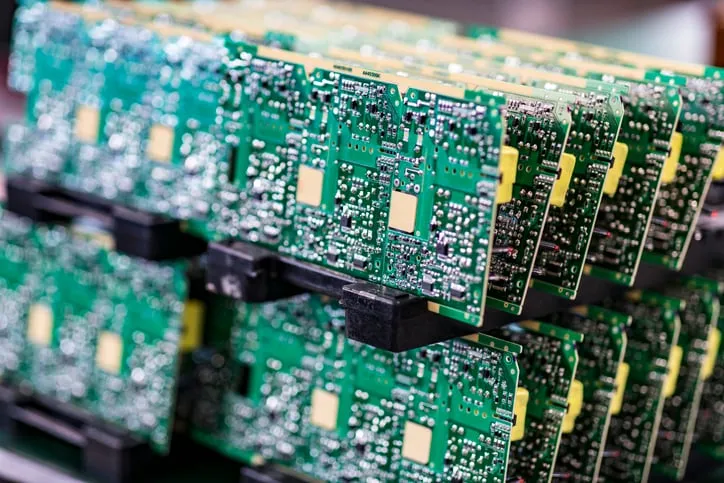
Selecting the right PCB manufacturer is crucial for ensuring the quality, reliability, and cost-effectiveness of your printed circuit boards. Beyond just the quoted price, several factors should be carefully considered to optimize your project's success. This section guides you through the key considerations and the process of obtaining accurate quotes.
Following these considerations, getting accurate quotes is a vital step in selecting the appropriate manufacturer.
Ultimately, choosing the right PCB manufacturer is not solely about finding the lowest price; it's about finding a partner that can consistently meet your project's specific needs, quality standards, and deadlines. A focus on the factors discussed above along with getting clear, well defined quotes is critical to ensuring a seamless and cost-effective process.
Navigating the complexities of PCB board price requires understanding the numerous factors that influence cost. From the material composition and layer counts to the geographic location of the manufacturer, each element plays a crucial role in determining the final price. By leveraging the insights provided here and carefully considering your project's specific requirements, you can make informed decisions that will optimize your cost, find a great pcb board price, and enhance the overall efficiency of your production process. Remember to continuously evaluate your options and seek expert advice to stay ahead in this dynamic field.

