In our interconnected world, electronics have become indispensable, shaping our daily routines and work lives. From the smartphones we rely on for communication, often priced between $200 and $1500, to the laptops that enable productivity, typically ranging from $300 to over $2000, and smart TVs that entertain, ranging from $150 to upwards of $3000, electronic devices play a crucial role. This guide explores the vast landscape of electronic items with price, helping you navigate your options and make informed purchases. Let's dive into this essential aspect of modern life, unlocking the power of technology with transparent pricing.
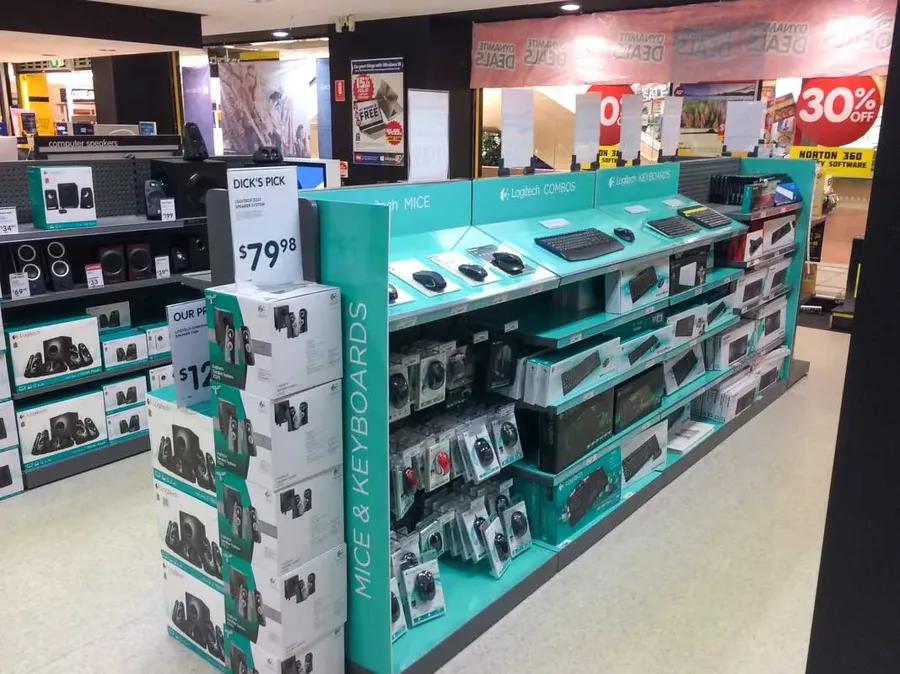
The modern electronics market encompasses a vast array of products, broadly categorized into consumer electronics, home appliances, and computer hardware. This section provides a foundational understanding of these categories, outlining the types of electronic goods available and their typical applications.
Consumer electronics are primarily focused on entertainment, communication, and personal use. This category includes devices like televisions, smartphones, audio equipment, and wearables. Home appliances, on the other hand, are designed to simplify household tasks and enhance convenience, featuring items such as refrigerators, washing machines, and ovens. The third major category, computer hardware, revolves around computing devices and their peripherals, including laptops, desktops, monitors, and printers. Each category serves distinct needs and boasts a wide range of products with varying features and price points.
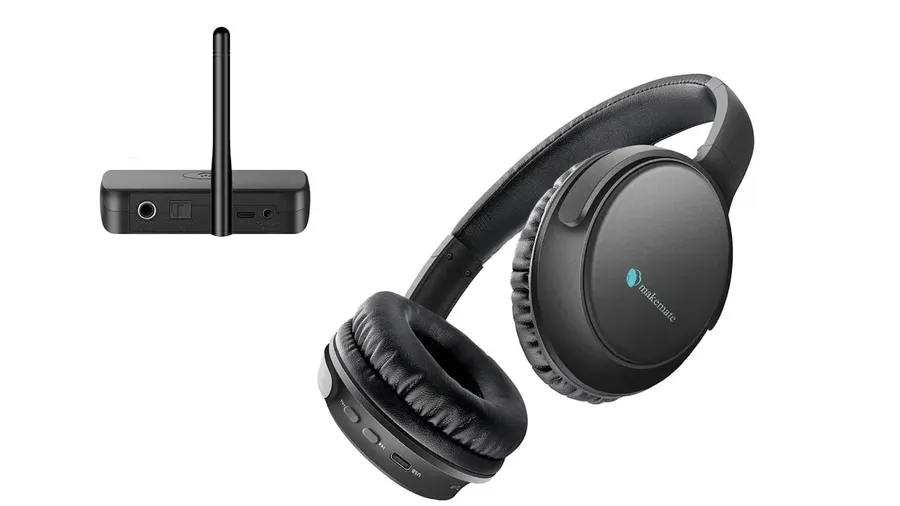
Consumer electronics form the core of our modern entertainment and communication systems. This category encompasses a wide range of devices designed for personal enjoyment, connectivity, and information access. Understanding the options within this space—from smart TVs to audio equipment—is essential for making informed purchase decisions, particularly given the broad spectrum of features and price points.
| Product Category | Price Range | Key Features | Typical Use Cases |
|---|---|---|---|
| Smart TVs | $150 - $3000+ | 4K/8K resolution, HDR, Smart TV OS, various screen sizes | Home entertainment, streaming, gaming |
| Smartphones | $200 - $1500 | Advanced cameras, high-resolution displays, mobile computing, cellular connectivity | Communication, media consumption, mobile productivity |
| Headphones | $20 - $500 | Wired/wireless, noise cancellation, various form factors (in-ear, on-ear, over-ear) | Listening to audio, communication, personal audio |
| Audio Equipment (Speakers, Soundbars, etc.) | $50 - $2000+ | Stereo/surround sound, Bluetooth connectivity, various form factors | Audio playback, home entertainment |
Smart TVs offer a diverse range of options with prices influenced by screen size, resolution, panel type (LED, OLED, QLED), and smart features. Entry-level models are typically 32-43 inches, with basic smart functionality, whereas high-end models exceed 65 inches, include advanced features like 4K or 8K resolution, and support HDR.
Smartphones are categorized by price based on processor speed, camera quality, storage capacity, and display features. Budget-friendly options focus on core functionalities, while premium models are equipped with state-of-the-art technology, including high-resolution displays, advanced camera systems, and fast processors.
Headphones and audio equipment have a broad price range depending on audio quality, build quality, and features like noise cancellation. Headphones vary in style from in-ear earbuds to over-ear headsets, while audio systems include various speakers, soundbars, and home theater setups.
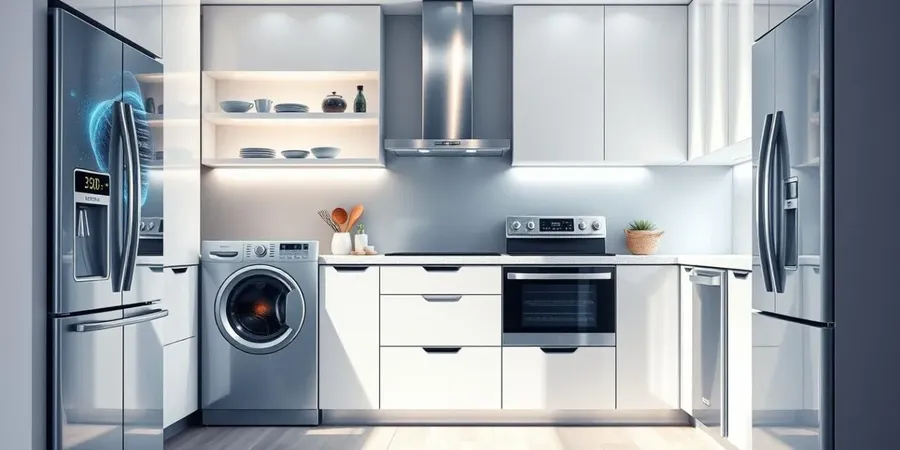
The realm of home appliances extends far beyond mere functionality; it now encompasses smart technologies designed to enhance convenience, efficiency, and overall quality of life. This section explores a variety of modern home appliances, focusing on their features, price ranges, and the benefits of smart home integration.
The home appliance market is rapidly evolving, with innovative features and technologies driving demand. This evolution not only brings increased convenience but also contributes to energy efficiency and cost savings in the long term. Below, we delve into specific categories with indicative price ranges to guide your purchasing decisions.
| Appliance Category | Description | Typical Price Range | Smart Features |
|---|---|---|---|
| Refrigerators | Essential for food storage, available in various sizes and configurations. | $500 - $3000+ | Smart connectivity, temperature control, inventory management, door-in-door designs. |
| Washing Machines | Automated cleaning of clothes with various cycles and load capacities. | $300 - $1500 | Smart wash cycles, remote control, automated detergent dispensing, error diagnostics. |
| Ovens | Used for cooking and baking with varied heating methods. | $200 - $2000+ | Smart controls, pre-programmed cooking modes, remote operation, internal cameras. |
| Dishwashers | Automated cleaning of dishes with various cycle options. | $300 - $1800 | Smart wash cycles, leak detection, remote control, energy efficiency modes. |
| Small Kitchen Appliances | Includes microwaves, coffee machines, blenders, and more. | $50 - $500+ | Smart connectivity, programmable functions, voice control. |
These price ranges are indicative and can fluctuate based on brand, features, and market conditions. High-end models frequently incorporate advanced technologies and smart integrations, while entry-level models offer basic functionality at a lower cost. Smart features, such as Wi-Fi connectivity and voice control, are becoming increasingly prevalent across appliance categories, providing seamless integration into modern smart homes.
Purchasing decisions should be made considering individual requirements, budget limitations, and the overall desire for smart home integration. Investing in modern, smart home appliances can lead to enhanced convenience, time-saving, and ultimately, a more comfortable and efficient living environment.
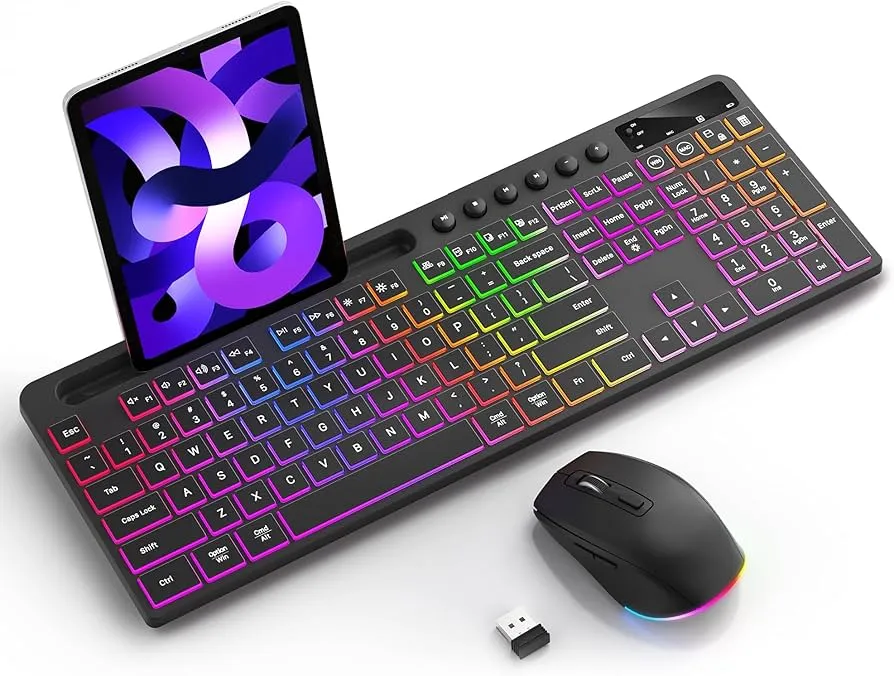
The realm of computing and accessories is vast, encompassing devices essential for both work and leisure. This section provides a comprehensive overview of computer equipment, including laptops, desktops, monitors, and peripherals like printers, and examines the key factors influencing their price.
| Category | Price Range | Key Factors Affecting Price | Typical Use Case |
|---|---|---|---|
| Laptops | $300 to $2000+ | Processor (CPU), RAM, Storage (SSD/HDD), Display Quality, Graphics Card, Brand | Portable computing, work, school, personal use |
| Desktops | $400 to $3000+ | Processor (CPU), RAM, Storage (SSD/HDD), Graphics Card, Case, Motherboard, Power Supply | Work, gaming, content creation, heavy processing tasks |
| Monitors | $100 to $1500+ | Resolution, Panel Type (IPS, TN, VA), Refresh Rate, Size, Response Time, Color Accuracy | Visual display for computers, gaming, graphic design |
| Printers | $50 to $500+ | Type (Inkjet, Laser), Print Speed, Print Quality, Features (Wireless, Duplex), Ink Cost | Document printing, photo printing, home and office use |
| Accessories (Keyboards, Mice) | $20 to $300+ | Type (Mechanical, Membrane), Ergonomics, Wireless/Wired, Features (Programmable keys, DPI) | User interface for computers |
Understanding these parameters will enable you to navigate the market and make choices that best fit your specific needs and budget.
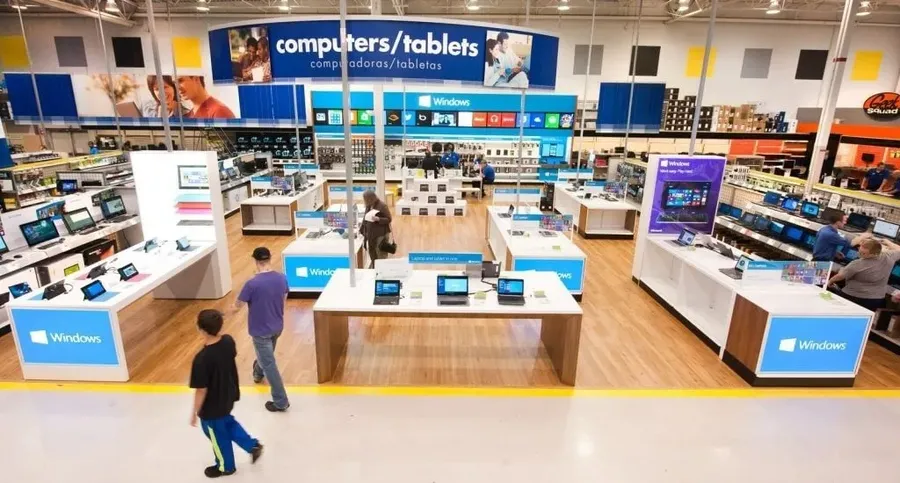
The decision of where to purchase electronic items, whether online or in physical stores, involves weighing factors like convenience, pricing strategies, and customer service. Both options offer distinct advantages and disadvantages that cater to different consumer preferences and needs. This section will explore these differences, specifically focusing on major retailers like Amazon, Best Buy, and Walmart, to provide a comprehensive guide for making informed purchasing decisions.
| Feature | Online Stores (e.g., Amazon) | Brick-and-Mortar Stores (e.g., Best Buy, Walmart) |
|---|---|---|
| Convenience | 24/7 access, shop from anywhere, direct delivery to your door | Limited hours, require physical travel, immediate product availability |
| Pricing | Often competitive, frequent sales and discounts, easy price comparison tools | May have higher prices, potential for in-store discounts, price matching often available |
| Customer Service | Primarily online or phone support, may require shipping items back for returns, customer reviews readily available | Face-to-face interactions, immediate assistance with problems, potential for on-the-spot replacements |
| Product Experience | Reliance on product images and descriptions, customer reviews crucial, less hands-on experience before purchase | Opportunity to physically examine products before buying, ability to test features or demo items, immediate gratification |
| Returns and Warranties | Return policies may vary, often require shipping products back, specific procedures to follow | Easier return process in many instances, less shipping concerns, in-person assistance available |
Navigating the world of electronic item pricing requires a strategic approach to ensure you're getting the best possible value. This section provides practical tips and tools for comparing prices across retailers, identifying discounts, and understanding the crucial aspects of warranties and return policies, empowering you to make informed purchasing decisions.
Navigating the world of electronics requires an understanding of key specifications and features that directly impact both price and utility. This section provides a practical guide to help you identify what’s most important based on your needs, ensuring you make informed purchasing decisions.
Below are some key specifications you should consider when evaluating different electronic devices:
| Feature | Impact on Price | Impact on Utility |
|---|---|---|
| High-Resolution Screen | Increases price | Provides sharper images and more detail |
| Fast Processor | Increases price | Enables quicker processing and faster performance |
| Large RAM | Increases price | Enhances multitasking capabilities |
| Large Storage Capacity | Increases price | Allows for more data, apps, or media |
| Advanced Camera Sensors | Increases price | Improves image quality and low-light performance |
| Energy Efficiency | May have higher initial price | Reduces long-term energy costs |
Understanding these specifications will empower you to select electronic items that best align with your needs and budget. Always check product reviews and comparisons for deeper insights before making a purchase decision.
This section addresses common questions and concerns users have when purchasing electronic items, focusing on pricing, popular products, deals, and policies to assist in informed decision-making.
From smartphones ($200-$1500) that keep us connected to laptops ($300-$2000+) that boost our productivity, and smart TVs ($150-$3000+) that deliver entertainment, electronic items with price are integral to modern living. Navigating this vast landscape requires understanding the different categories, price points, and where to find the best deals. Whether you’re shopping online or in-store, this comprehensive guide has equipped you to find exactly what you need with transparent pricing. Remember, staying informed and comparing your options ensures you get the best value for your money in this essential part of our lives.

